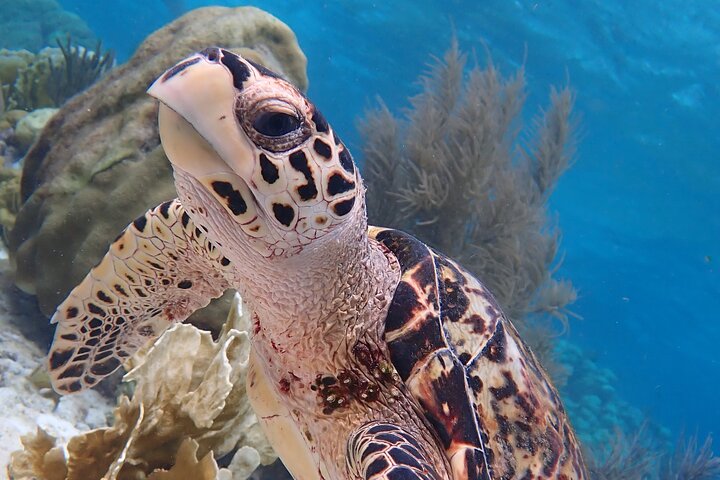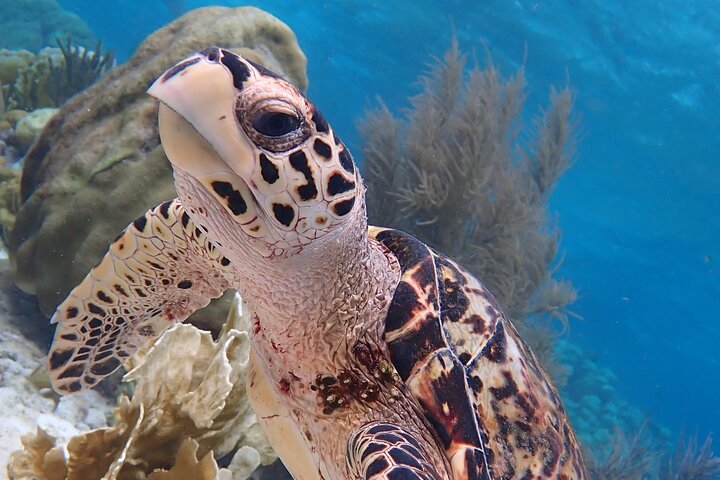
The reef changes character when the sun goes down. Fish that were active all day settle into crevices to sleep, and a different cast of nocturnal animals comes out to feed, from crabs and shrimp to octopus and, in some places, squid. This guided night snorkel gives you a chance to see that shift from the surface, with a waterproof torch or dive light in hand and a guide leading the group over the reef. The outing runs for roughly two hours and has a very strong review record, with a high rating across dozens of reviews. Bonaire is well suited to night snorkeling because the water is warm, calm on the leeward side and often very clear, and because the shore reefs are easy to enter. Operators also point out the faint glow that tiny marine organisms can produce when the water is disturbed, which is a memorable sight on a dark evening, although how visible it is depends on the moon, the season and the conditions on the night. A briefing before you enter the water covers light handling, buddy checks and reef etiquette.
Why it works
Nothing else on the island feels quite like it. In the beam of your light, colors that the water filters out during the day suddenly come back, and corals look richer and sleeping parrotfish wrap themselves in a mucus cocoon at night, which guides love to show. The group stays close, the guide controls the pace and the darkness makes the whole thing feel like an adventure rather than a routine swim.
Who it suits
Confident swimmers who are comfortable in the water in low light. It is not a good first-ever snorkel, because the dark can be unsettling if you are new to the activity. If you are nervous, start with a daytime trip such as the Double Dip or Klein Bonaire outings and try the night version later in your stay. Check age and ability requirements with the operator, and ask what lighting is provided.
Practical points
The marine park nature fee applies to water users and photo ID is usually requested. Bring a towel, a warm layer for afterward and a dry change of clothes, since the breeze can feel cool once you are out of the water. Do not use flash photography underwater and keep your light off the eyes of animals.
Nights with no moon are often best for seeing the faint glow, while bright moonlit nights give better general visibility, so ask the guide what to expect on your date. A night snorkel pairs naturally with a late dinner in Kralendijk, and a quiet morning the next day keeps the pace of your trip relaxed.
Good to know
Arrive before dusk so you can use the last light to get comfortable with the entry point and to put on your mask. If you wear glasses, a prescription mask is worth packing. Keep your buoyancy gentle and avoid resting your hands on the reef, since at night it is harder to see where you are. Warm drinks after the swim help, and a light long-sleeved top keeps the evening breeze off your skin.
What to expect
The experience
A guided after-dark snorkel over the reef with lights, a briefing and a guide leading the group.
Best time
Evening, after sunset; ask the guide how the moon phase affects what you will see.
How long
About two hours including the briefing.
Tips
Bring a towel and a warm layer, avoid flash photography and keep your light away from animals.
Quick picks
- Best for
- Confident swimmers who want to see nocturnal reef life.
- Families
- Best for teenagers and adults who are comfortable in the water; check minimum age.
- Couples
- A memorable shared adventure before a late dinner.
- Pair with
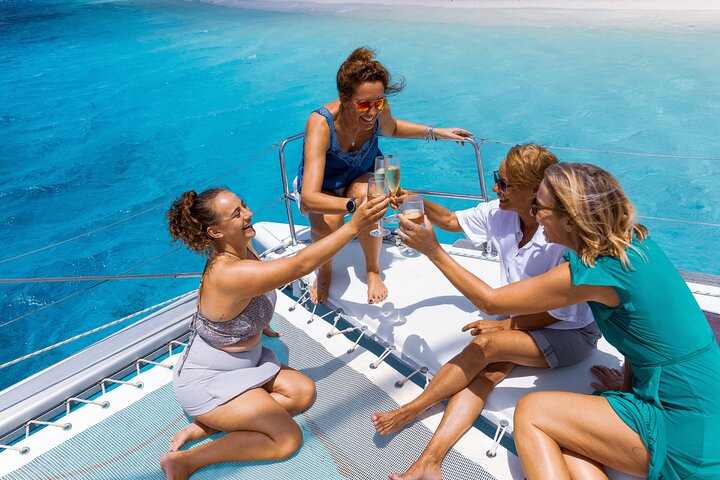
- A relaxed day, a morning of shore snorkeling or a sunset sail earlier in the evening.
- Time needed
- Allow about three hours in the evening including check-in and drying off.
Good questions
Is night snorkeling safe?+
It is run with a guide, a briefing and lights, and the leeward water is usually calm. You should still be a confident swimmer and follow the guide at all times.
Will I see the glowing water?+
Sometimes. The faint glow depends on the moon, the season and conditions on the night, so ask the operator what to expect.
Do I need to bring a light?+
Operators normally supply lights, but confirm when you book and ask whether you should bring a backup.
Is the marine park fee included?+
Check the option you choose. The nature fee applies to water users, and photo ID is usually requested.
What animals might I see?+
Crabs, shrimp, octopus, sleeping fish and coral that looks different in torchlight. Sightings are never guaranteed.