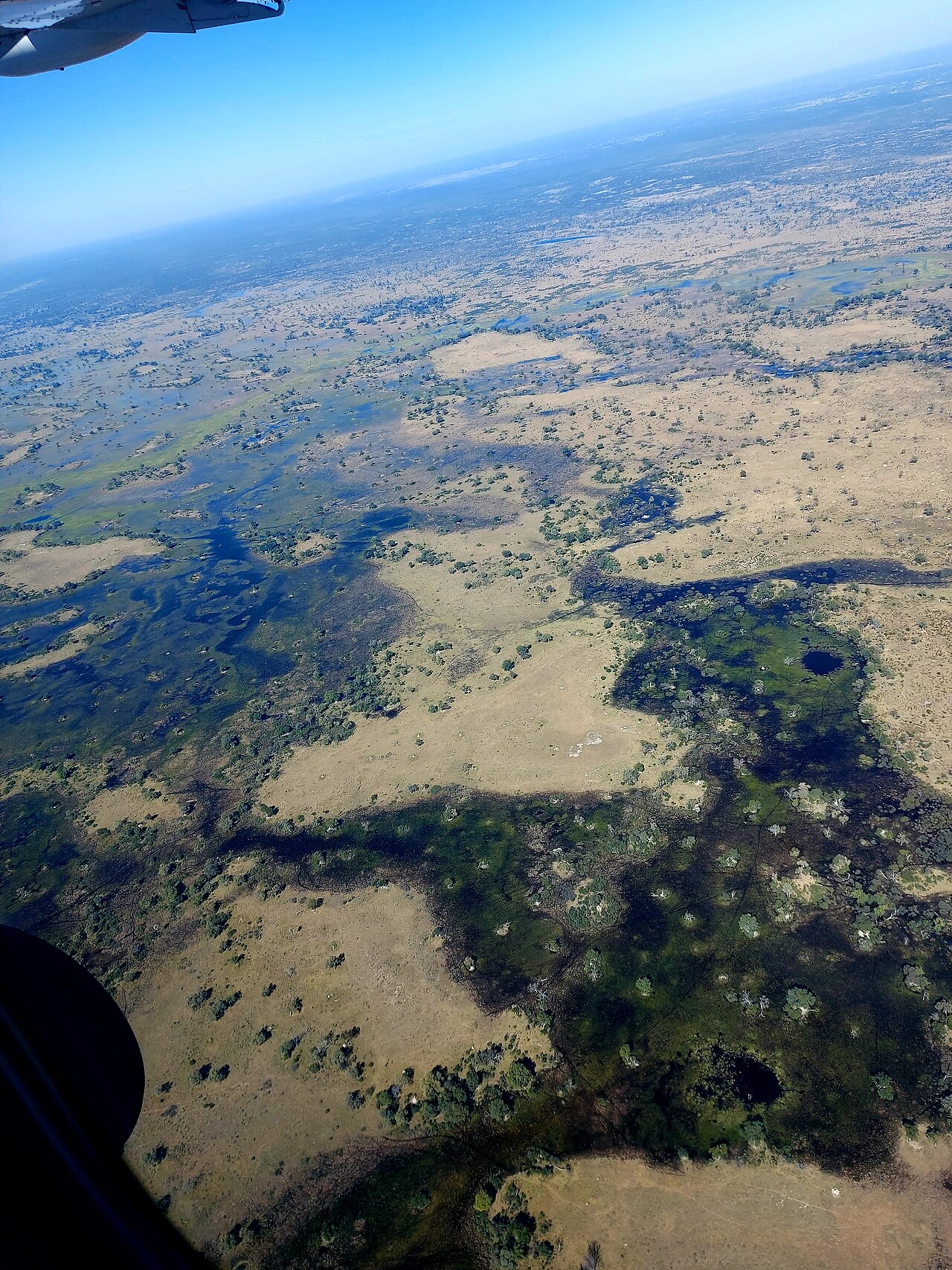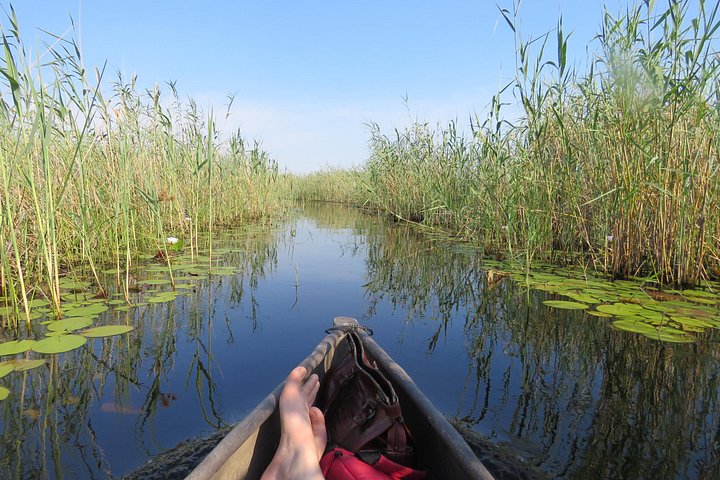
Most visitors meet Chobe National Park at the riverfront near Kasane, but the park keeps its wilder face inland, and Savuti is the heart of it. According to the Botswana Tourism Organisation, Savuti lies at the centre of Chobe National Park and holds most of the species found in the wider Chobe region, with the exception of the water-loving antelope. It is best known for resident lion, cheetah and spotted hyena, and for the drama that comes with them. The landscape is just as unusual as the wildlife. The Savuti channel runs for roughly a hundred kilometres from the Linyanti River to the Savuti Marsh and on towards the Mababe Depression, which was once part of the great Makgadikgadi super-lake. The channel has dried up and started to flow again several times over the last century, and trees that grew during the dry years drowned when the water returned, leaving ghostly dead trunks along the banks. Further north, the Linyanti, Kwando and Selinda concessions form a mosaic of papyrus, lagoons, reedbeds and tall riverine forest between Chobe and the Okavango. These areas are run as private concessions with small camps of around twenty guests, which is why a visit here feels very different from a day out of Kasane.
What to expect on the ground
Savuti is a place for long drives and patient watching rather than quick ticks. The roads are sandy and slow, and distances are real, so a visit is normally built around at least two or three nights. Predators are the headline, and the Savuti area is known for lion prides and hyena clans that live and hunt on the open plains and along the channel.
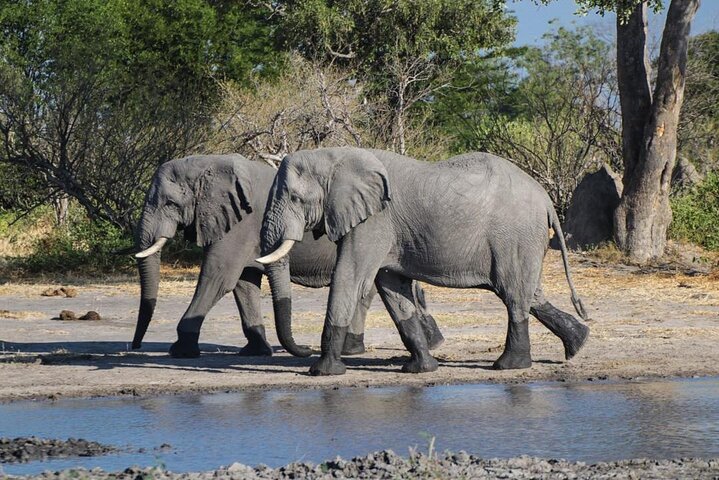
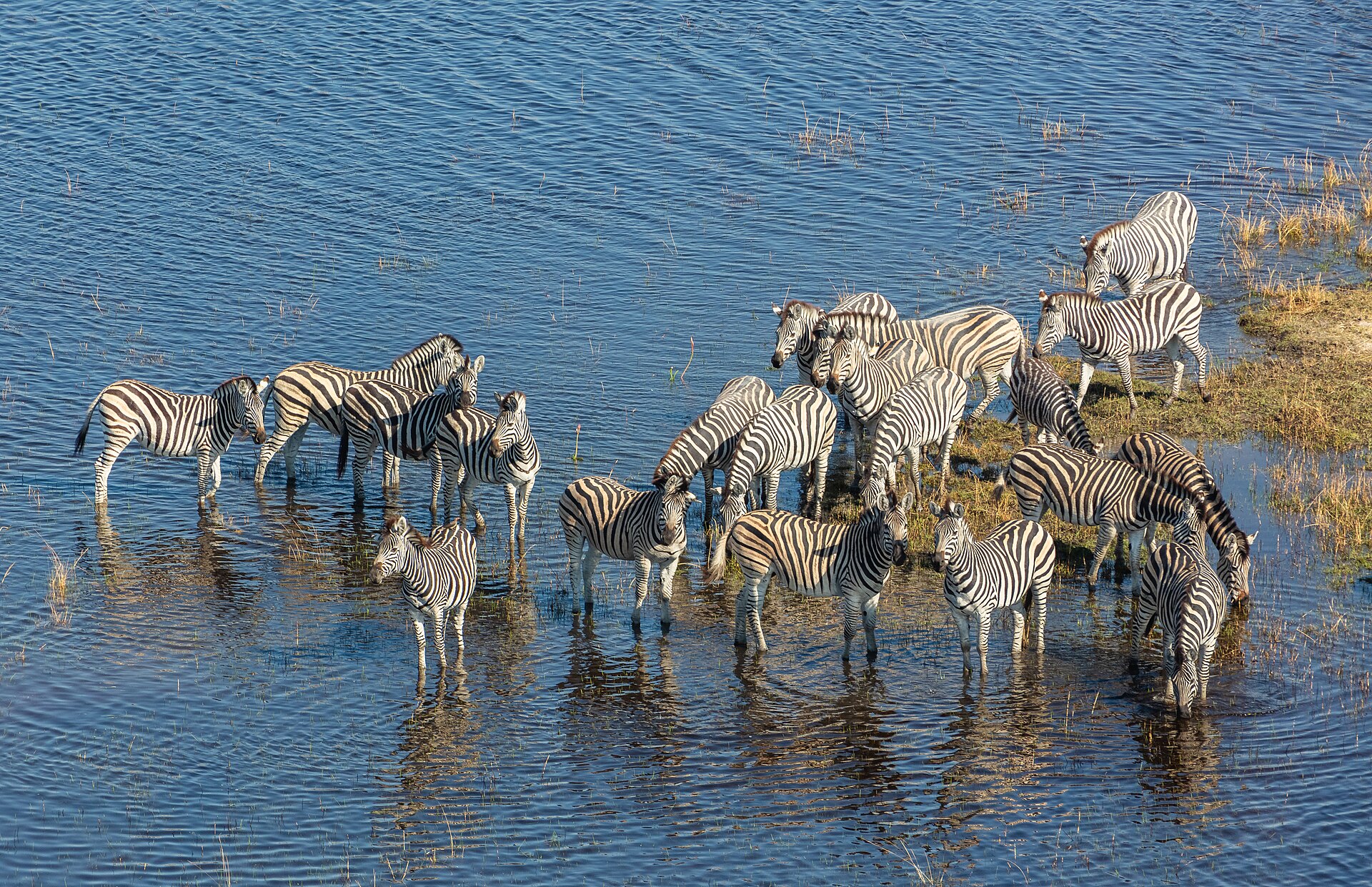
In the dry season, from roughly June to October, the permanent water of the Linyanti and Kwando rivers draws buffalo, elephant, wildebeest and zebra from a wide area, and the predators follow. When the Mababe Depression floods, the tourism board notes that it attracts thousands of migratory birds and large herds of zebra, so water levels from year to year change what you see.
Ways to visit
The simplest approach is a multi-day camping or lodge safari from Maun or Kasane that includes Savuti as part of a loop through Moremi, Khwai and Chobe. These trips are run by specialist operators, and they vary a great deal in comfort, group size and price, so ask exactly where you will sleep and who handles park fees. A small part of Chobe National Park reaches the Linyanti River and its swamps, with a government campsite and facilities for self-drive campers, but self-driving here demands a properly equipped 4x4, experience in deep sand, and a willingness to be self-sufficient.
The Linyanti, Kwando and Selinda concessions are typically reached by light aircraft and offer walking, boating and night drives that are not permitted inside the national park.
Seasons and planning
The dry months are the classic time, when wildlife concentrates on the permanent rivers and the roads are firm. From November to March the area turns green, many animals disperse across temporary pans, and the sand roads can become muddy after storms, but the birding is excellent and the crowds are thin. Because the camps are small, the best ones book out well ahead for the dry season.
Take malaria advice before you travel, bring layers for cold winter dawns, and pack binoculars. If you only have a day or two in Kasane, the riverfront is the practical choice; if you can give the trip three nights or more, Savuti is where Chobe stops feeling like a day out and starts feeling like a wilderness.
What to expect
The experience
A planning overview of Chobe's inland wilderness: the Savuti channel and marsh, the Mababe Depression and the private Linyanti, Kwando and Selinda concessions.
Best time
June to October for animals concentrating on the permanent rivers; November to March for green landscapes and birdlife.
How long
Two to four nights; a day trip from Kasane cannot do it justice.
Tips
Ask operators whether park fees and camping are included, and expect slow, sandy driving. Book small camps well ahead for the dry season.
Quick picks
- Best for
- Travellers who have seen the riverfront and want predators, space and a wilder feel.
- Families
- Best for older children who can sit through long drives; many private camps set minimum ages.
- Couples
- A small concession camp with night drives and walks is a classic splurge.
- Pair with
- Chobe riverfront cruises, a Moremi trip and a few nights in Kasane.
- Time needed
- At least two nights; three or four is better.
Good questions
Where is Savuti?+
It lies in the centre of Chobe National Park, inland from the riverfront near Kasane. The Linyanti, Kwando and Selinda concessions sit to the north, between Chobe and the Okavango.
What is Savuti known for?+
Resident lion, cheetah and hyena populations, a channel that has dried up and flowed again several times, and the seasonal Mababe Depression.
Can I visit Savuti on a day trip from Kasane?+
Not realistically. Distances and sandy roads mean most visitors stay at least two nights, either camping or in a lodge.
Can I self-drive in the Linyanti area?+
A small part of Chobe National Park reaches the Linyanti River with a campsite for self-drive campers, but it needs a capable 4x4, sand-driving experience and full self-sufficiency.
When is the best time to go?+
The dry months, roughly June to October, concentrate wildlife on the permanent rivers. The wet season is greener but roads are muddier and animals more dispersed.