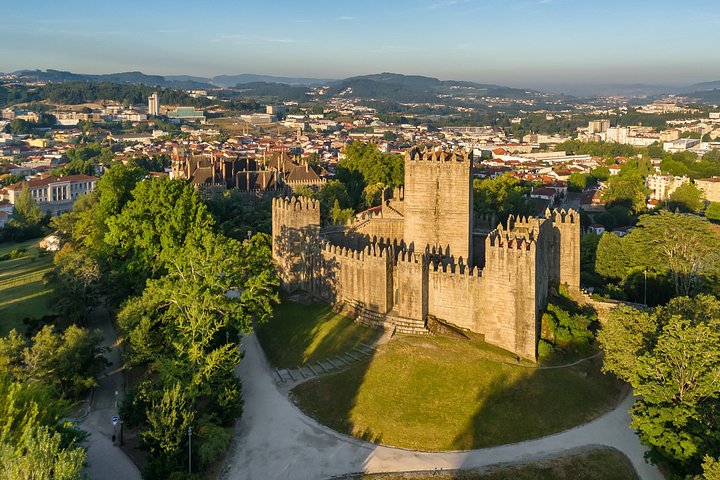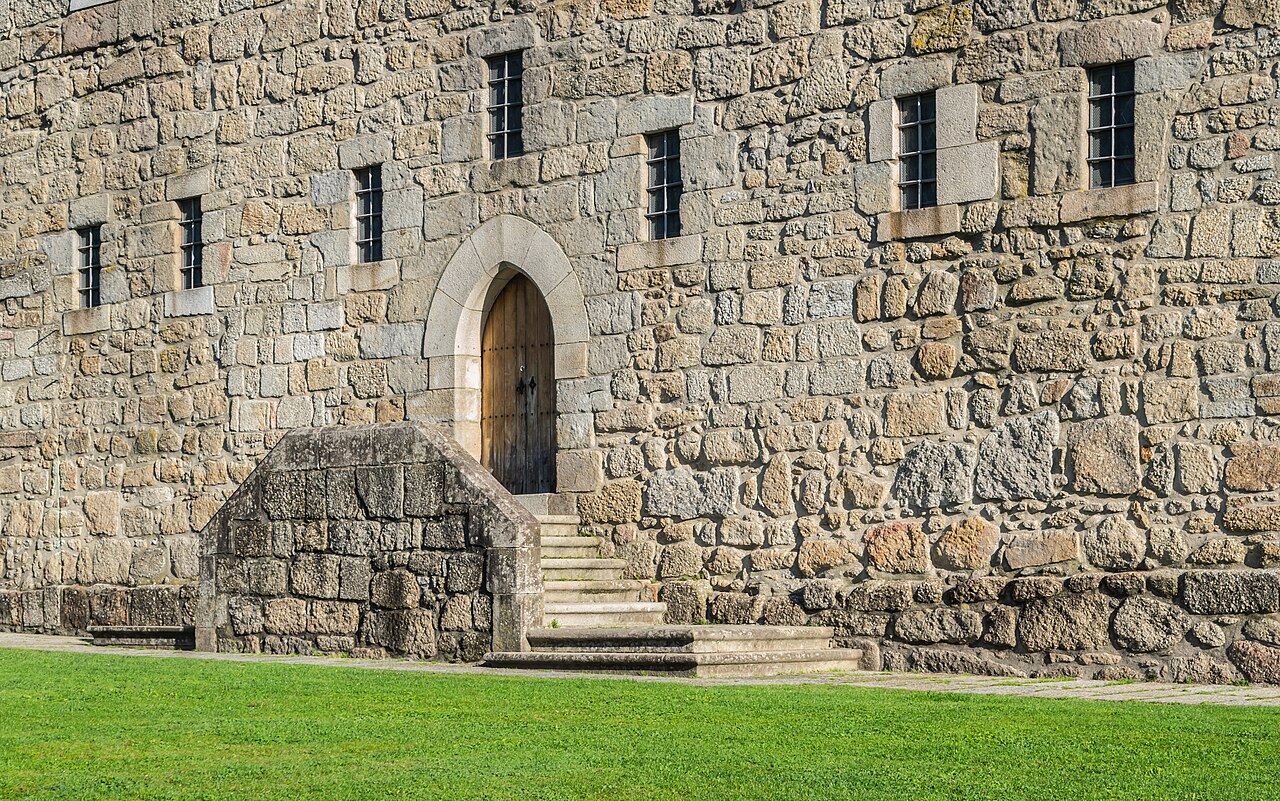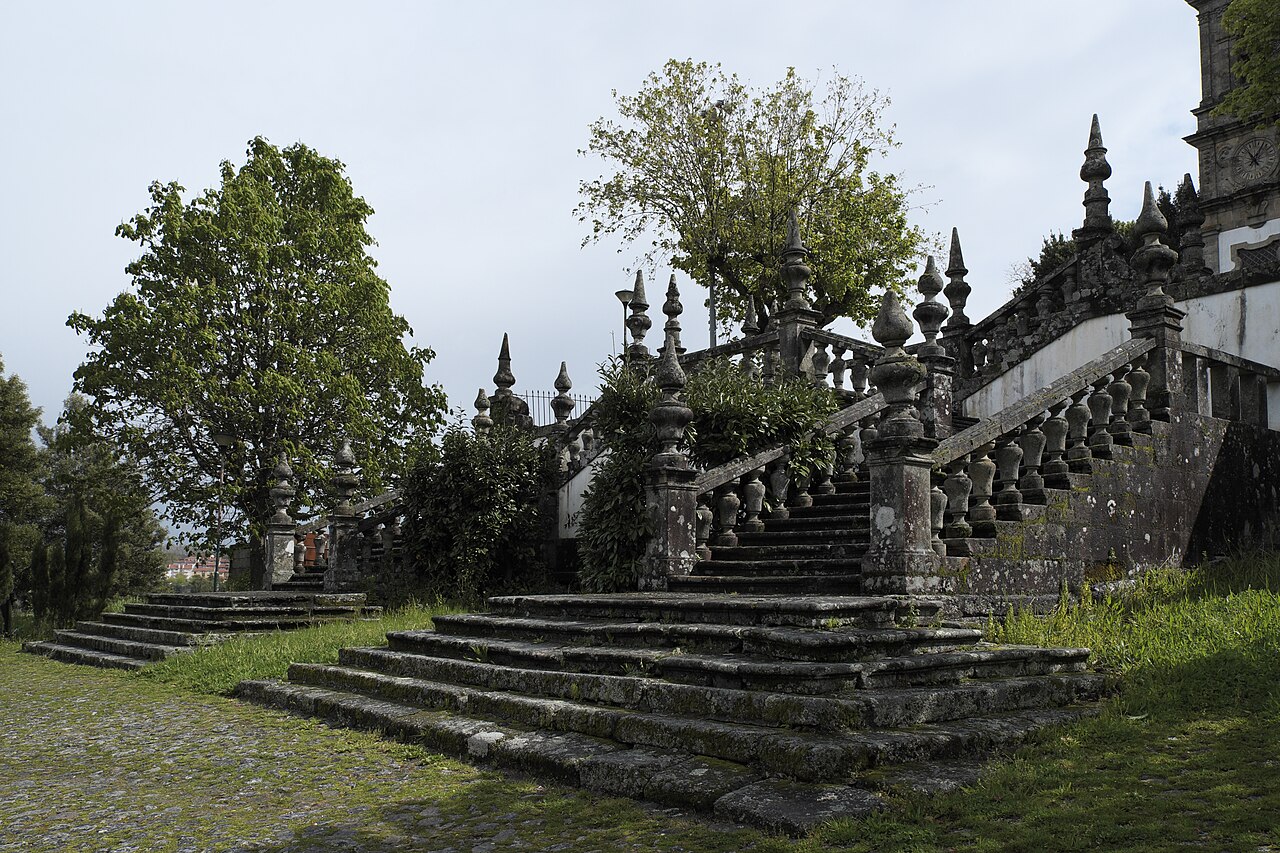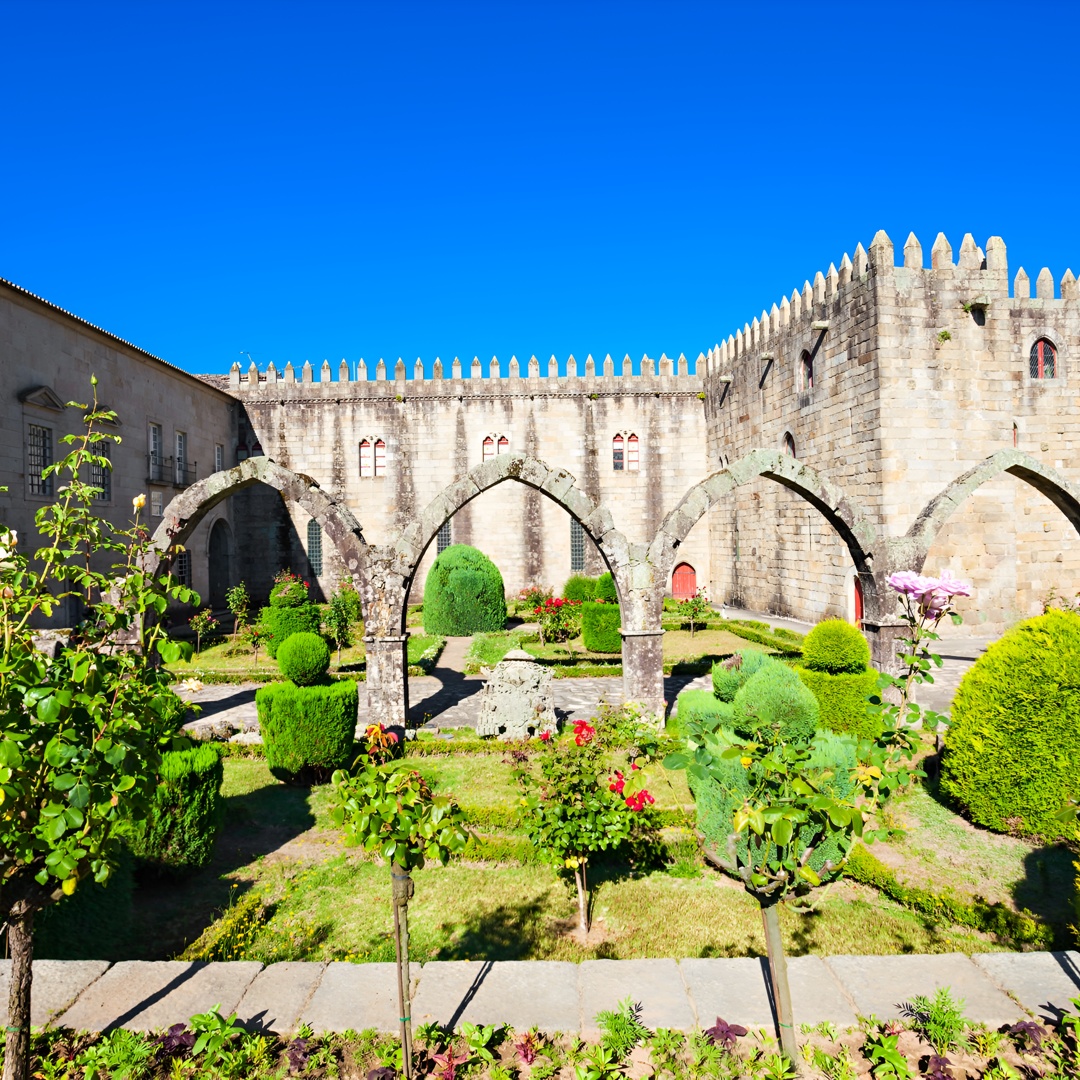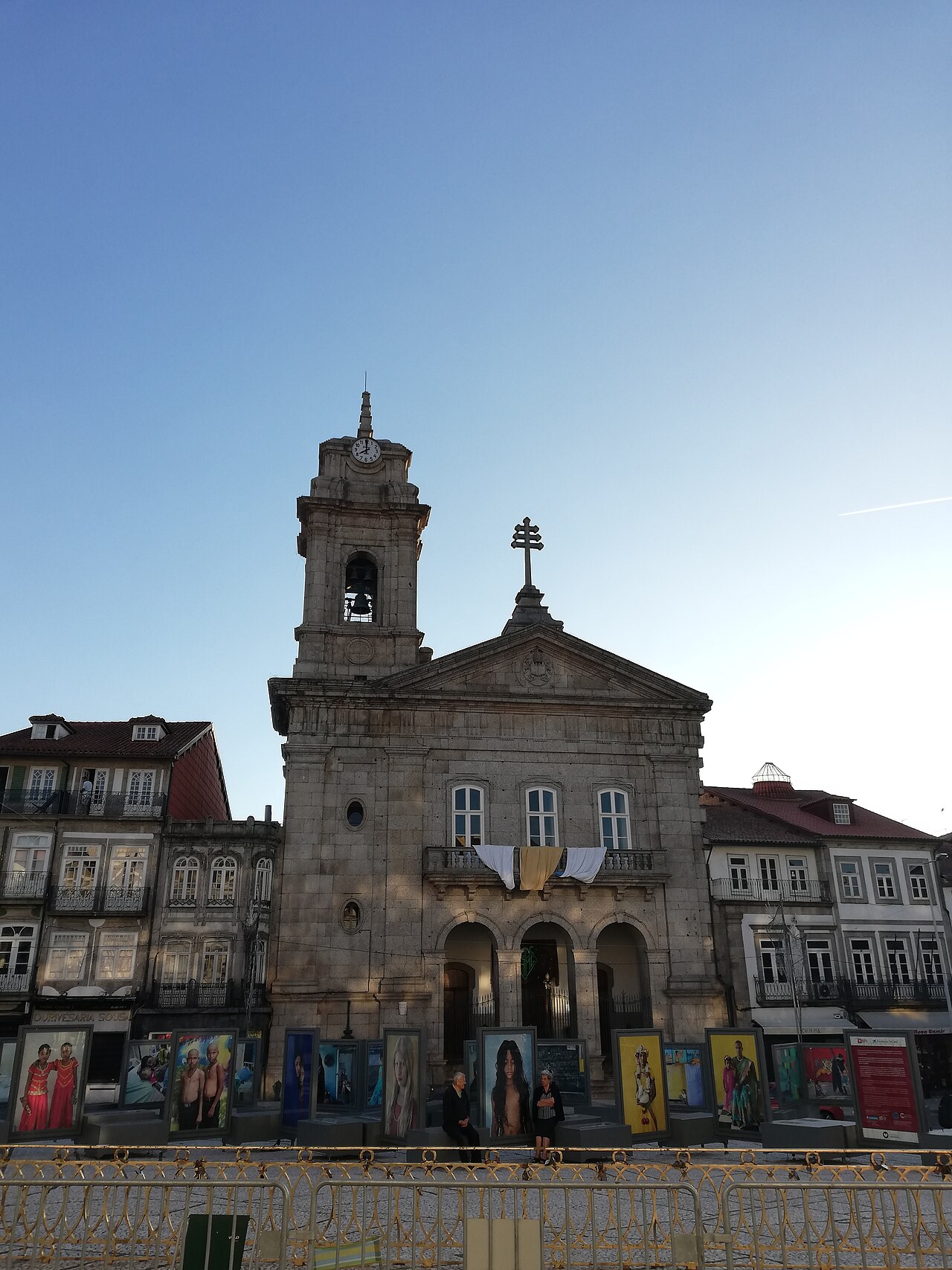
The old town of Guimaraes is one of the most pleasant places in northern Portugal to simply walk. Inscribed as a UNESCO World Heritage Site in 2001 and a European Capital of Culture in 2012, it keeps the shape and character of a medieval town that gradually adapted to later centuries, with granite houses, wooden balconies, tiled facades and narrow streets opening onto small squares. The best-known is the Largo da Oliveira, a calm square named for an olive tree that stands beside the Gothic Padrao do Salado monument and the church of Our Lady of Oliveira, with the town hall arcades and a former convent on its edges. A few steps away is the Praca de Sao Tiago, a long, irregular square lined with cafes and restaurants under timber-framed upper floors, which is where most people have lunch and a drink. The streets between, including Rua de Santa Maria, which climbs towards the castle and palace, are lined with shops, bakeries and small museums, and the whole centre is compact enough to explore in a half day. Because it is a living town and not a museum, you will meet students, shoppers and families as well as visitors, and the atmosphere stays relaxed.
The history is easy to read from the pavements. The town grew around a monastery and the castle that protected it, then spread into a trading centre with a river industry, and the urban fabric of different centuries sits side by side. Look for the carved doorways, the oriel windows, the old washing places and the layers of repairs.
The Largo da Oliveira is the best place to understand the Padrao do Salado, a Gothic canopy built to commemorate a fourteenth-century victory over the Moors, and the nearby Santa Maria church houses the museum of Alberto Sampaio with medieval treasures.
A good loop begins at the Largo, passes through the Praca de Sao Tiago, climbs along Rua de Santa Maria to the palace and castle, and returns through the park and the Toural square, the town's modern living room. Practical tips: the streets are cobbled and some slopes are steep, so bring comfortable shoes. Visit in the morning or late afternoon for good light and fewer crowds, and note that many shops and restaurants close on Sundays or Mondays outside peak season.
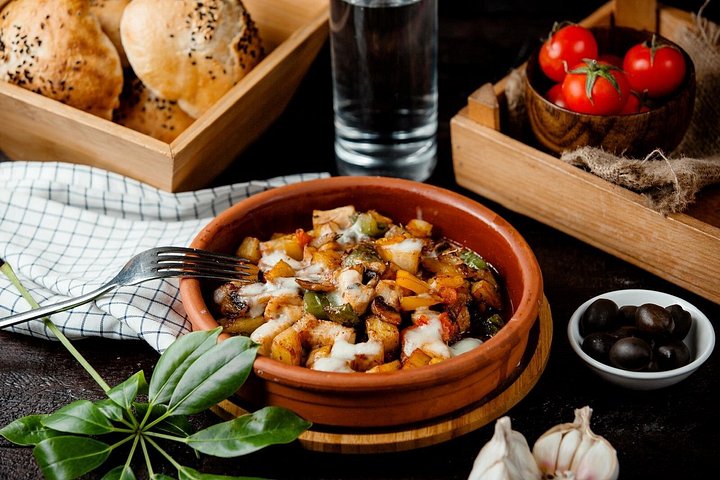
The town is lively in the evenings, especially in the warmer months, and the festivities of Sao Gualter in August and the Nicolinas in December give the calendar extra colour. A free walking route is easy to follow with a printed map from the tourist office. For deeper context, a guided or self-guided walking tour explains the symbols and stories, and a food tour reveals the pastries and savoury specialities.
Finish with the cable car up to Penha hill if you want a green view over the town and the surrounding hills. Take the time to look up as well as ahead, since the upper floors, balconies and rooflines tell the architectural story, and look down for the carved stone benches, fountains and plaques that mark events in local history. Early on a Sunday the squares are almost empty and feel like a film set.
What to expect
The experience
A self-guided walk through the medieval squares and lanes of the old town, with optional museums, the castle and palace nearby.
Best time
Morning or late afternoon; evenings are lively in summer.
How long
Three to four hours including lunch.
Tips
Wear comfortable shoes for cobbles and slopes, and check Sunday and Monday closures.
Quick picks
- Best for
- Every first-timer; this is the heart of the visit.
- Families
- Open squares and pastry shops make it easy with children.
- Couples
- Dinner under the timber balconies of the Praca de Sao Tiago.
- Pair with
- The castle, the Ducal Palace and the food tour.
- Time needed
- A half day.
Good questions
Why is Guimaraes a UNESCO site?+
The historic centre was inscribed in 2001 as an outstanding example of the evolution of a medieval settlement into a modern town, with its building traditions preserved.
What are the main squares?+
The Largo da Oliveira and the Praca de Sao Tiago, a few steps apart, are the focal points.
Is the old town free to visit?+
Yes, the streets and squares are free. Castle, palace and museums charge entry.
How long do I need?+
A half day covers the old town and lunch. A full day adds the castle, palace and Penha.
Is it walkable?+
Yes, it is compact, with cobbles and some slopes.