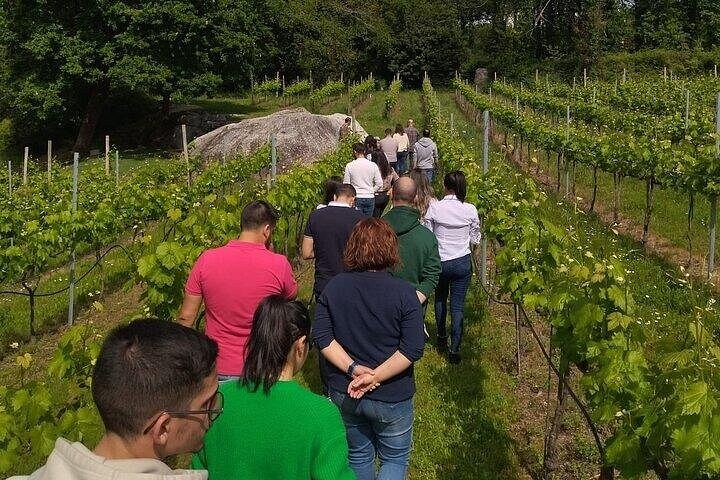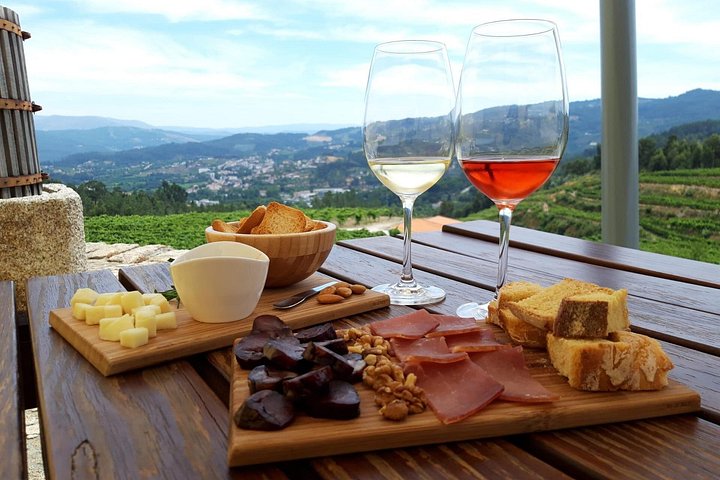
Vinho Verde is not a colour, it is a place. The name refers to the green, rainy north-west of Portugal, where vines have been grown for centuries on pergolas, trees and trellises above fields of vegetables, and the wines are released young and fresh. Most are white, made from grapes such as Loureiro, Arinto, Trajadura and Alvarinho, with crisp acidity, citrus and floral notes, low alcohol and sometimes a slight natural spritz. A tasting at a quinta, which is a wine estate, lets you see the vineyards, hear how the climate and soil shape the wine and compare several styles. The Identity tasting at Quinta de Santa Cristina is one of several formats offered by the estate, from simple tastings to premium sessions, wine and lunch experiences, barrel tastings and even a day planting vines. The introductory one is the best for first-timers, offering a clear sense of the estate's style and a chance to ask questions. The setting is typical of the Minho: rolling green hills, stone buildings, vine-covered terraces and a calm that contrasts with the nearby cities.
Tips
Tastings are usually by reservation and may have set times, so book ahead and confirm the address, which is in the countryside and may need a car or taxi. If you plan to drive, remember the local blood alcohol limit is low, and consider a designated driver or a taxi.
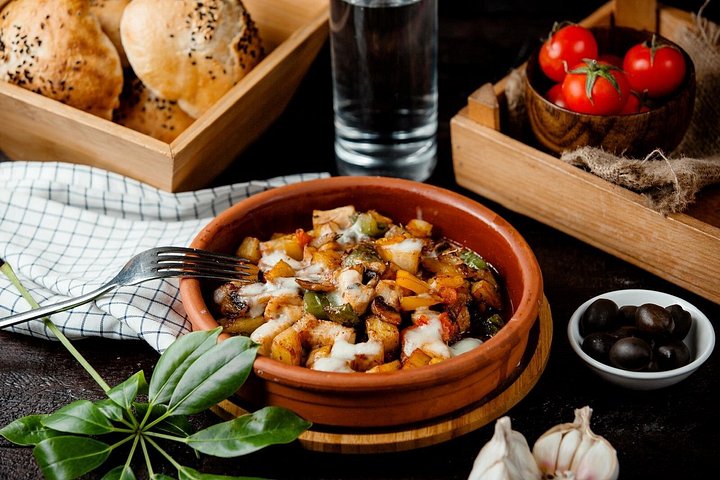
Pair the tasting with food if you can, since Vinho Verde matches seafood, salads, cured meats and fried fish well, and some estates offer a meal. Ask the host to explain the difference between Loureiro and Alvarinho, the role of the Atlantic climate and the traditional pergola training system.
Buy bottles to take home if you like them; estate prices are usually good, and wines travel well. Spring and summer are lovely for sitting outside among the vines, while the autumn harvest brings activity and colour, though visits may be adjusted around the picking. If you are travelling with a non-drinker or children, check whether the estate offers grape juice or a short walk.
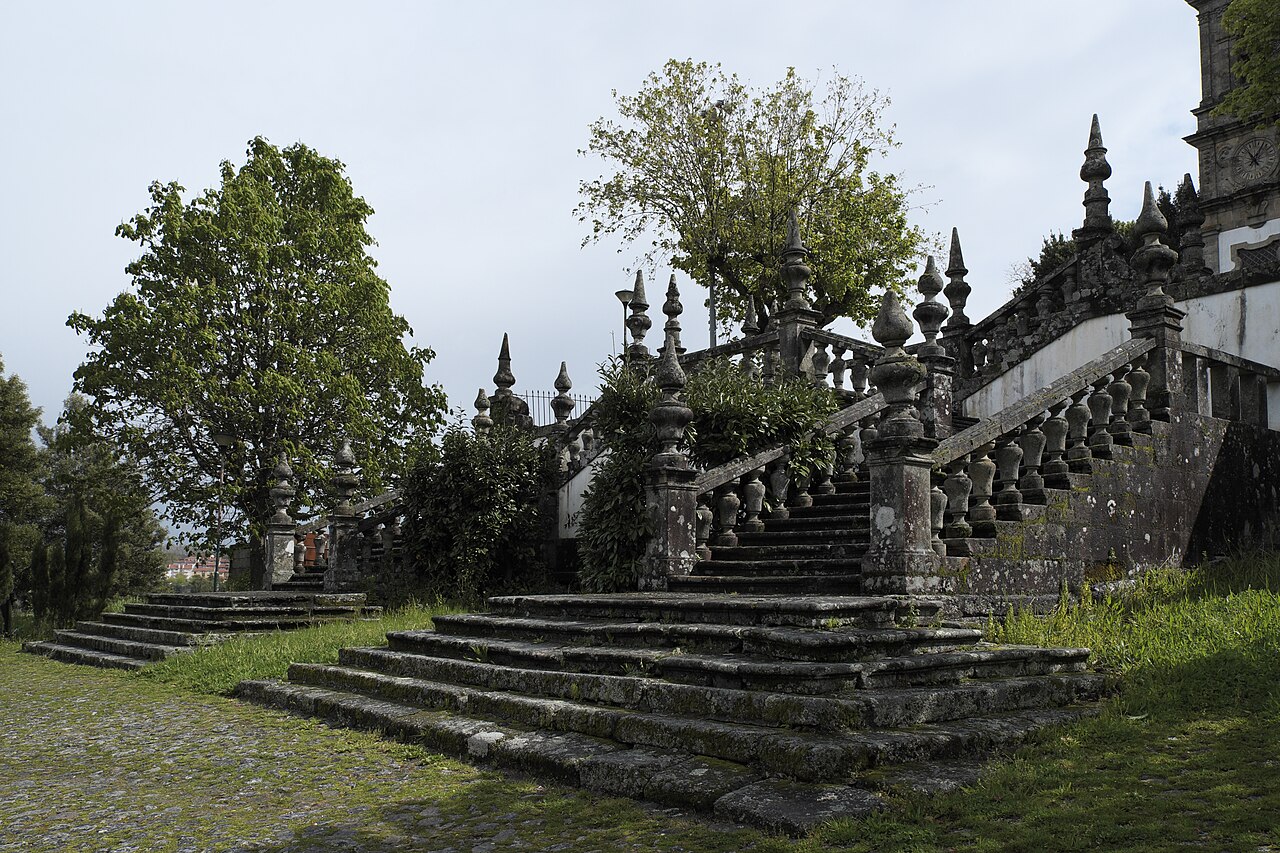
Combine the quinta with visits to Guimaraes, Braga or Tibaes, since the estates are scattered through the region, and consider a half-day or private tour that includes transport so everyone can drink freely.
For a broader education, add a food tour in town, where you can try Vinho Verde with local dishes, and watch for the red Vinho Verde, a rustic and unusual style rarely exported. A tasting is also a good way to meet local people and learn about farm life.
Taste slowly, smell each wine before sipping and take notes on the ones you like, so you can look for them later in restaurants or shops. Ask the host which dishes they would serve with each wine, and whether the estate sells small-batch bottles that are not found elsewhere.
If you visit during the harvest, ask whether you can see the press or the fermentation tanks. If you travel without a car, ask the estate or a local operator about transfers from Braga or Guimaraes, or combine the tasting with a wine tour that includes transport. Pack a small cool bag if you plan to buy bottles, as the wine is best enjoyed chilled and the summer drive back can be warm.
What to expect
The experience
A guided tasting at a Vinho Verde estate, with a walk around the vines and an explanation of the grapes and styles.
Best time
Spring to autumn for sitting outside; harvest season has the most activity.
How long
One to two hours.
Tips
Book ahead, arrange transport if you will drink, and ask about food pairings.
Quick picks
- Best for
- Wine lovers and curious first-timers.
- Families
- Fine for families if a non-alcoholic option is offered; check with the estate.
- Couples
- A slow afternoon among the vines.
- Pair with
- A tour of Guimaraes or Braga and a food tour.
- Time needed
- One to two hours plus transport.
Good questions
What is Vinho Verde?+
A wine from the green north-west of Portugal, usually young, fresh and low in alcohol, mostly white.
Do I need a reservation?+
Yes, tastings are normally by reservation.
Can I buy wine to take home?+
Estates usually sell bottles.
Can I drive?+
Be careful with the local drink driving limits and consider a taxi or tour.
What grapes will I taste?+
Typically Loureiro, Arinto, Trajadura and sometimes Alvarinho, depending on the estate.