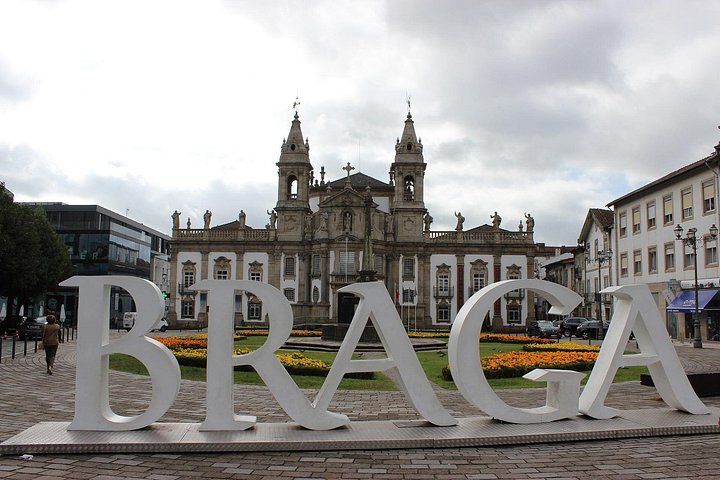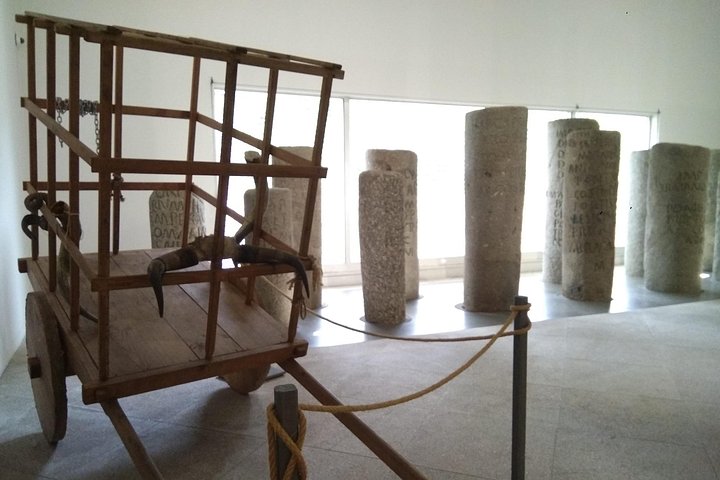
Underneath modern Braga lies Bracara Augusta, founded in the time of the emperor Augustus and soon a capital of the Roman province of Gallaecia, a crossroads of roads linking the Atlantic coast with the interior. The city never stopped being lived in, which means Roman Braga is mostly hidden: fragments of baths, a sacred spring, mosaics and inscriptions appear in museums, cellars and archaeological sites scattered through the centre. A half-day cultural tour is the way to find them. A guide takes you through the sites that are open, explains what you are seeing and sets it in the larger story of how the Romans organised the north-west of the Iberian peninsula. Typical highlights include the remains of Roman thermal baths in the Cividade area, the Fonte do Idolo with its carved inscriptions beside a former spring, and the museum with its collections of mosaics, milestones, altars and everyday objects. Walking between them you see how the later city was layered on top of the old grid, how churches and squares follow earlier streets, and how a Roman capital became a medieval archbishopric. The tour is suited to curious travellers rather than specialists, with context supplied as you go and plenty of room for questions.
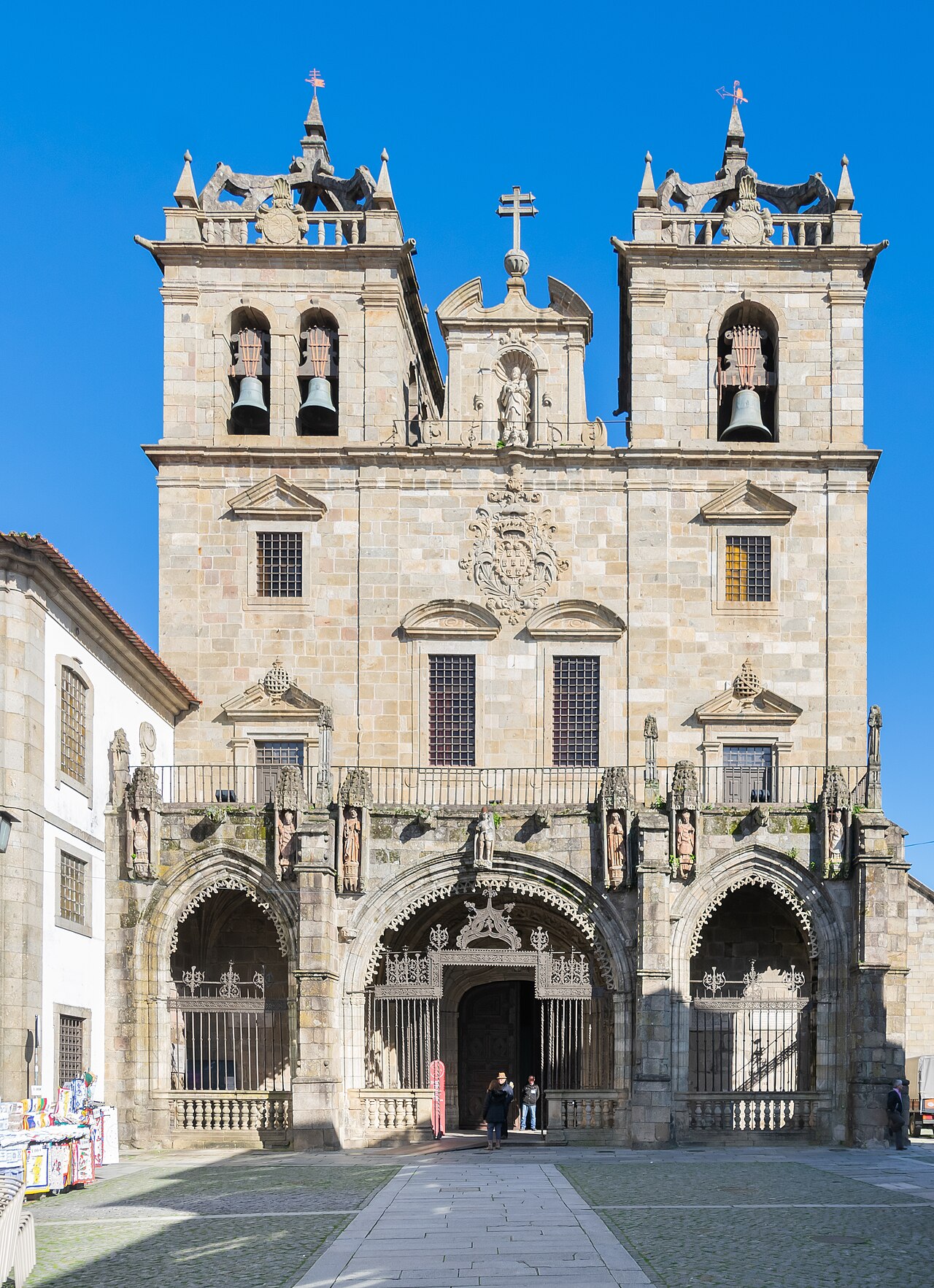
Because the sites are small and scattered, a guided visit saves time and avoids the disappointment of arriving at something locked, or of finding only a stone and a plaque with no explanation. A guide also ties the Roman past to what you see elsewhere in Braga: how the early Christian community grew from the Roman city, how the first cathedral was built by reconquering rulers on a site that had always been central, and why the city kept its religious importance through the centuries.
The tour works well as the first activity of a stay, because it gives you a framework for everything else. It also pairs naturally with a visit to the cathedral and the Bom Jesus sanctuary on another half day, since together they cover the Roman, medieval and Baroque faces of the city. Practical tips: wear comfortable shoes, as the streets include cobbles and slopes, check which sites are included in your departure and whether any entry fees are separate, and bring water in the warmer months.
Opening days vary, and museums often close on Mondays, so confirm the schedule when you book. If you are travelling with children, the best ones will enjoy the stories of baths and roads and the objects in the museum more than the stones themselves, so prepare them with a few questions to look for. Independent visitors can follow some of the same route on foot with a map from the tourism office, but without a guide the stones can look like rubble.
After the tour, the old town offers excellent places for lunch, and the walk back through the pedestrian streets is a good way to see the Roman layout in modern form.
A useful habit on a tour like this is to note which sites you would like to see again on your own, because small museums often reward a second, slower visit once you know what to look for. Ask the guide where the best nearby places for lunch are, since the sites sit close to the old town.
What to expect
The experience
A guided cultural walk to Roman sites and museum collections in the centre of Braga, set within the wider story of the city.
Best time
Morning departures, before the museums become busy and the day warms.
How long
About four hours with short transfers on foot.
Tips
Comfortable shoes, water in summer, and a check of museum closing days.
Quick picks
- Best for
- History and archaeology lovers, and anyone curious about the Portugal that existed before Portugal.
- Families
- Better for school-age children who like stories of baths and roads.
- Couples
- A shared interest in old stones followed by a long lunch.
- Pair with
- Braga Cathedral and a day at Bom Jesus.
- Time needed
- Half a day.
Good questions
What Roman sites are in Braga?+
Remains of baths, a sacred spring with inscriptions, mosaics and museum collections are the main sights. Exact inclusions depend on the tour, so check when you book.
Is there much to see above ground?+
Less than in some Roman cities, because modern Braga was built over the ancient one. A guide makes the fragments meaningful.
Is the tour good for children?+
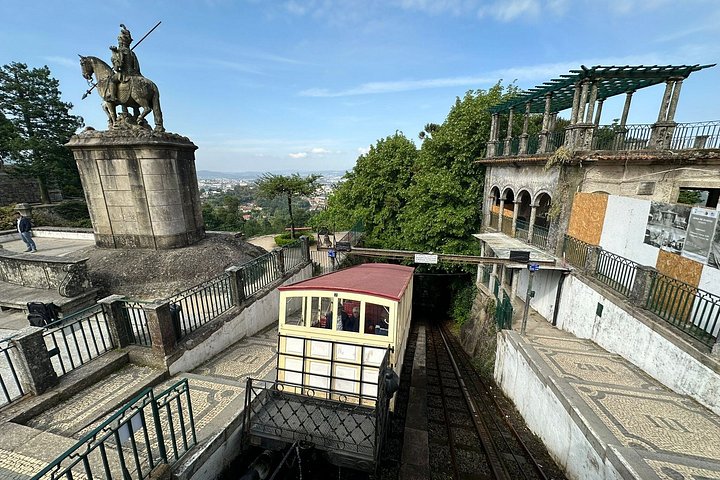
It suits older children who enjoy history. Younger children may prefer the Bom Jesus funicular and park.
Are museums closed on any day?+
Many Portuguese museums close on Mondays and on public holidays, so check the departure date against the schedule.
How does this compare with a general city tour?+
A general tour spends time on churches and the old town, while this one concentrates on Roman Bracara Augusta. They complement each other.