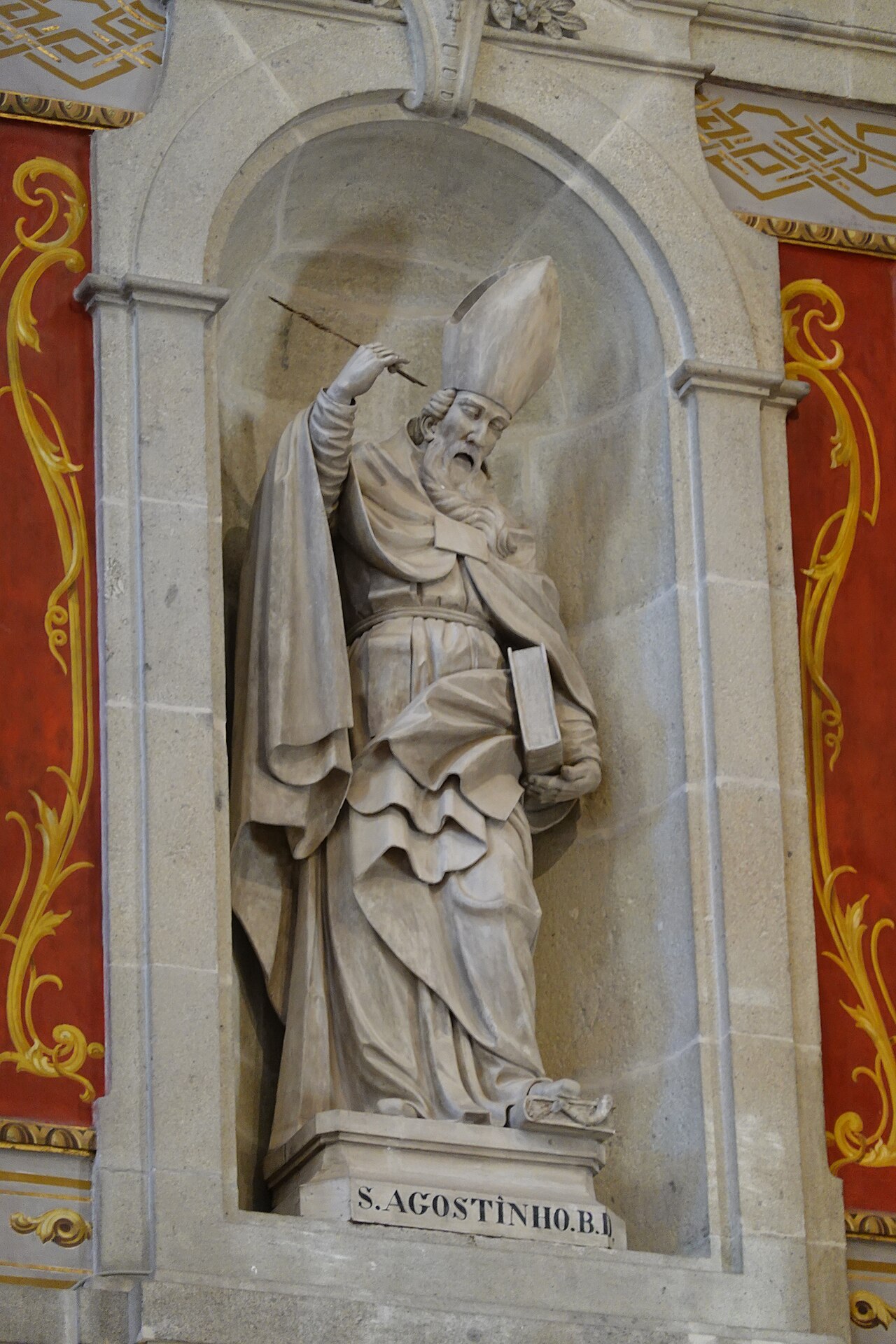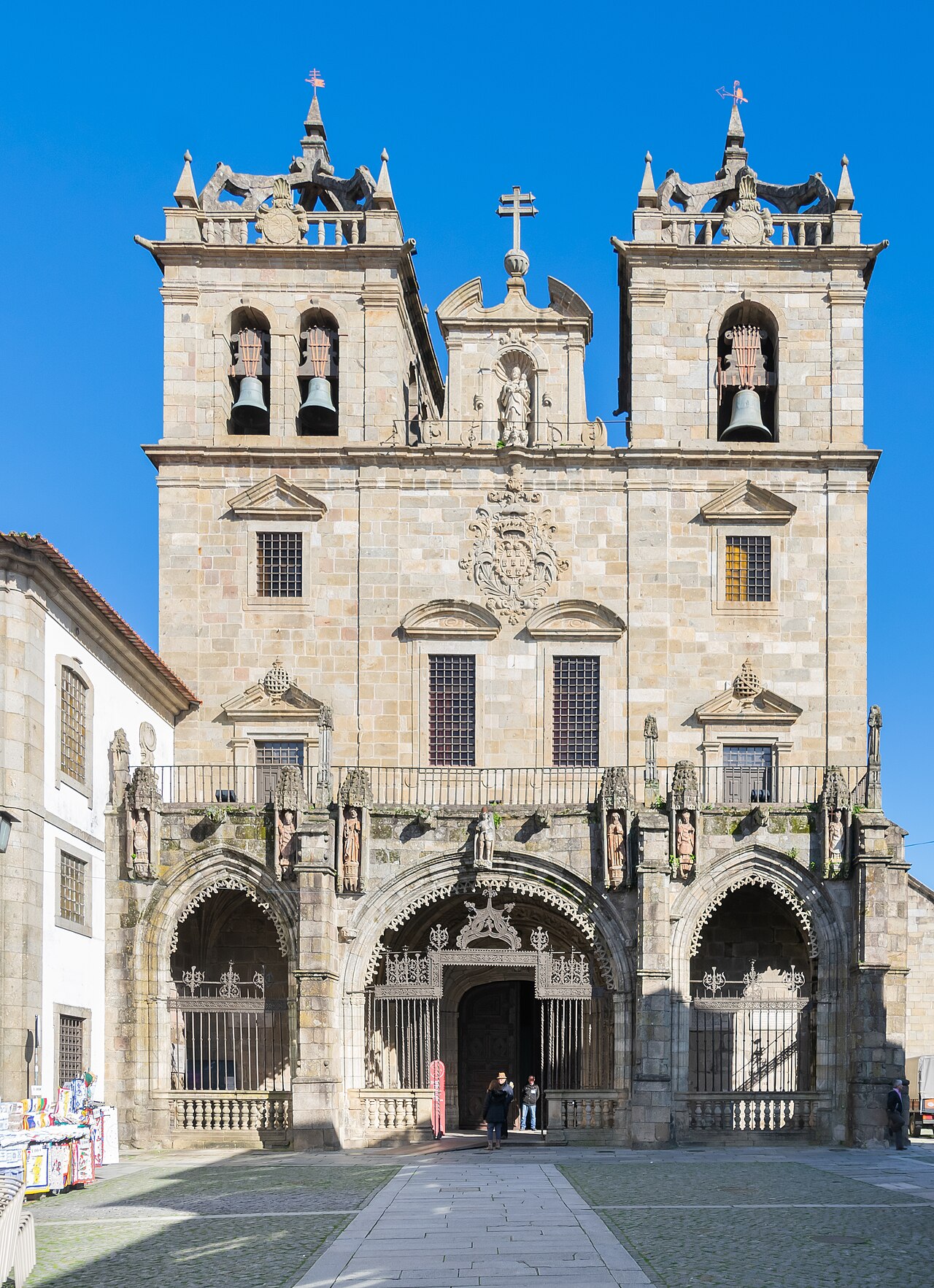
The Se de Braga is where the city's story is easiest to read. Begun in the late eleventh century after the reconquest of the north, it is regarded as the oldest cathedral in Portugal, and it has been added to and rebuilt through the Romanesque, Gothic, Manueline and Baroque periods, so that walking round it is like turning pages of Portuguese architectural history. The main facade is a mix of styles, the southern portal is Romanesque, and the interior holds a gilded Baroque organ, carved choir stalls, royal tombs and chapels of different centuries. Braga was for generations the seat of the primate of Portugal and the archbishops lived and governed from the city, which explains the scale of the cathedral, its treasury and the number of churches within a short walk. The visit usually combines the nave with the cloister, the chapels and a museum of sacred art, where vestments, reliquaries, silverwork and manuscripts show the wealth of the diocese. Some parts require a ticket and others are free, and opening hours vary by section and by season, so check before you go. The area around the cathedral is the heart of the old town, and a good loop begins in the square outside, passes the archbishop's palace and the pedestrian streets, and ends at the nearby arcades and cafes.
What to look for
The carved doorways, the capital sculptures that suggest the Romanesque original, the Kings' Chapel with the tomb of Count Henry of Burgundy and Teresa, parents of Portugal's first king, and the Baroque organs, which are among the most ornate in the country. The cloister is a calm, shaded space ideal for slowing down after the street noise, and the treasury is worth the extra ticket for anyone interested in sacred art. During Holy Week the cathedral is at the centre of the celebrated Easter processions that make Braga one of the most important places in Portugal for Semana Santa, and the city fills with visitors, so book accommodation early if you plan to be here then.
Out of Easter, the cathedral is much quieter, and an early morning visit gives you the nave almost to yourself. Respect services: it is an active church, and some areas close during Mass. Dress modestly, keep your voice low and avoid flash photography inside.
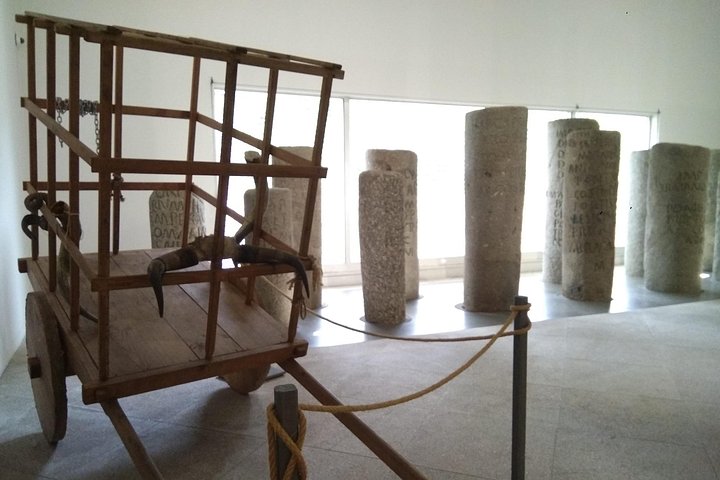
Combine the cathedral with a walk to the Roman remains, the Jardim de Santa Barbara beside the archbishop's palace, and the nearby Rua do Souto shopping street, then pause at a historic cafe for a coffee and pastry. The cathedral is easy to include in a guided old town tour, which is a good way to understand why a city this size has so many churches, but it is also easy to do alone with a brief reading about its history beforehand.
Allow an hour for the nave and cloister, and up to two if you add the treasury and a slow look at the chapels. If you enjoy architecture, bring a small pair of binoculars or use your phone zoom to study the carved capitals and the high organ cases, and ask at the entrance whether a short printed guide is available in your language. A rest on a bench in the cloister before returning to the street is part of the visit.
What to expect
The experience
A self-guided visit of the nave and chapels, with separate tickets for the cloister and the treasury of sacred art.
Best time
Early morning for quiet; Holy Week for processions and crowds.
How long
One to two hours depending on how much you add.
Tips
Check section opening hours, dress modestly, and avoid visiting during Mass.
Quick picks
- Best for
- History and architecture lovers; this is the oldest cathedral in the country.
- Families
- Children may prefer a short visit with the cloister and organ; keep it brief.
- Couples
- A quiet cloister, then a coffee in a historic cafe nearby.
- Pair with
- The Jardim de Santa Barbara, the Roman remains and a guided old town walk.
- Time needed
- One to two hours.
Good questions
Is Braga Cathedral really the oldest in Portugal?+
It is generally regarded as the oldest cathedral in Portugal, begun in the late eleventh century, and it has been altered in several later styles.
Do I need a ticket?+
The main nave is typically open to visitors, while the cloister, chapels and treasury of sacred art may require tickets. Check the current arrangements before you go.
What should I wear?+
Modest clothing that covers shoulders and knees is advisable, as this is a working church and a pilgrimage centre.
When is it busiest?+
During Holy Week and on major feast days. Out of those periods, early morning is quietest.
What else is nearby?+
The archbishop's palace and gardens, the Roman remains, the pedestrian streets and the main square are all within a few minutes on foot.