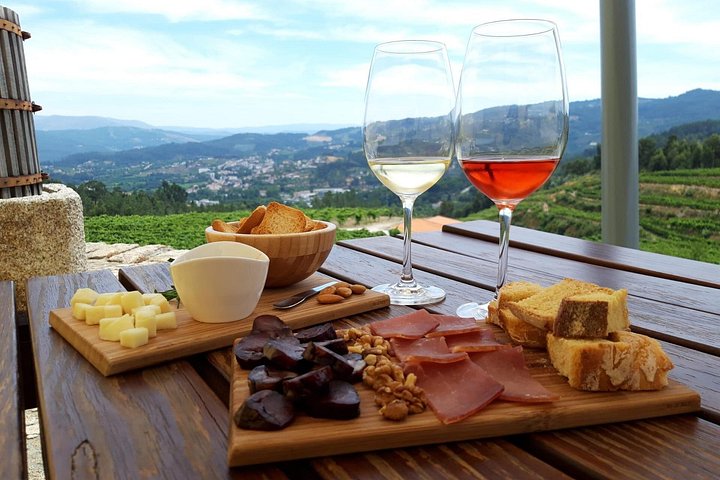
Few wines are as misunderstood as Vinho Verde. Many visitors expect a green wine, or a cheap fizzy white, and are surprised to meet a family of fresh, elegant and food-friendly wines grown in one of the most beautiful regions in Portugal. A day among the vines near Braga or Guimaraes is one of the pleasures of the north, and this guide explains what you will taste and how to plan it.
What Vinho Verde means
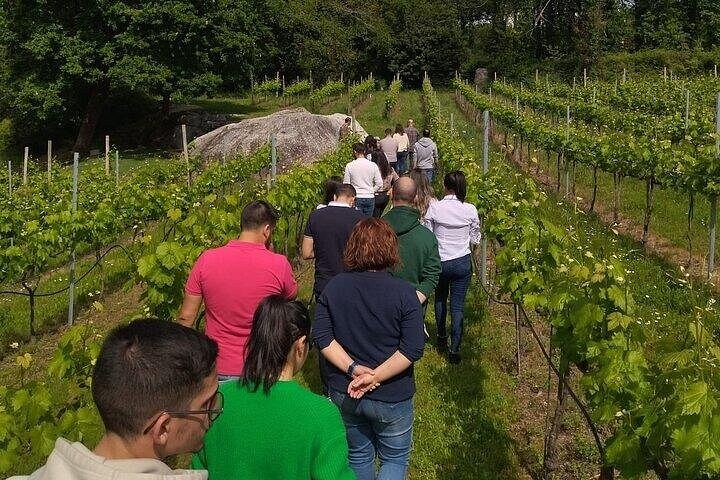
Verde means green, but it refers to the green landscape of the Minho and to the youth of the wine, not to its colour. The Vinho Verde region covers the north-west corner of Portugal, from the Spanish border to the Douro, and is one of the largest wine regions in the country. The climate is Atlantic, with plenty of rain and cool nights, which gives wines with high acidity, low alcohol and bright aromas. Traditionally the vines were trained high on pergolas, trees and wires, leaving the ground free for vegetables and cattle, and you can still see this style in the countryside.
The grapes
The main white grapes are Loureiro, floral and aromatic; Arinto, citrusy and crisp; Trajadura, soft and fruity; Azal, tart and lively; and Alvarinho, the most prestigious, grown especially in the northern subregions and making richer, more structured wines. Reds, made from Vinhao and others, are dark, tannic and tart, an acquired taste often served with grilled meat. Rose and sparkling versions also exist. Many wines are blends, and single-variety bottles are increasingly common.
Styles to try
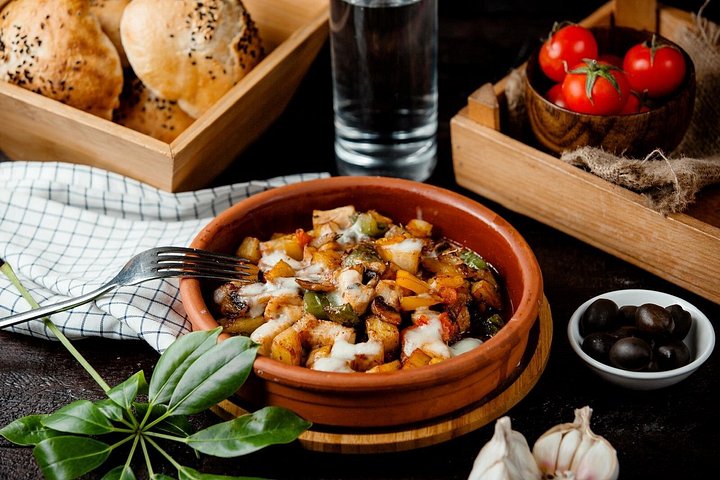
The classic Vinho Verde is young, light and sometimes slightly spritzy, with alcohol around nine to eleven percent, served very cold as an aperitif or with seafood. More serious bottlings come from single estates, with more body, minerality and ageing potential, especially Alvarinho and Loureiro. Ask for the difference at a tasting, and try one of each if you can. Pair the lighter styles with salads, grilled fish, fried cod fritters and cured meats, and the richer ones with roast chicken, pork and creamy dishes.
Visiting a quinta
A quinta is a wine estate, and many in the Minho welcome visitors by reservation. A typical visit includes a walk among the vines, an explanation of the pergola system, a look at the cellar and a tasting of several wines, sometimes with cheese or snacks. Some estates offer longer experiences such as lunch with wine, barrel tastings or harvest participation. Book ahead, confirm the address, and arrange transport if you will drink. The estates near Guimaraes and Braga are easy to combine with sightseeing, and organised tours handle the logistics.
Wine and monasteries
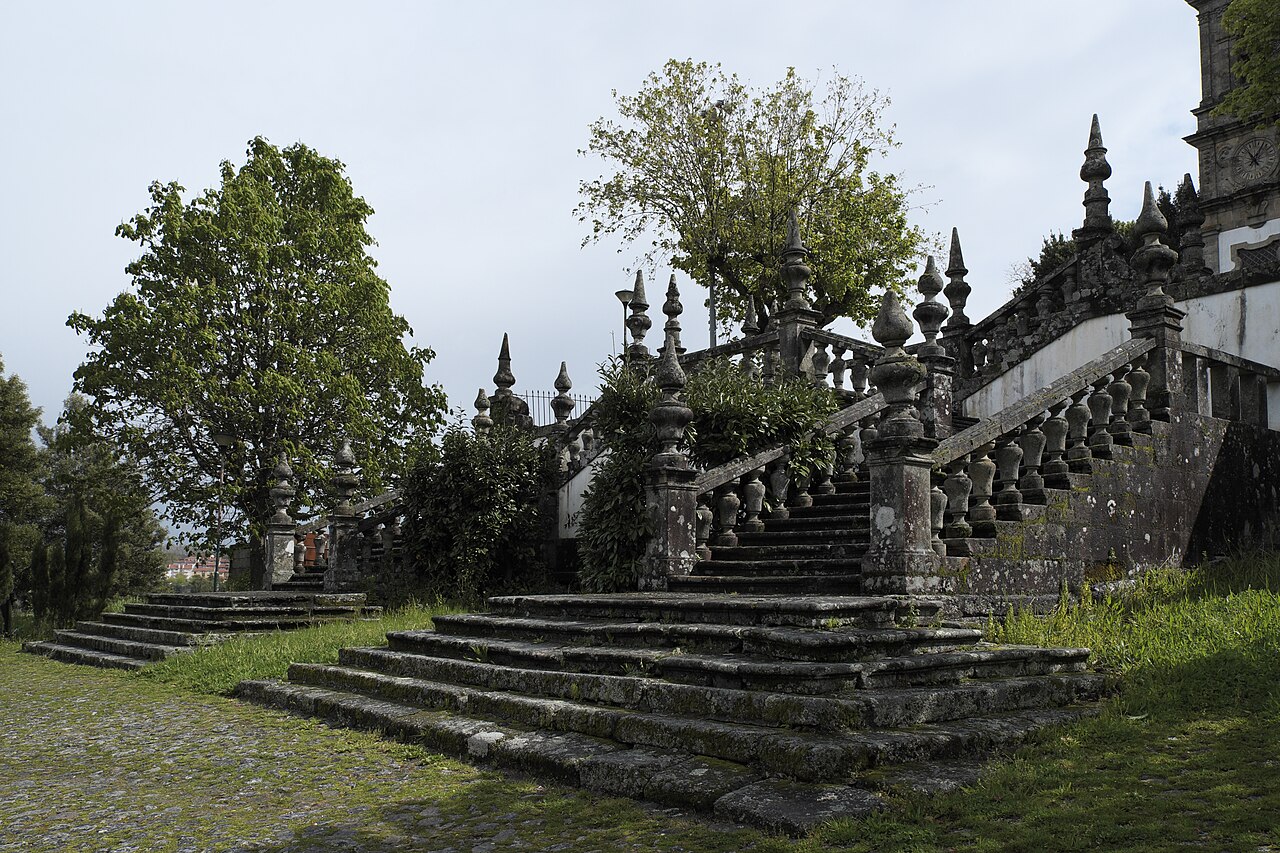
The monks of the north were pioneers of viticulture, and some monasteries still tell the story. A visit to the Mosteiro de Tibaes near Braga, with a wine tasting, links the architecture and the agricultural history of the region. Guimaraes also has wine tours and tastings in the town. Staying at a wine estate such as Casa de Sezim near Guimaraes lets you live the experience for a night.
When to go
Spring brings green vines and gentle weather. Summer is warm and perfect for terrace tastings. September and October are harvest season, with activity in the vineyards, though some estates are busy and may limit visitors. Winter is quiet, and cellars are still open for tastings by appointment.
Buying and shipping
Estate prices are usually good, and many wines are inexpensive even in restaurants. Bottles travel well in luggage if wrapped. If you want to ship wine home, ask the estate about shipping services, and check import rules for your country. Do not expect every label to be exported, and look for small-producer wines that rarely leave the region.
Planning a wine day
A simple plan from Braga is a morning visit to Tibaes, a lunch with Vinho Verde in a village restaurant and an afternoon tasting at a quinta, with a designated driver or a tour. From Guimaraes, combine the old town with a tasting in the countryside. Keep the day relaxed, drink water, and spit if you taste at several places. A wine day is a gentle way to see the landscape, meet producers and bring home a taste of the Minho.