Braga and the Minho are green because it rains, and the weather shapes the best time to visit. The Atlantic keeps temperatures mild, the mountains catch moisture and the seasons each have a different appeal. There is no bad time to come if you plan for the weather, but your priorities will decide which months suit you best.
Spring (March to May)
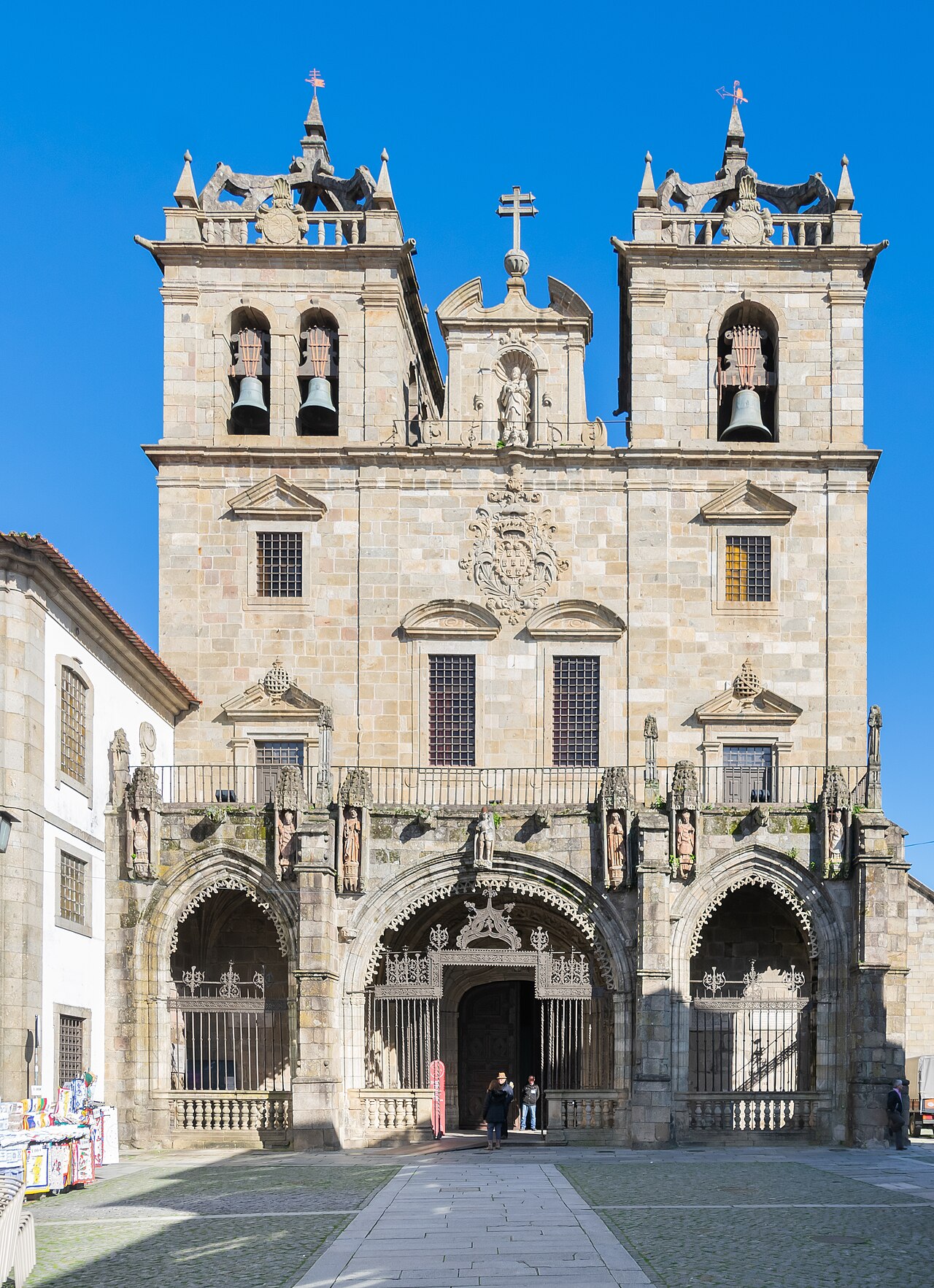
Spring brings fresh green hills, blooming camellias at Bom Jesus, strong waterfalls in the Geres park and comfortable walking temperatures. Rain is common, especially in March and April, so carry a light waterproof. Holy Week, usually in March or April, is the most important event in the Braga calendar. The processions, including solemn torchlit parades through the old town, draw pilgrims and visitors from across Portugal and beyond. It is an unforgettable experience, but accommodation is scarce and expensive, so book months ahead. Outside Holy Week, spring is quiet and ideal for sightseeing and hiking.
Summer (June to August)
Summer is warm, mostly dry and lively, with temperatures in the high twenties Celsius and occasional heat waves, particularly inland. The Sao Joao festival on the night of 23 to 24 June is the great party of the north, with street celebrations, food stalls, fireworks and traditional customs such as tapping neighbours with plastic hammers or garlic flowers. Braga celebrates with energy, and so do other towns. Summer is also the best time for swimming in the river pools and reservoirs of the Geres park, for kayaking on the Lima and for evening dining on terraces. Roads and popular waterfalls are busiest at weekends, so start early. Book accommodation ahead for June to August, and for harvest season at the end.
Autumn (September to November)
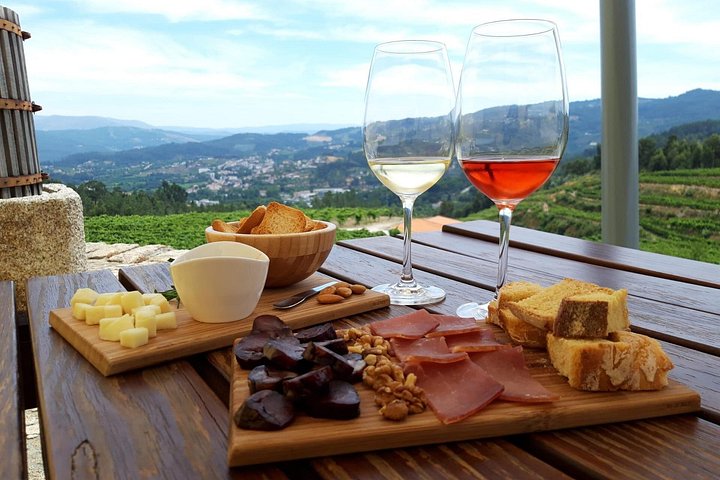
Many locals consider early autumn the best season. The weather remains warm in September, the crowds thin, the vineyards are busy with harvest and the hills turn gold and red. Rain returns in October and November, and the days shorten, but the cities remain pleasant, and the food, with chestnuts, new wine and game, is at its best. Harvest festivals and tastings are good reasons to visit wine estates. Hiking in Geres is excellent in autumn on clear days, with cooler temperatures and quieter trails.
Winter (December to February)
Winter is cool and often wet, with mist on the hills and occasional snow on the higher peaks of the national park. It is the quietest and cheapest season, ideal for museums, cathedrals, long lunches and spas. Braga decorates its streets for Christmas, with lights and markets that attract visitors from the region. Guimaraes celebrates the Nicolinas, a student festival, in early December. Some rural attractions and activities operate reduced hours or close, so check ahead, and mountain roads may be affected by snow or ice. Pack warm layers and waterproof shoes.
Weather basics
Expect cooler, wetter conditions than in Lisbon or the Algarve. The coldest months are December to February, with daytime temperatures often around ten to fifteen degrees Celsius. July and August are warmest, with occasional heat spikes. Rain falls mostly from October to April. In any season, a light waterproof jacket is wise, and layers help with hillside temperature changes.
Crowds and prices
Peak periods are Holy Week, the Sao Joao festival, the summer holidays and long weekends. Shoulder months of May, June before the festival, September and October offer the best balance of weather, access and price. Winter has the lowest rates and the quietest sights, though some activities shut down.
What to plan by month
For waterfalls and wildflowers, choose April to June. For swimming, late June to early September. For wine and food, September and October. For solemn processions, Holy Week. For quiet cities and low prices, January and February. Whatever the month, book popular tours and tastings ahead, check opening days, and keep a little flexibility in your plan to allow for weather. Finally, remember that local life continues through every season: markets, football matches, village festivals and family lunches fill the calendar, and joining one is often the highlight of a trip. Ask your hotel what is on during your dates, check whether any event affects opening hours, and keep one flexible day in your plan so that a clear spell after rain or an unexpected festival can reshape your itinerary for the better.