This region is one of the easiest places in Australia to travel with children. Beaches, animals and theme parks sit close together, and many of the best things are free or include shows in the entry price. Here is how to put them in order for different ages.
Start in Brisbane with free space to run
South Bank Parklands is the best first stop for families. The man-made lagoon at Streets Beach lets children swim without surf, there are playgrounds, shaded lawns and cafes, and the Wheel of Brisbane gives a short, gentle view over the river. Arrive in the morning to claim shade, and bring swimwear, a towel and sun protection. Nearby, the Queensland Art Gallery and the Gallery of Modern Art are free to enter apart from special exhibitions, and the galleries often run children's activities, so check the programme before you go.
Animals for every age
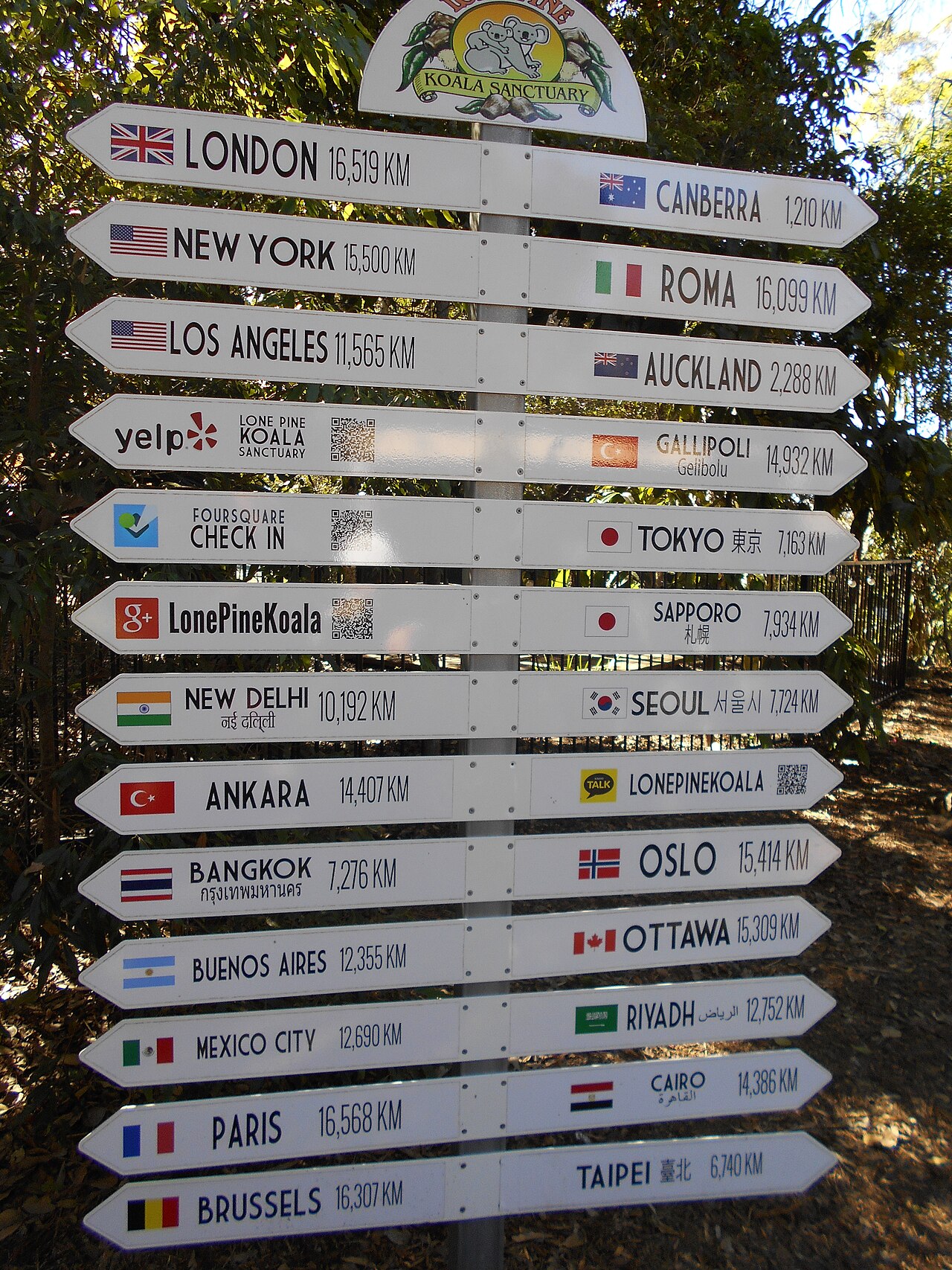
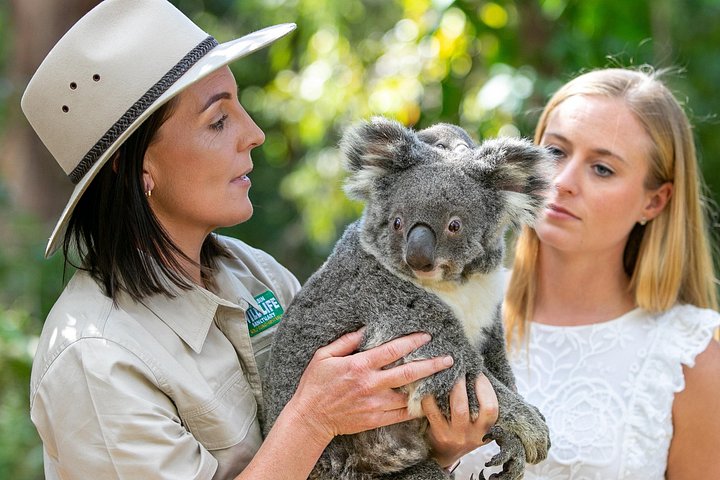
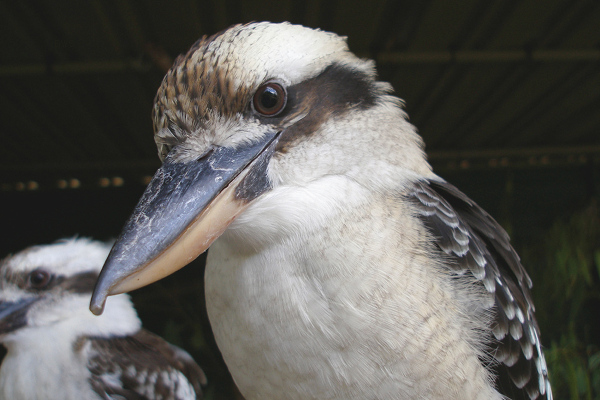
Lone Pine Koala Sanctuary is the Brisbane classic, with koalas, a walk-through kangaroo area and keeper talks, and you can reach it by river cruise for a longer outing. On the Gold Coast, Currumbin Wildlife Sanctuary includes free shows and keeper talks with entry, free lorikeet feeding and a splash zone called Wild Island for hot days, which makes it a very good value family day. Australia Zoo at Beerwah is a full day trip with crocodile feeding, tigers and a big range of animals, and is worth it for animal-mad children. Check the minimum ages for paid encounters before you book.
Theme parks by age
Sea World suits mixed ages best, with marine animals, shows and gentler rides in a waterfront setting. Warner Bros. Movie World has Looney Tunes areas and meet-and-greets for younger children and big coasters for teenagers. Dreamworld has the largest range, with a dedicated children's land as well as thrill rides, plus a wildlife area. Each ride has its own height rules, so measure your children and check the limits on the park's website before you set expectations. Go early, ride the headline attractions first and take a midday break in the shade.
Beaches and water safety
Always swim between the red and yellow flags on a patrolled beach, listen to the lifeguards and keep young children within arm's reach. On the Gold Coast, Surfers Paradise and Broadbeach have patrolled sand and plenty of cafes. For calmer water, the South Bank lagoon is the safe option in Brisbane. Apply sunscreen often, add rash vests and hats, and avoid the middle of the day in summer.
Nature and adventure
Older children enjoy the hinterland tour to Springbrook and Tamborine Mountain, with waterfalls, rainforest and glow worms, though a long day on a coach may be too much for toddlers. Check which trails are open at Springbrook, as part of the Purling Brook Falls circuit is closed from 2 November 2026 to 15 February 2028. Teenagers may enjoy the Moreton Island day with its dunes and snorkelling, the SkyPoint deck in Surfers Paradise or a kayak on the river.
Rainy-day plan
In the wet months, keep a few indoor options ready: the galleries at South Bank, the free City Hall clock tower tour for children who can manage the stairs and the limits on the tour, and the covered areas at the theme parks. Note that the clock tower is not air-conditioned and has age and accessibility limits, so read the notes before you book.
Where to stay
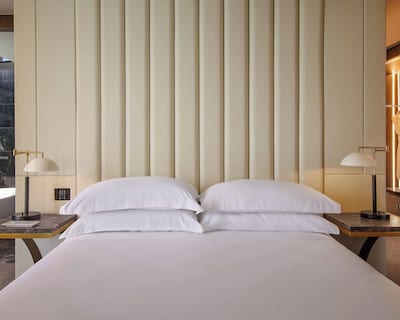
Families do well with apartment-style rooms and a pool. Emporium Hotel South Bank has suites next to the parklands, and Peppers Broadbeach offers one- and two-bedroom apartments with kitchens close to the beach and the light rail. The Point Brisbane Hotel in Kangaroo Point also has apartment-style rooms and is close to the river and the ferry terminal.
Eating with children
Cafes in South Bank and along the Gold Coast foreshore are used to families and usually offer children's menus, while the parks sell meals at a premium. Many parks allow you to bring a refillable bottle, so check the rules, and packing snacks saves money and tempers. Picnic areas at South Bank and Mount Coot-tha make easy lunches, and the free barbecues found in many Queensland parks are a local favourite.
Practical tips
Book timed tickets ahead in school holidays, carry water and snacks, and allow slow days between the big ones. Children tire quickly in the heat, so build in pool time and afternoon rests.