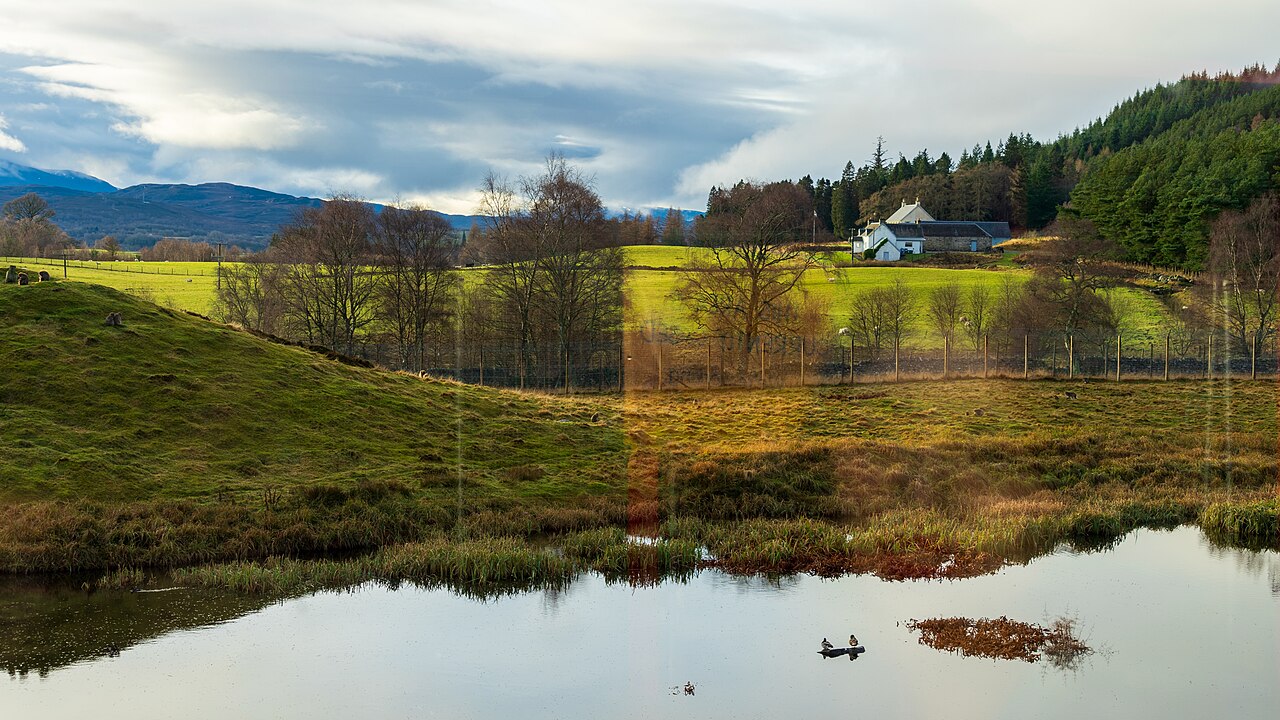
Winter turns the Cairngorms into the most Arctic landscape in Britain, and it is a season many visitors never experience. Days are short, the weather is serious and the pace is slower, but the park is beautiful and quieter than in summer. This guide explains what to expect and how to do it safely.
What winter looks like
From late autumn the high plateau can hold snow, and by midwinter the glens may be white, lochs partly frozen and forests silent. Daylight is limited, with sunrise late and sunset early, so plan activities for the middle of the day. Snow cover varies enormously from year to year, so treat any winter trip as weather-dependent. The pleasure comes from being flexible rather than expecting a postcard every day.
Snow-sports
Cairngorm Mountain is the main ski area on the Strathspey side, with lifts, runs and lessons for beginners when snow allows. Glenshee, further south near Braemar, offers another option. Both depend on snowfall and wind, and lifts may close when conditions are poor, so check snow and operating reports before you travel. Equipment hire and lessons are available, and booking ahead is wise for weekends and holidays.
Animals in the snow
The reindeer hill trip is at its most magical when the herd is down on lower pastures and the hillside is white. The Cairngorm sled-dog kennels run snow rides when conditions allow and wheeled rigs otherwise. The Highland Wildlife Park keeps its cold-country animals active in winter, with polar bears and snow leopards often at their liveliest. Dress for it: thermal layers, waterproof outer layers, insulated boots and gloves.
Heritage and cosy days
Winter suits indoor and low-level experiences. Take a tour at the Dalwhinnie distillery, enjoy a gin tasting in Aviemore, or spend an afternoon in a village inn by the fire. The Strathspey Railway runs special trains at certain times, so check the calendar. Castles such as Balmoral and Braemar are often closed or restricted in winter, so confirm opening before travelling.
Mountain safety
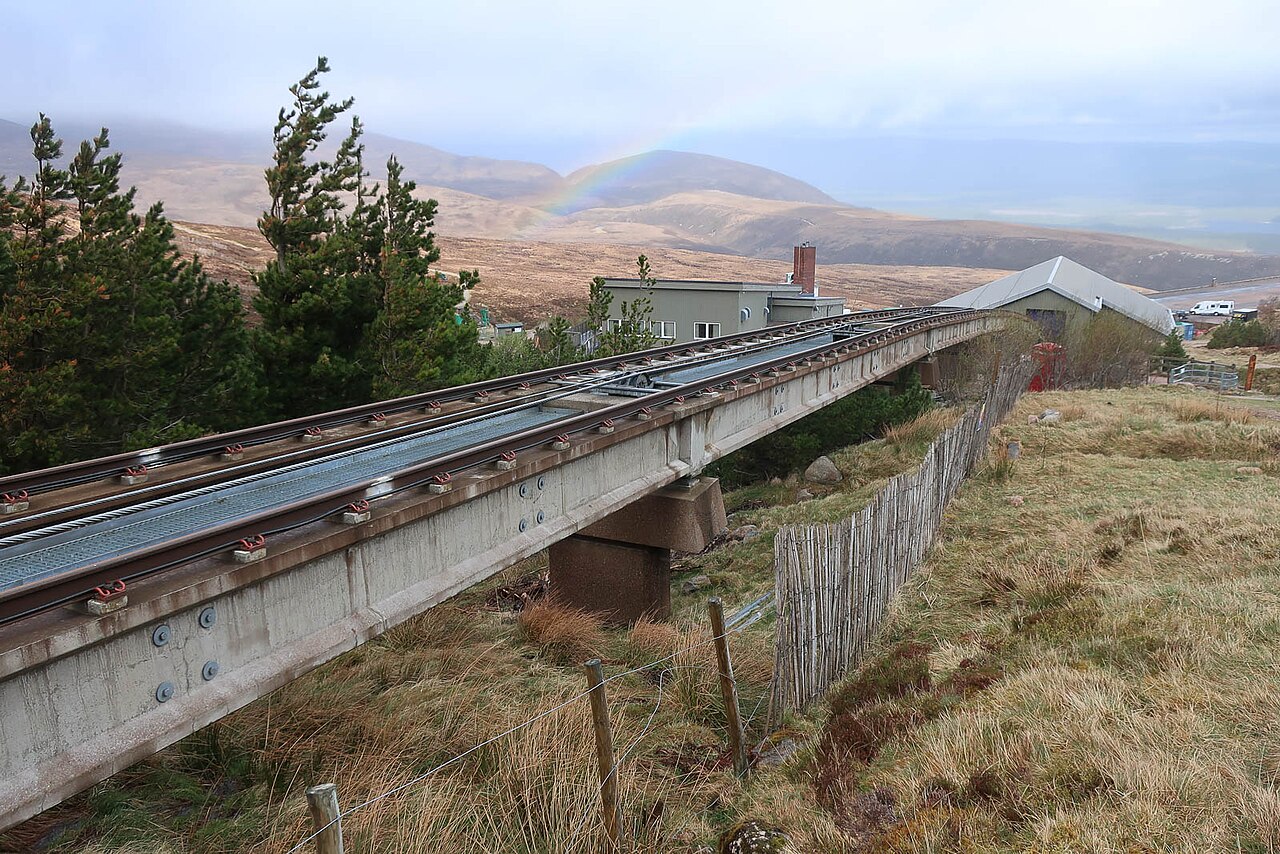
The high Cairngorms in winter are a serious mountaineering environment. Avalanche risk, whiteout, extreme wind chill and short daylight can catch out even experienced walkers. Do not go onto the plateau without winter skills, ice axe, crampons, navigation ability and a forecast check. If you are not qualified, book a guided winter walking or mountaineering day with a qualified mountain guide, and always tell someone your plan. The funicular does not give general access to the plateau, so treat it as a viewpoint.
Driving
Roads can be icy or closed, particularly the Cairnwell Pass between Braemar and Glenshee and minor roads in the glens. Carry a scraper, warm clothes and a charged phone, drive slowly and allow extra time. Fuel up in Aviemore before heading to remote areas, and check road reports before departure.
Clear skies
Winter nights offer some of the darkest skies in the UK, particularly on the eastern side of the park around Tomintoul and Glenlivet, which holds Dark Sky Park status. On clear nights, you may see the Milky Way, and with luck the northern lights make an occasional appearance. Wrap up warmly and bring a flask.
The bottom line
Winter is not the easy season, but it rewards visitors who come prepared and flexible. Choose a base with drying space and good heating, such as a lodge or forest hotel, book guided activities where skills matter, and keep a backup plan for each day. You may see the Cairngorms at their most dramatic.
What to pack
Thermal base layers, a mid-layer fleece, a windproof and waterproof shell, insulated waterproof boots with good grip, warm socks, a hat that covers the ears, and gloves with a spare pair are the essentials. Add sunglasses or goggles for bright snow, sunscreen, a flask and hand warmers. Carry a head torch because dusk arrives early, and keep a small emergency kit in the car, including a blanket, food and a charged power bank. With the right kit, winter days outdoors are comfortable and often glorious.
Where to base
Choose accommodation with proper drying space and reliable heating, and ask about parking, since snow clearing varies. Forest hotels and lodges near Glenmore shorten the drive to the ski road, while village inns give a cosy, quiet atmosphere for evenings. Whichever you pick, build slack into every day so a closed road or a stalled lift does not spoil the whole trip.