The Cairngorms can feel enormous on a map, because the national park covers more than four thousand square kilometres, but a first visit becomes simple once you see it as three zones and a short list of headline experiences. This guide gives you the shape of the place, the bookings worth making early and the mistakes that cost visitors time.
The three zones
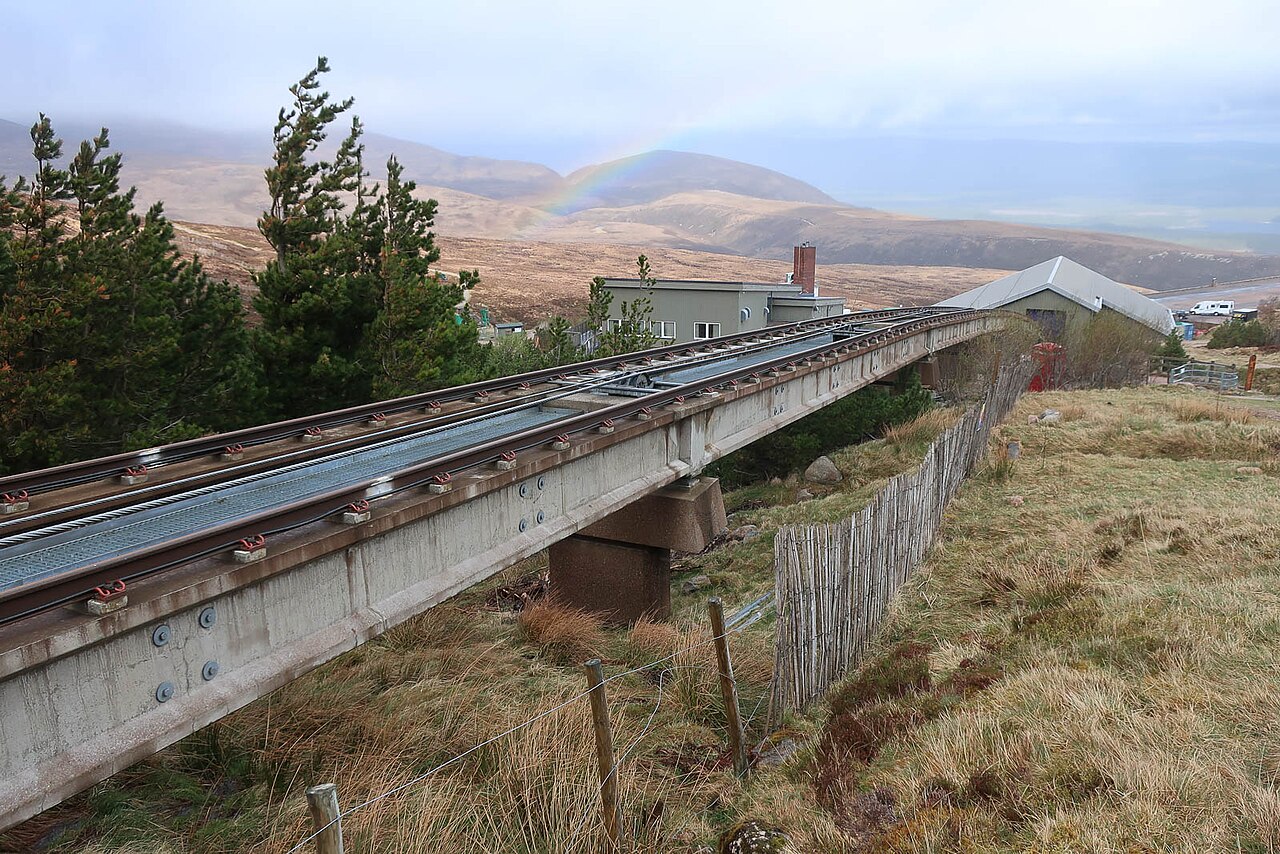
The first and busiest is Strathspey, the valley around Aviemore, Glenmore and Rothiemurchus. It holds the reindeer herd, the steam railway, Loch an Eilein, Loch Morlich and the funicular, so most first trips start and finish here. The second is Badenoch to the south-west, around Kingussie and Newtonmore, where Ruthven Barracks, the Insh Marshes and the Highland Folk Museum sit in a quieter, broader valley. The third is Royal Deeside and Braemar to the east, a granite-and-heather landscape that includes Balmoral Castle and Braemar Castle. Distances look short but roads are slow, so give each zone its own day rather than trying to cross the park twice.
What to book ahead
A handful of experiences have limited places and are worth securing before you travel. The Cairngorm reindeer hill trip runs on a set schedule with small groups and sells out in school holidays and around Christmas. The Highland Wildlife Park is happy with walk-up visitors on quiet days but weekends and holidays are busier. Guided mountain days, whether Ben Macdui or a private walk, depend on guide availability and weather. The Strathspey Railway, the osprey centre and the castles run seasonal patterns, so check dates rather than assuming they are open.
The five-experience first visit
If you only have a couple of days, the classic selection is the reindeer hill trip, a morning at Loch an Eilein with its island castle, an afternoon on the Strathspey Railway or at the Highland Wildlife Park, and a clear-weather ride on the Cairngorm funicular. That combination covers wildlife, forest, heritage and mountain views without a single hard hike. Add a Ryvoan Pass walk to the Green Lochan if you want a short taste of the hills.
Weather and clothing
The Highlands reward preparation. Carry a waterproof jacket in every month, wear boots or sturdy shoes for forest paths, and pack layers even in summer, since the high ground can be ten degrees colder than the valley. Midges appear on still, damp evenings from late spring to early autumn, so bring repellent or a head net. In winter, check road conditions, carry warm gloves and a hat, and allow extra time for driving.
Getting around
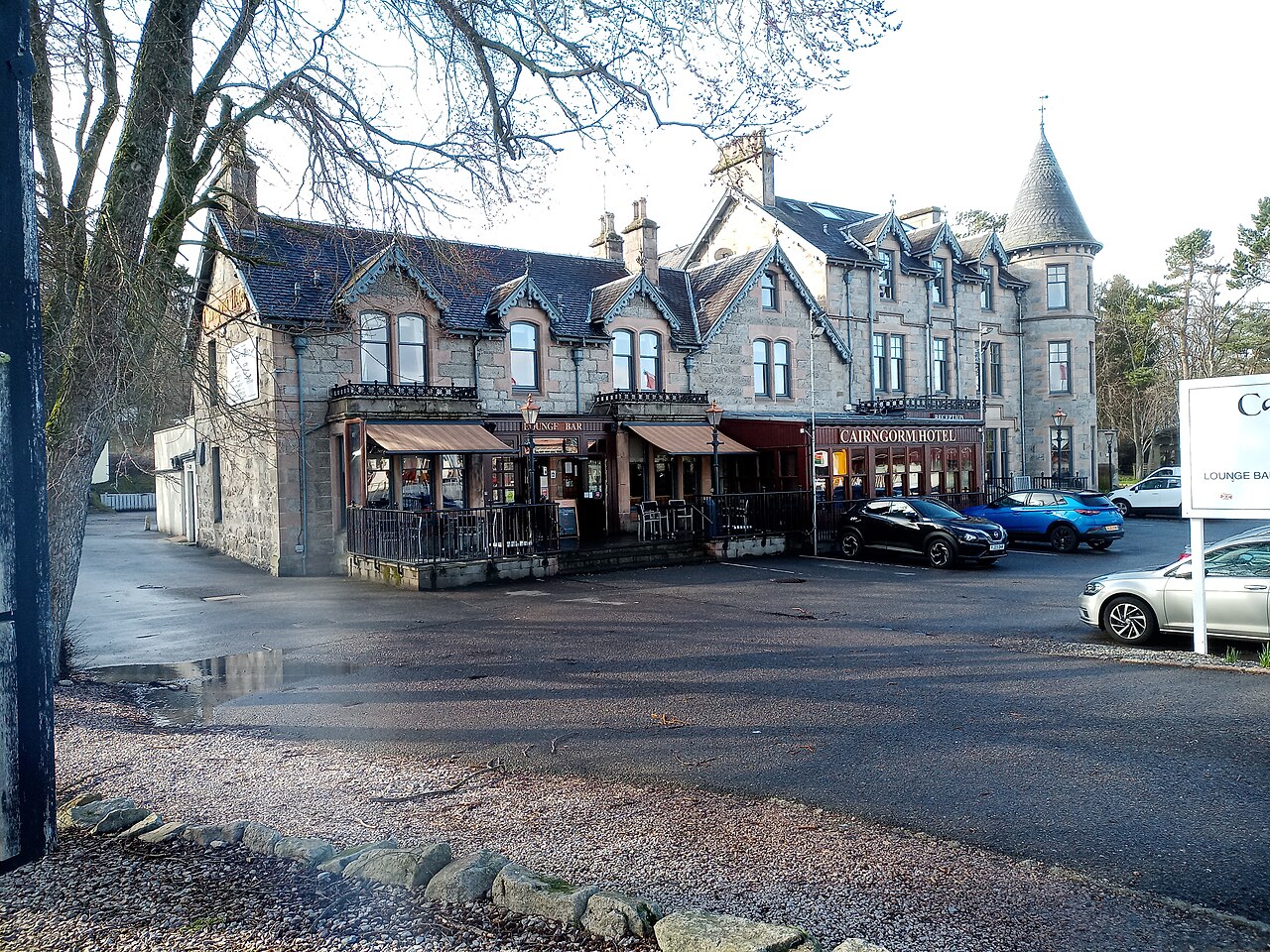
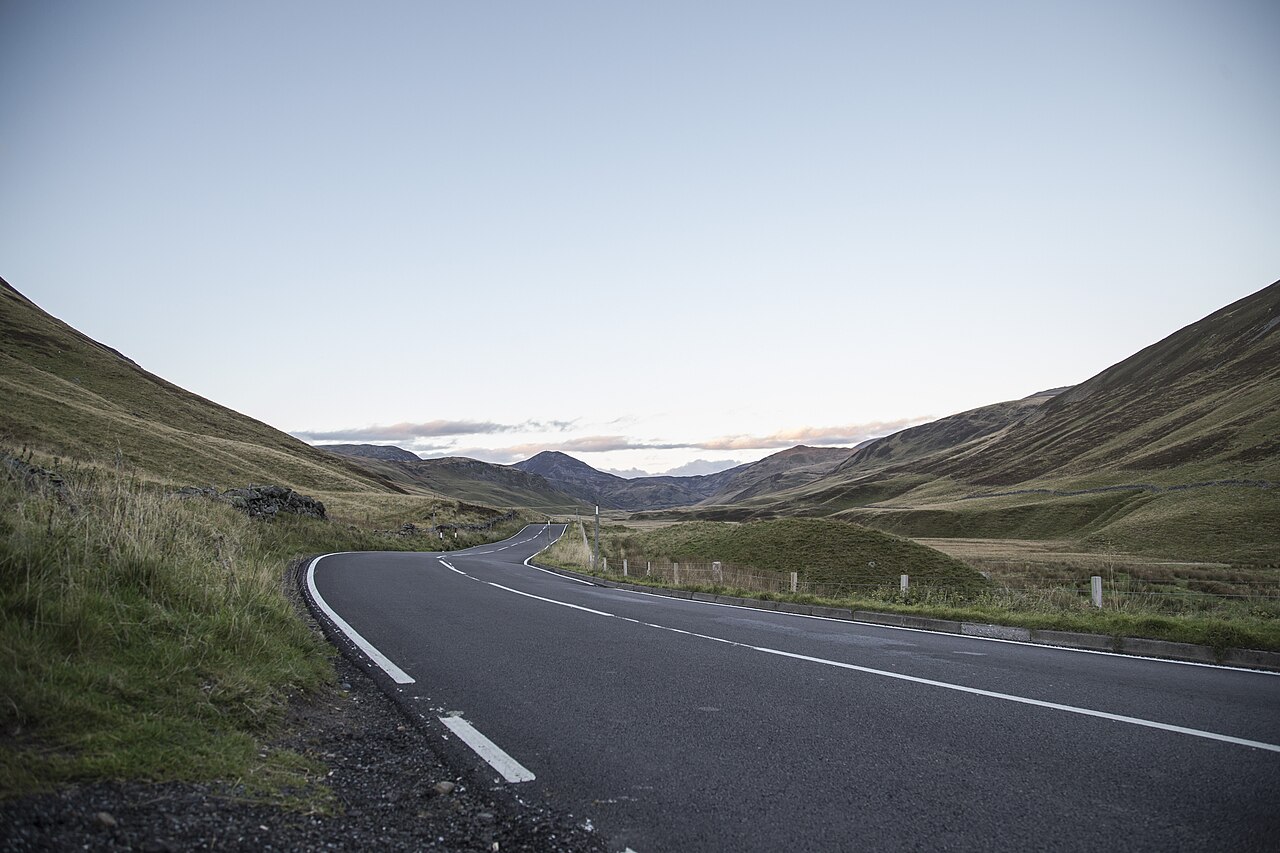
A car gives the most freedom, especially for Deeside and the glens. Without one, Aviemore is workable: trains run to Inverness and the south, buses serve Glenmore and Cairngorm Mountain, and a town-centre hotel keeps most things within walking distance. Taxis and private tours fill the gaps. Roads are often single track with passing places, so be patient, pull in to let faster traffic pass, and never park in a passing place.
Etiquette and access
Scotland has generous rights of access to the outdoors, but they come with responsibilities. Close gates, keep dogs under control near livestock and ground-nesting birds, take rubbish home, and avoid disturbing wildlife such as capercaillie in the breeding season. Wild camping is allowed in many places but has restrictions in popular areas such as Glenmore, so check local rules. Lighting fires is a real wildfire risk in dry spells, so use stoves instead.
Choosing where to stay
Aviemore suits first-timers because it has the most choice, from woodland lodges to town-centre hotels, and it is close to the main attractions. Coylumbridge or Glenmore puts you inside the forest. Boat of Garten, Grantown-on-Spey and Kingussie offer quieter village stays, and Ballater or Braemar suit a Deeside-focused trip. Book early for school holidays, Christmas and the Braemar Gathering in early September.
A note on scope
This market focuses on the Cairngorms and the areas around them. Loch Ness, Culloden, Inverness and Speyside whisky tours are better covered from Inverness, and Skye has its own guide. If your trip combines those, treat the Cairngorms as the high, quiet part of a longer Highland route, and allow at least two nights to do it justice.
The takeaway
Do not try to see everything. Choose a base, book the reindeer and any guided day, leave one day open for weather, and let the forest and the light do the rest. Most visitors who stay three or four nights say the same thing afterwards: they wish they had allowed one more.