The Cairngorms hold a remarkable share of Britain's rarest wildlife, thanks to the combination of ancient pine forest, wetlands, moorland and arctic-alpine tundra. Seeing it takes patience and some knowledge of where to go, but the rewards are real. Here is a practical guide.
Reindeer
The Cairngorm herd is the only free-ranging reindeer in Britain, reintroduced in 1952 and looked after by herders at Glenmore. The guided hill trip is the dependable way to meet them, with small groups, feeding and plenty of questions. Book ahead and wear sturdy shoes. Winter gives the most dramatic setting, but the experience works in every season.
Ospreys
These fish-eating raptors returned to nest at Loch Garten in 1954, and the RSPB osprey centre is the best place to watch them from spring to late summer. Telescopes and camera views bring the nest close, and staff explain what is happening. Arrive early for activity, bring binoculars and combine the visit with a loch walk or the Strathspey Railway to Boat of Garten.
Red squirrels and woodland birds
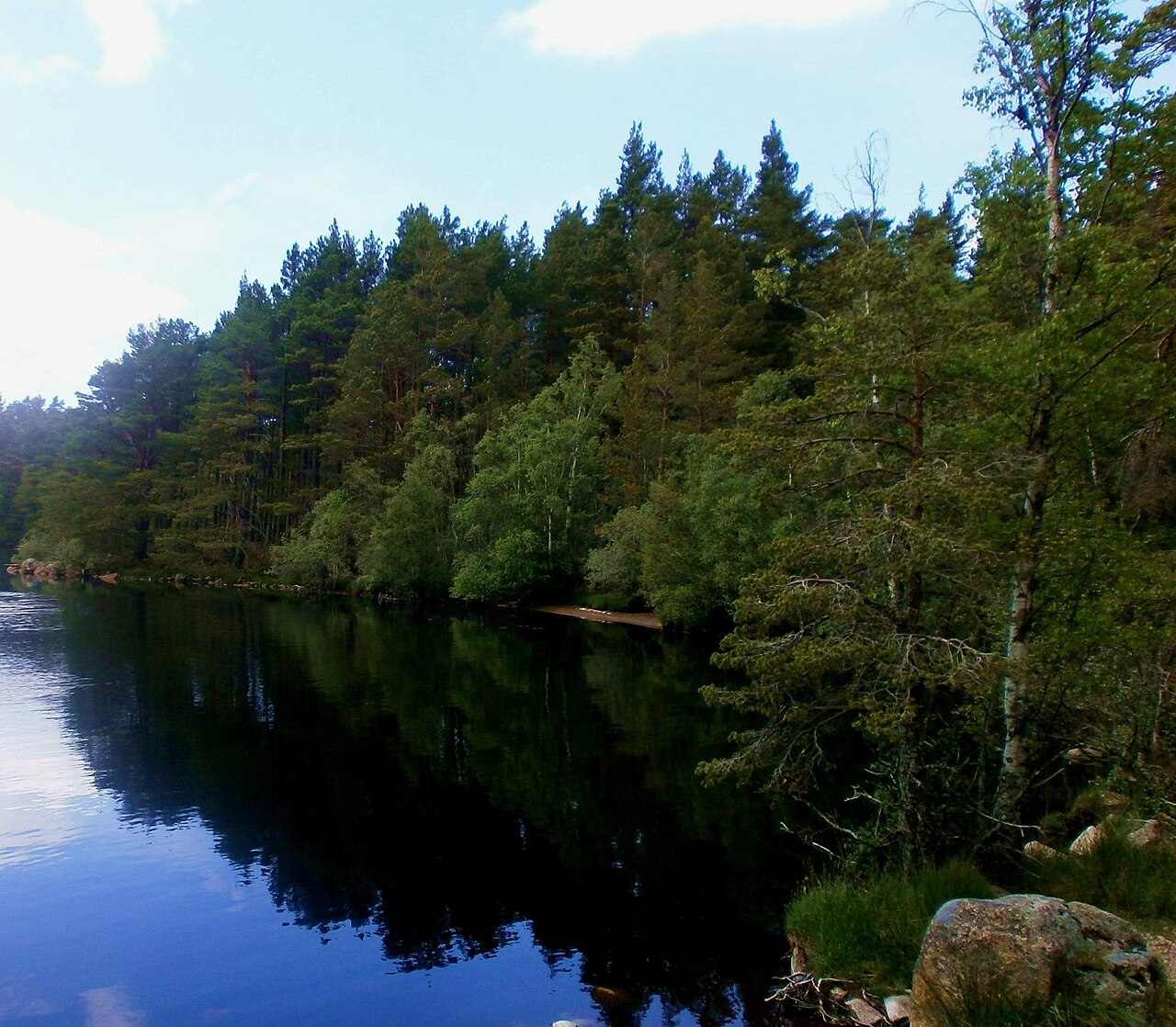
The Caledonian pine forests of Rothiemurchus and Abernethy are strongholds for red squirrels, crested tits, Scottish crossbills and treecreepers. Walk the Loch an Eilein circuit early in the morning, move slowly and listen. Red squirrels often visit feeders near the visitor areas, and crested tits are often heard before they are seen. Spring mornings are particularly rewarding.
Capercaillie
This huge woodland grouse is one of Britain's rarest birds and very sensitive to disturbance. It lives in old pine forest and is most active in spring, when males display. Do not try to find it on your own. Keep to paths, follow seasonal signs and dog restrictions, and consider a guided dawn trip with an expert. The forest estates and the RSPB offer information about responsible viewing.
Mountain birds and mammals
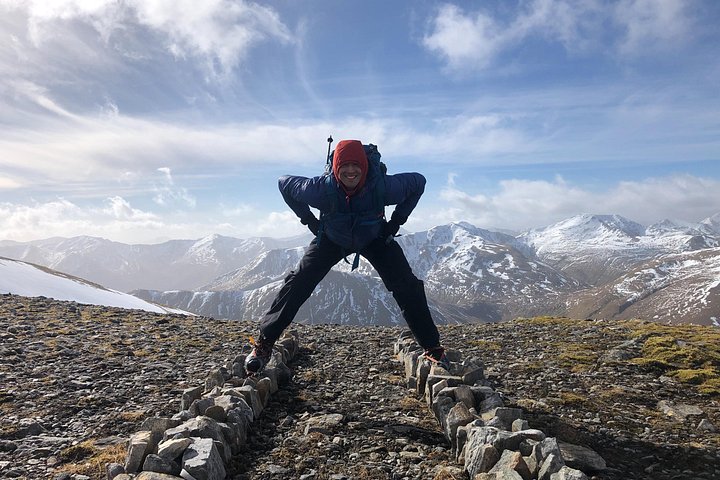
On the high ground you may see ptarmigan, dotterel, snow bunting and golden eagles, along with mountain hares, which turn white in winter. A guided hill day is the best way to see them safely, because experts know where to look and how to avoid disturbance. Red deer are widespread, and the autumn rut fills the glens with sound.
Scottish wildcats and other rarities
The Highland Wildlife Park is the place to see Scottish wildcats in a protected setting, alongside pine martens and other native species. These animals are very rare in the wild, and the park's role in breeding and conservation is part of the story. The park also displays cold-country species from elsewhere, including polar bears, snow leopards and tigers.
Wetlands and rivers
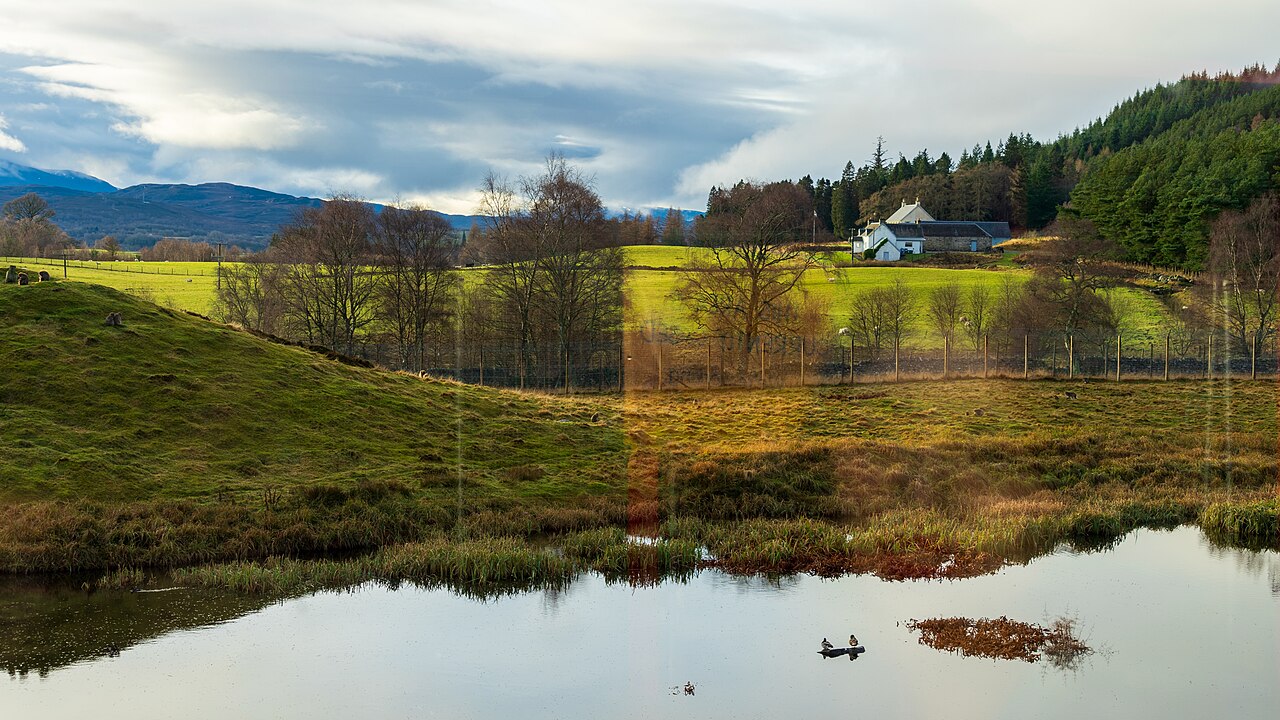
The Insh Marshes near Kingussie are a major RSPB reserve, with waders, wildfowl and, in winter, large numbers of swans and geese. Rivers such as the Spey and Feshie support salmon, otters and dippers, and quiet riverside walks can reveal kingfishers and grey wagtails. Dawn and dusk give the best chances.
Watching responsibly
Keep a respectful distance, never feed wild animals, keep dogs on leads near ground-nesting birds and livestock, and avoid nesting sites. Stay on paths in breeding seasons, use binoculars rather than approaching, and take litter home. Choose licensed guides who follow wildlife codes.
Putting it together
A good wildlife trip combines a reindeer hill trip, a morning at the osprey centre, a forest walk for squirrels and crested tits, a day at the Highland Wildlife Park and, for the fit, a guided hill day for mountain species. Spring and early summer give the broadest range, autumn the rut, and winter the reindeer in snow. Pack binoculars, patience and warm layers.
Photography and patience
Good wildlife pictures in the Cairngorms come from patience and light rather than expensive equipment. Arrive early, stand still, and let animals become used to your presence. Use a long lens if you have one, but a modest zoom can capture squirrels, deer and birds at hides. Respect the rules at nesting sites and never use playback or bait. Keep a notebook of what you see, because the pleasure of finding rarities grows with each outing, and ask local guides and rangers for current information on sightings.
Where to start
If you only have one day, join the reindeer hill trip in the morning, walk the forest at Loch an Eilein at midday for squirrels and woodland birds, and finish at the Highland Wildlife Park or the osprey centre depending on the season. That simple sequence covers the iconic species and teaches you the habits of the forest before you try anything more ambitious.