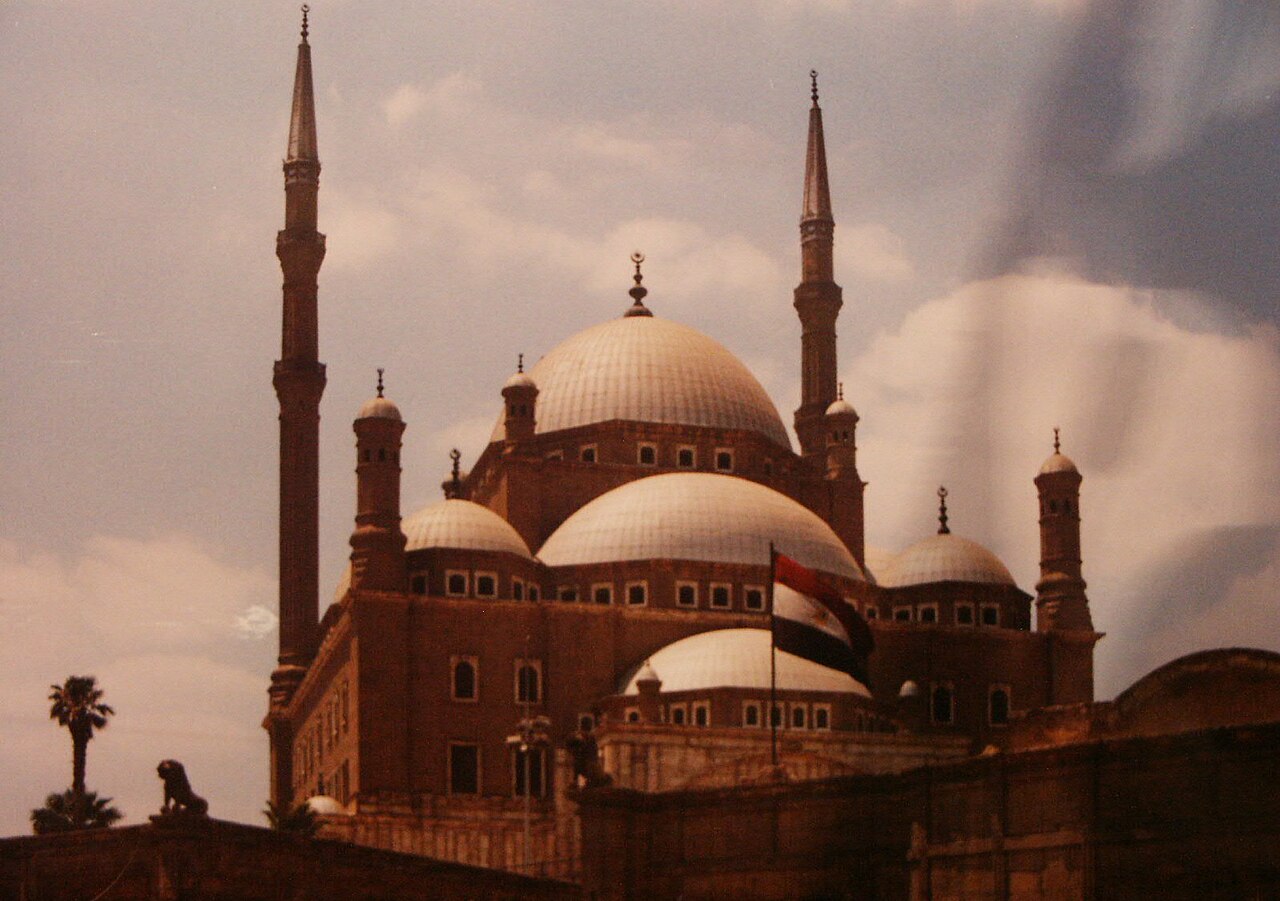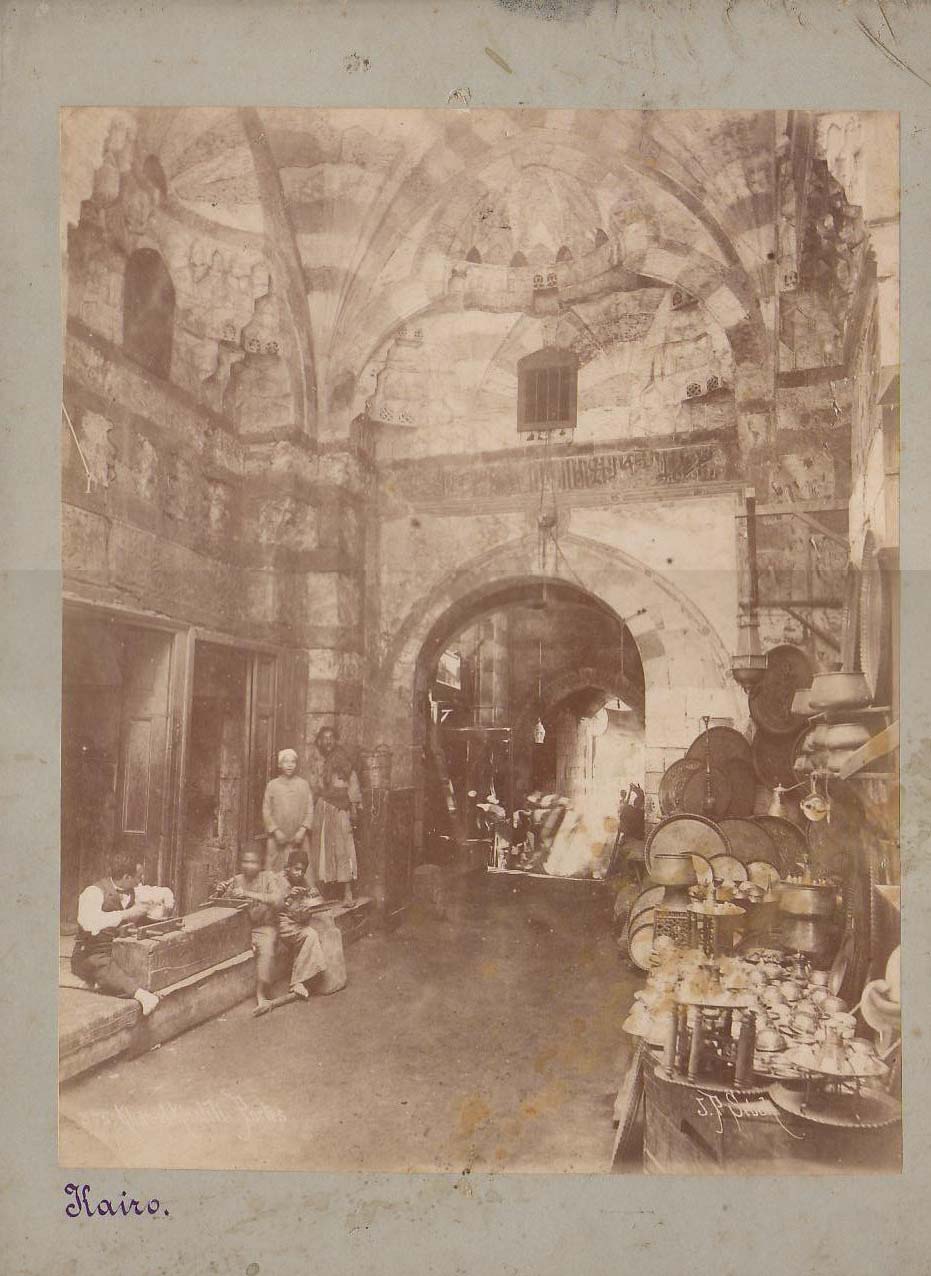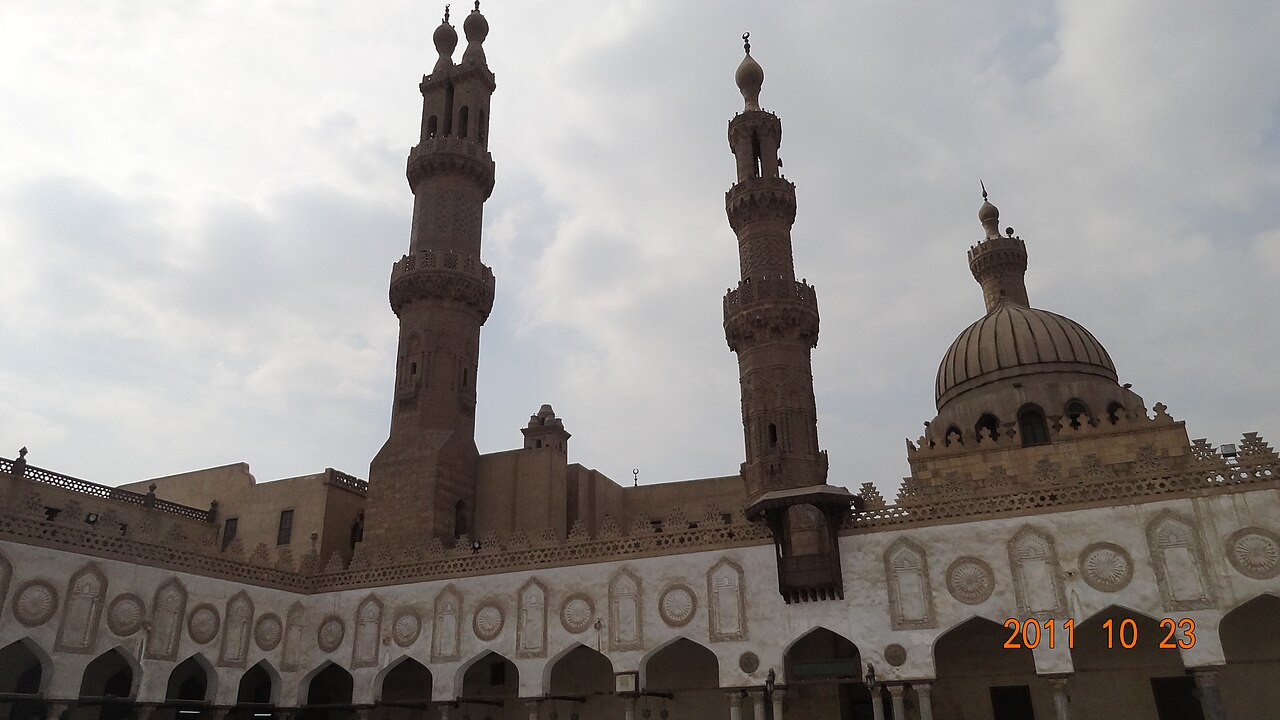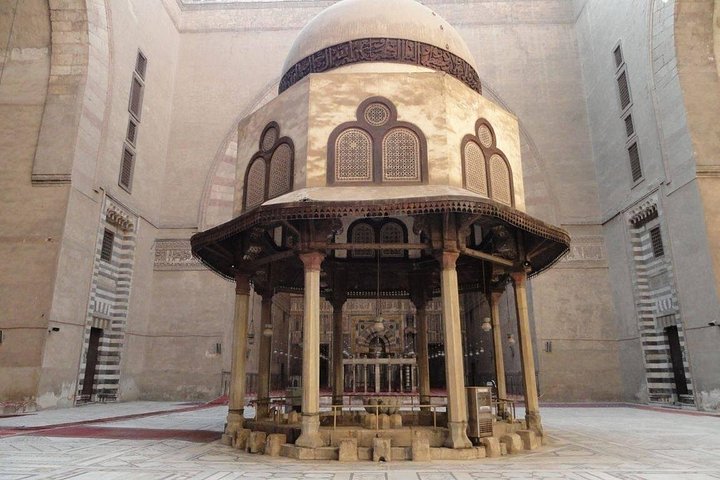
Cairo has been called the city of a thousand minarets, and the best way to understand why is to spend a morning among its historic mosques. Islamic Cairo, the medieval core east of downtown, preserves a remarkable collection of religious buildings from the ninth to the nineteenth centuries: the austere, open courtyard of the Mosque of Ibn Tulun, the soaring portals of the Sultan Hassan complex, the Mamluk domes and the ornate modern sanctuary of Al-Rifai. A guided half-day tour links them in a logical order, explains the changes in architecture and gives you the context that is hard to pick up alone, from the meaning of the mihrab to the stories of the sultans who built them.
How it works
A guide collects you or meets you at a central point, and you visit several mosques and madrasas by car and on foot over about half a day. Most tours include the entrance fees and lunch only if stated, so check the inclusions. Mosques are active places of worship, so visits fit around prayer times, and some close to visitors on Friday midday.
What to expect
Marble courtyards, carved wooden minbars, geometric tilework and calls to prayer echoing across the rooftops. Visitors remove shoes at the entrance of prayer halls, and the dress code is modest: covered shoulders and knees for everyone, and a head scarf for women in some mosques. Climbing a minaret, where permitted, rewards you with a view across the city. Expect crowds in the bazaar lanes between sights and some uneven pavements.
Making the most of it
Start early, when light is soft and the streets are quiet, and carry a small bag for your shoes. A guide helps you tell the building periods apart, from Abbasid simplicity to Mamluk ornament. The tour combines naturally with the Citadel, Al-Muizz Street and the Khan el-Khalili bazaar, so consider whether you want to see those in the same day or save them for another. Bring a scarf, sunscreen and water, and keep small notes for tips and donations.
Good to know
A good guide helps you see the layers of the city. The Mosque of Ibn Tulun, completed in 879, is one of the oldest in Cairo and is known for its spiral minaret and vast courtyard, while the Sultan Hassan complex, built in the fourteenth century, is famed for its enormous portal and four-iwan plan. The ornate Al-Rifai Mosque, finished in the early twentieth century, is the resting place of royal family members and the last Shah of Iran.
Opening hours, ticket arrangements and which mosques admit visitors vary, and some charge small fees for entering or climbing a minaret. Your guide will adjust the order of visits around prayer times. Bring a light scarf or shawl, socks if you dislike walking barefoot on carpets, and a small bag for your shoes. Lunch in a nearby cafe is an easy way to break up the tour and rest your feet.
Who it suits
Anyone curious about architecture, calligraphy and the story of medieval Cairo. It is a gentle introduction to Islamic art for beginners and still rewarding for those who know the period, and it pairs well with an afternoon of rest after the busy morning.
What to expect
The experience
A guided half-day walking and driving tour of the main historic mosques and madrasas of Islamic Cairo.
Best time
Morning, outside prayer times and Friday midday.
How long
About four hours.
Tips
Dress modestly, carry a scarf for women, wear shoes that slip off easily and expect to remove them at prayer halls.
Quick picks
- Best for
- Architecture and history lovers.
- Families
- Fine for older children interested in history; the pace is steady and covered shoulders are required.
- Couples
- A rich cultural morning followed by lunch in the old city.
- Pair with
- The Citadel, Al-Muizz Street or Khan el-Khalili.
- Time needed
- Half a day.
Good questions
Which mosques are usually included?+
Itineraries vary, but commonly include Ibn Tulun, Sultan Hassan and Al-Rifai, with others depending on the route. Check the tour description.
What should I wear to visit a mosque?+
Clothing that covers shoulders and knees, and a scarf for women in some mosques. You remove your shoes before entering prayer halls.
Can non-Muslims enter the mosques?+
Yes, at the hours set for visitors, outside prayer times, and following the dress code.
Is a guide necessary?+
It is not required, but a guide adds a lot of context and handles access and timing.
What else is nearby?+
The Citadel, Al-Muizz Street, Al-Azhar and the Khan el-Khalili bazaar are all within a short ride.