Cambridge is a city of students and academics, which shapes its food in useful ways. You will find historic pubs that have fed generations of scholars, bakeries that open early, a daily market, a good run of independent cafes and a handful of grander dining rooms for celebrations. The centre is small, so you are rarely more than a few minutes from somewhere good. This guide explains how to eat well without losing time, and how to fit meals around the sights.
Start with a pub
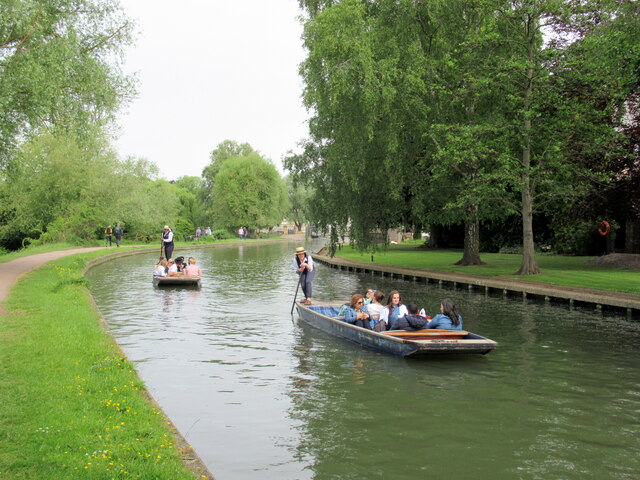
Cambridge pubs are part of the story, and several are worth visiting for the history alone. The Eagle on Bene't Street is the best known, because it is the pub where Francis Crick and James Watson are said to have announced their discovery of the structure of DNA in 1953, and its back room still has airmen's graffiti from the Second World War. Others to look for include the Anchor and the Mill beside the river, where you can sit on the grass and watch punts pass, and the Pickerel Inn on Magdalene Street, often described as one of the oldest in the city. Menus change, so check opening times and food service before you go, and expect them to be busy on summer evenings.
Bakeries and breakfast
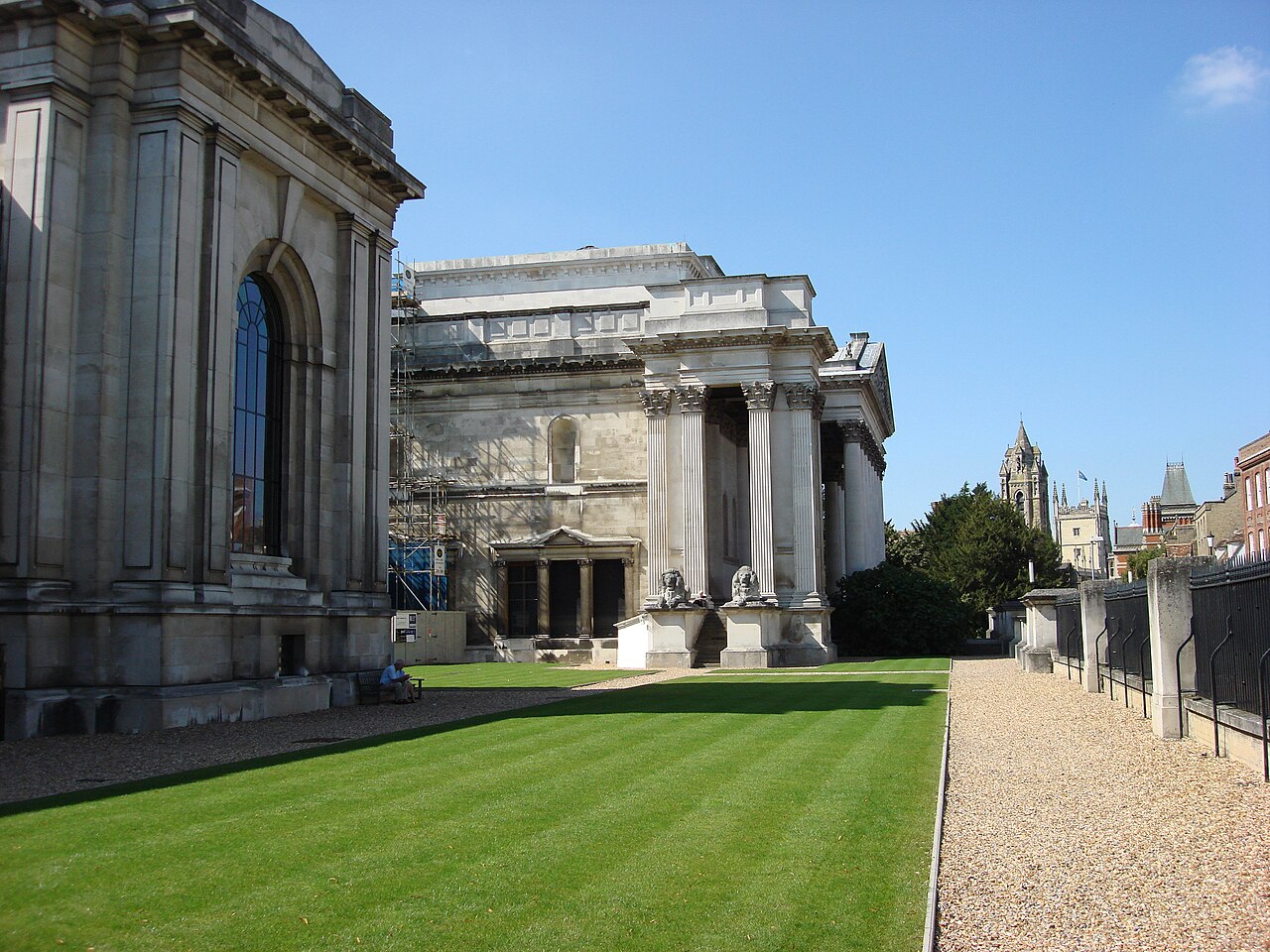
A good morning in Cambridge begins with a Chelsea bun or a pastry. Fitzbillies on Trumpington Street is a local institution known for its sticky Chelsea buns, and independent cafes around the Market Square and Mill Road serve flat whites, eggs and sourdough. If you are heading to the Fitzwilliam Museum or the Wren Library, a bakery stop on Trumpington Street is an easy detour. Many hotels offer breakfast for an extra charge, so compare it with the cafes nearby.
The Market Square
The Market Square has been the centre of trade for centuries, and the stalls are a convenient place to buy lunch. Expect street food, sandwiches, fruit, cheese, bread and baked goods, with the busiest days at the weekend. The stalls are an inexpensive way to eat well between a morning of colleges and an afternoon on the river. Hours and stall mix vary through the week and the year, so treat it as a place to browse rather than to plan a long meal.
Lunch around the sights
The streets around King's Parade, Trinity Street and St John's Street hold cafes, sandwich shops and tea rooms that suit a short lunch. For a sit-down meal, look along Bene't Street and Market Hill. Near the Fitzwilliam, Trumpington Street has several places for a coffee or a light lunch, and the museum's own cafe is a pleasant option. If you are going on a punt or a guided tour at a set time, eat early, because queues form at noon.
Afternoon tea and special dinners
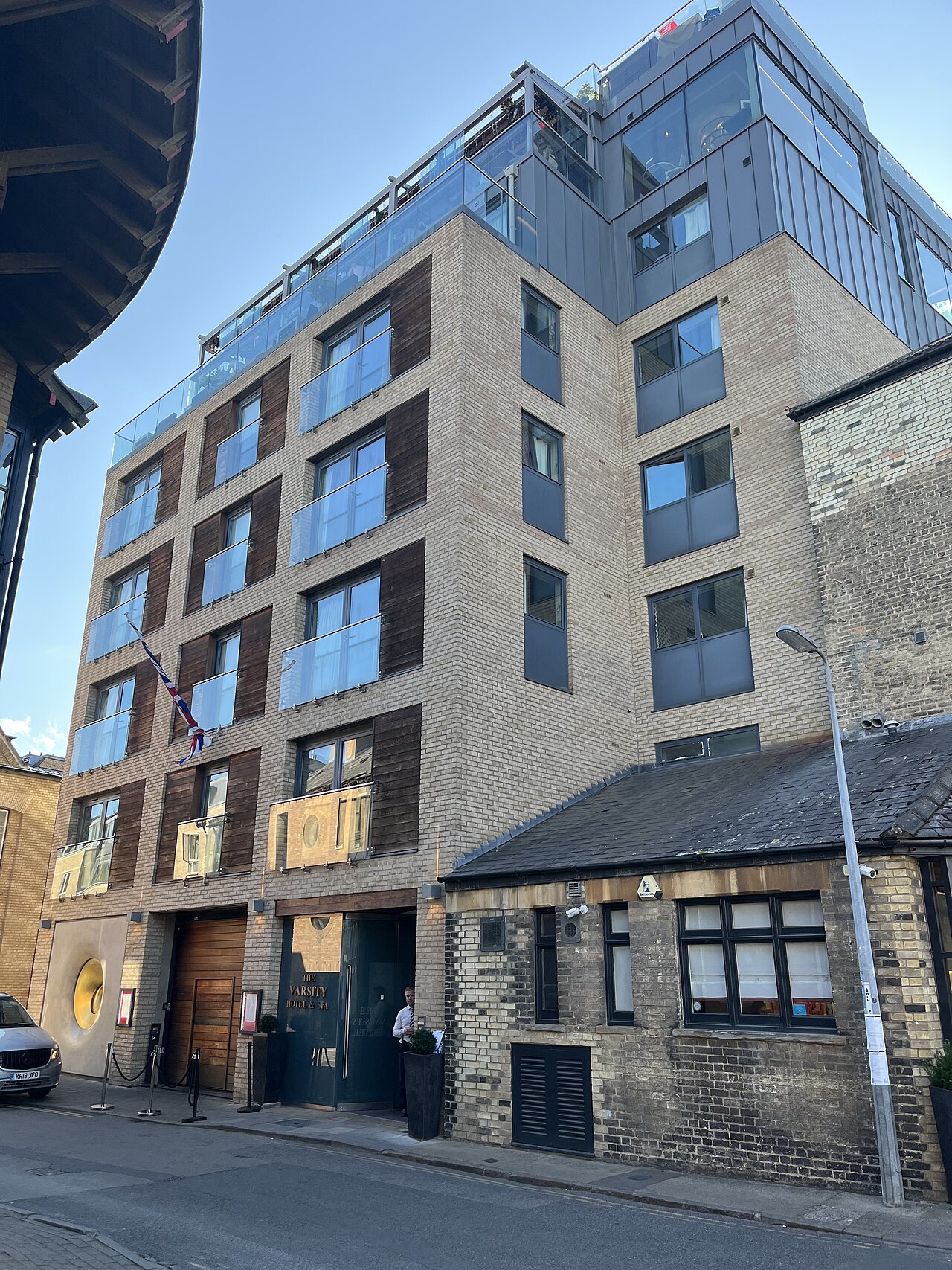
Afternoon tea is a lovely way to rest between sights, and several central hotels serve it, including the University Arms and the Varsity, which also has a rooftop terrace for drinks. For a celebratory dinner, hotel restaurants and the grander dining rooms around the centre take bookings, and it is wise to reserve in advance at weekends and during graduation. Many colleges also run dining events, but these are usually for members and guests, so do not rely on them.
Practical tips
Book tables in advance for Friday and Saturday dinners and around graduation season, when the city fills. Check if a restaurant is closed on Mondays or Sundays, because many independent places keep their own hours. Vegetarian and vegan choices are widely available, and most places can adapt dishes for allergies if you tell them in advance. If you are on a budget, make lunch your main meal, buy picnic food at the market and enjoy it on the Backs or Jesus Green, and save the pub for one good evening.
Where to stay for food
The Market Square and Guildhall Street put you among cafes and restaurants, so the Premier Inn City Centre and the Hilton are well placed. The Varsity has its own rooftop bar and two restaurants, and University Arms has a library bar and a brasserie. Arundel House has its own restaurant beside Jesus Green. Whichever you choose, you can walk to dinner and back without a car.