Cape Cod is a long arm of land, and the best way to see it in three days is to travel one direction, from the canal bridges at the western end to Provincetown at the tip, and to sleep in a different place for each leg. Plan about two hours of driving across the three days, more in summer when Route 6 is slow. Check the season of each stop before you go, because several of the best are seasonal or closed on certain weekdays.
Day one: Sandwich, the canal and Hyannis
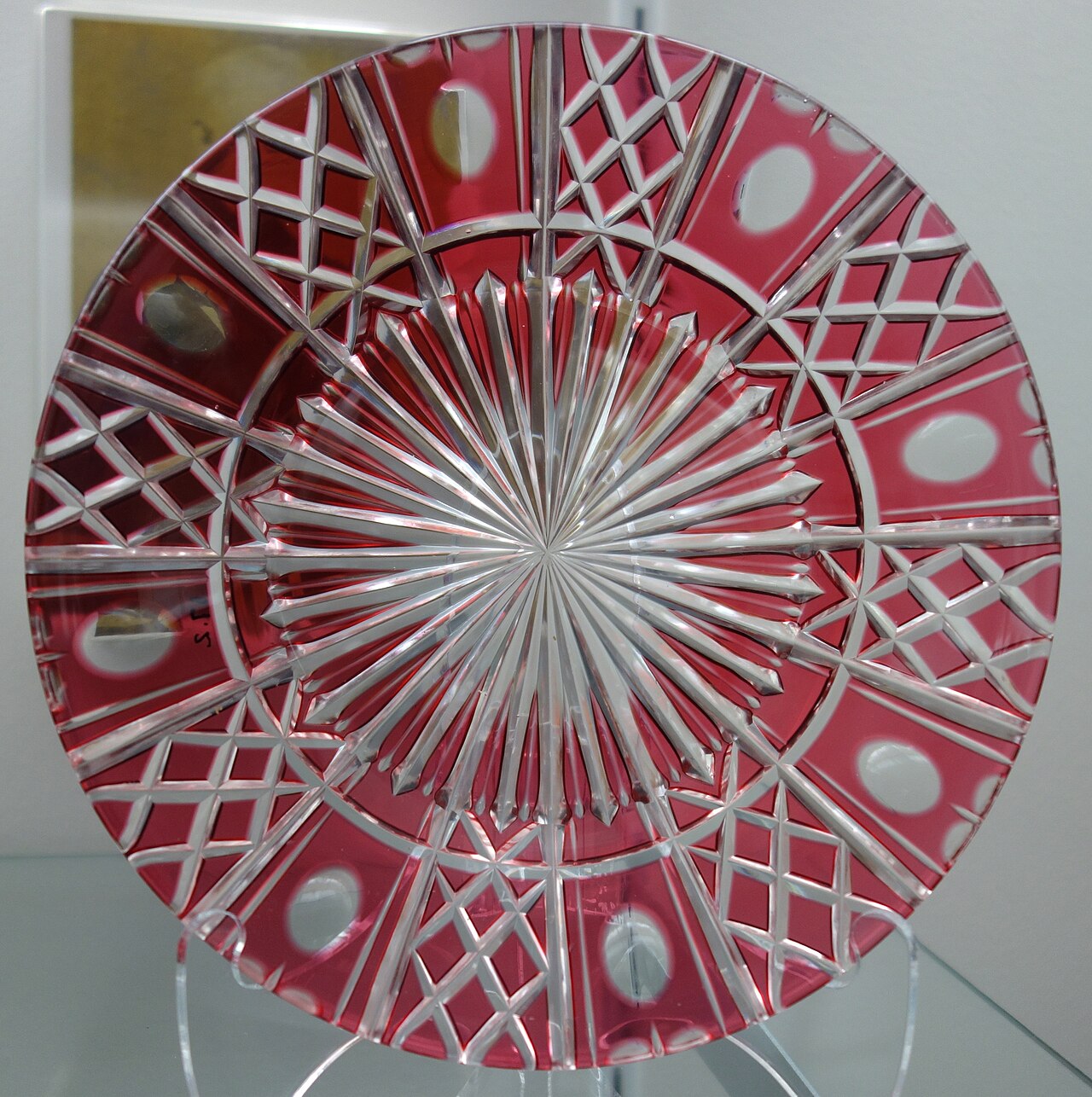
Start in Sandwich, the first town after the bridges. The Sandwich Glass Museum tells the story of the town's glassmaking and is the best indoor stop, and its opening days vary by month, so check them. Walk or cycle a stretch of the Cape Cod Canal Bikeway, which is free and open all year, then spend the afternoon at Heritage Museums & Gardens, with its gardens, antique cars and carousel. The gardens close for their main season in the colder months, when the evening Gardens Aglow display takes over, so confirm what is open. Finish in Hyannis, the ferry hub. The JFK Hyannis Museum is the quick cultural stop, open Monday to Saturday in the fall and Thursday to Saturday from January to mid-April, and the Cape Cod Maritime Museum, open Wednesday to Saturday in winter, is its neighbor in spirit. If your timing is right, the Cape Cod Central Railroad runs scenic and dinner trains from Hyannis, but not every train runs every month.
Day two: the elbow of the Cape
Drive east to Brewster and Chatham. Nickerson State Park in Brewster is the place for an hour on a pond-side trail, and its eight-mile bike path joins the Cape Cod Rail Trail, which is the best car-free way to see the middle Cape and is open all year, apart from short repair closures that are posted. Continue to Chatham for the fish pier and the lighthouse overlook, then to the Monomoy National Wildlife Refuge. The mainland trail at Morris Island is open daily from half an hour before sunrise to half an hour after sunset, and the islands, with their gray seals, can only be reached by boat from a private operator. If you prefer to be guided, the Chatham food tasting walk is a three-hour way to learn the village, but check that it is running for your dates.
Day three: the outer Cape and Provincetown
This is the day for the Cape Cod National Seashore, forty miles of Atlantic beach and dune that stay open all year. Stop at the Salt Pond Visitor Center in Eastham for a map, then choose two or three beaches. The Wellfleet Bay Wildlife Sanctuary is a good second stop for birds and marsh walks, and Highland Light in Truro is a famous lighthouse with a seasonal tower and museum. Finish in Provincetown. The Pilgrim Monument gives you the view, and the Provincetown Art Association and Museum on Commercial Street is open Wednesday to Sunday from noon to five, closed on Mondays and Tuesdays. The whale watches leave from the harbor in the warm months only, roughly April to October, and the cemetery storytelling walk, for adults only, is another warm-weather option.
Where to sleep
For this route, three bases work well. Stay the first night in Hyannis or on the mid-Cape, where Hyannis Harbor Hotel and Margaritaville Resort Cape Cod are practical, then the second in Chatham, where Chatham Bars Inn is the splurge, and the third in Provincetown, where Salt House Inn and Brass Key Guesthouse are two well-regarded options. Book weekends ahead in every season.
If you have more time
A fourth day lets you add a ferry to Martha's Vineyard or Nantucket from Hyannis or Woods Hole, which deserves a day of its own, or a ride on the Shining Sea Bikeway at the western end. If you have less, drop day one and base yourself in Chatham, from where the Seashore and Provincetown are a straightforward drive.
Practical rules
Weekday closures catch visitors out on the Cape: several museums close on Mondays and Tuesdays or at weekends, and small museums use shortened hours in winter. Allow for traffic on Friday afternoons and Sunday afternoons in summer. Dress for wind on the outer beaches in any season, and carry a layer even in summer. Most of all, resist the urge to do too much each day, since the Cape rewards slow travel and early starts.