Three days is the sweet spot for Cartagena de Indias. It is long enough to cover the walled city, the great fortress and a day on the water without rushing, and short enough that you leave wanting more. The plan below is built around the climate: sights that need walking happen early or late, the hot middle of the day is for museums, lunch and a rest, and the islands get a full day to themselves.
Before you start
Base yourself inside the walls or in Getsemaní so that most of what you want is a short walk away. The old town is compact, but the sun is strong and the humidity is real, so carry water, wear a hat and light clothes, and plan to be back in air conditioning from about noon to mid-afternoon. Pesos are the local currency; cards work in hotels and many restaurants, but taxis, street food and small vendors want cash. If you arrive in the rainy months, keep the evenings flexible and expect short, heavy showers rather than all-day rain.
Day one: the walled city
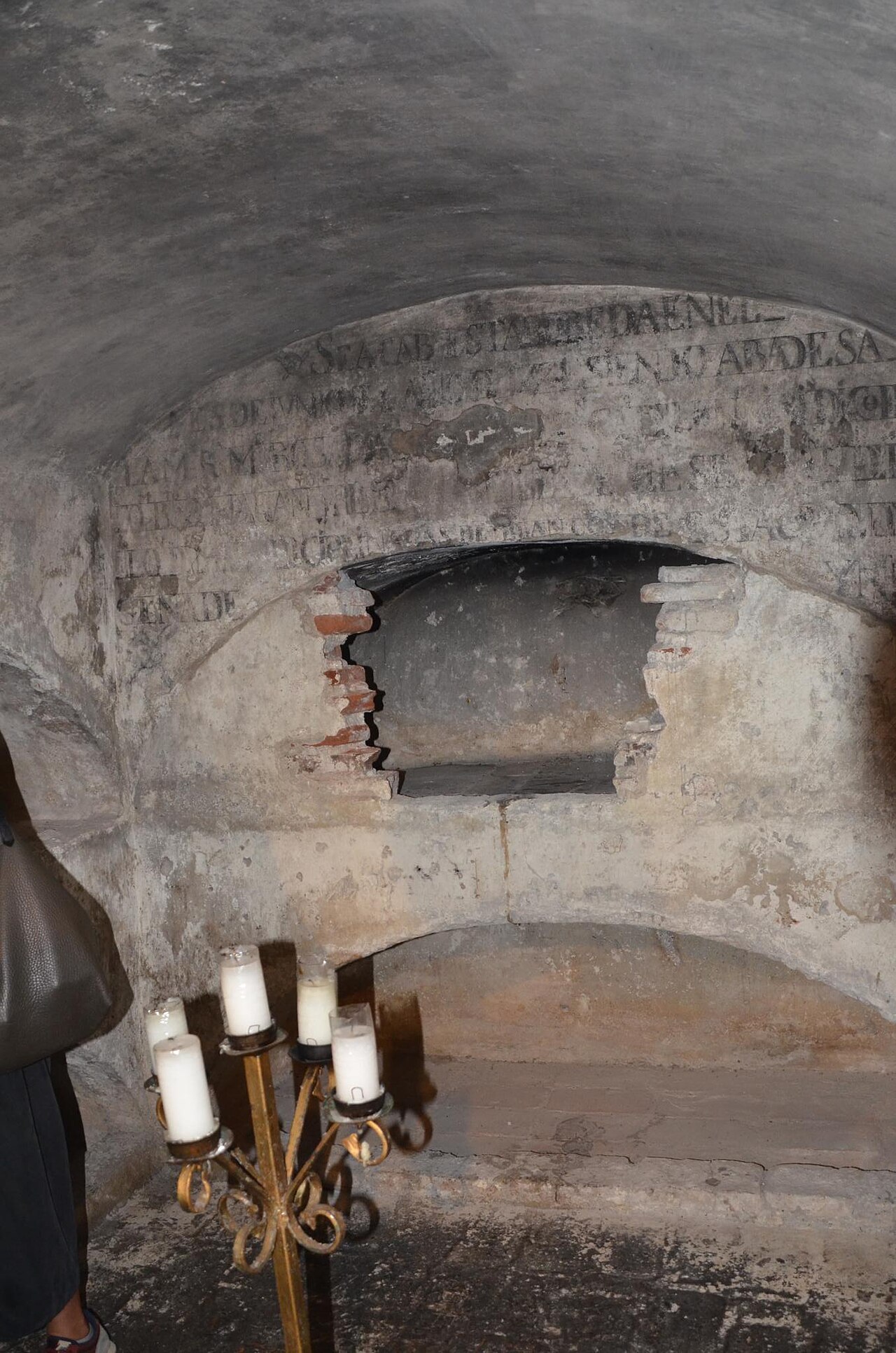
Start early with a guided walk through the old town. The Cartagena walled city tour gives you the story of the Spanish port, the plazas, the balconies and the churches in about two and a half hours, and it is far easier to understand the place once someone has explained it. Finish near Plaza de Bolívar and the Palace of the Inquisition, where the courtyard, the torture instruments and the colonial-era rooms make a thoughtful, air-conditioned stop for the hottest hours. Across the square, the Museo del Oro Zenú is free and shows the fine gold work of the Zenú people; it is closed on Mondays, so swap it for something else if your first day falls on one. After lunch and a siesta, walk the ramparts. The city walls are free, and the stretch along the sea gets the breeze and the best light in the hour before sunset. Have dinner in the San Diego quarter, where the plazas are quieter and the old houses are lit up after dark.
Day two: the castle, Getsemaní and La Popa
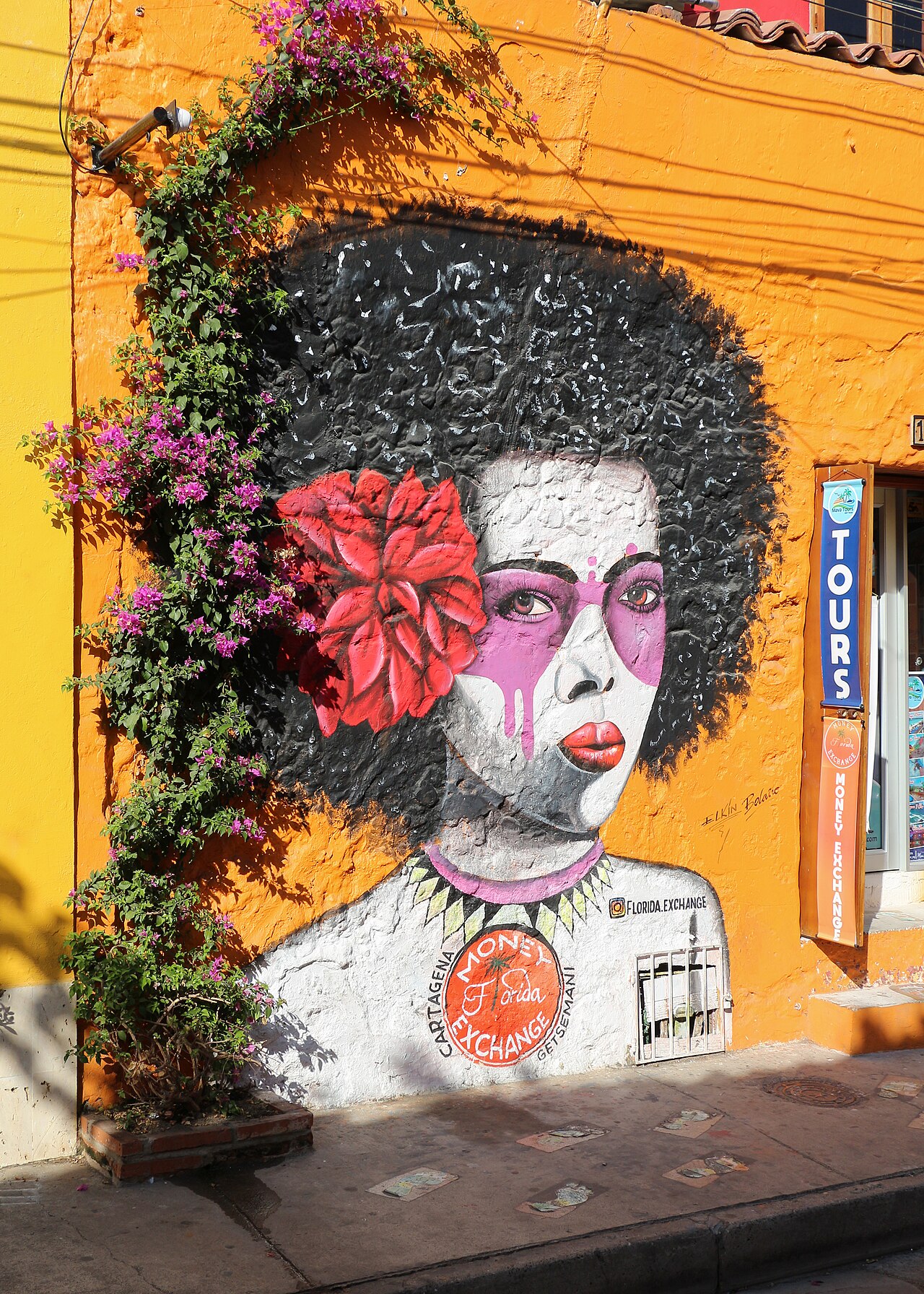
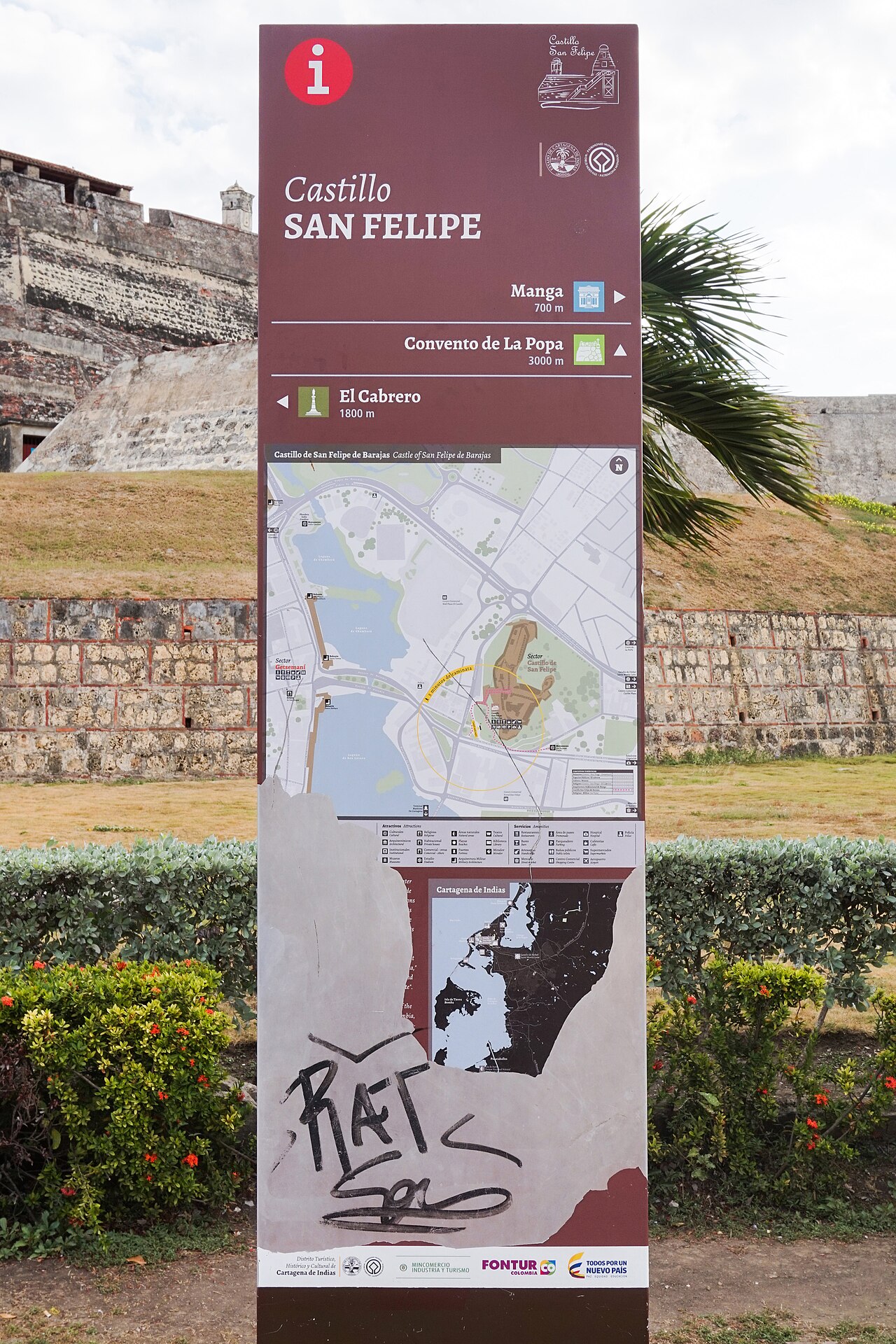
Go to Castillo San Felipe de Barajas in the morning, before the stone has soaked up the day's heat. It is the largest Spanish fortress in the Americas, and the tunnels, ramps and gun platforms are fascinating if you follow the story of how it was designed so that every point could be defended from another. Wear sturdy shoes and bring water, because there is little shade. From the castle it is a short ride or a walk down into Getsemaní, the former artisans' quarter that is now the city's colourful, creative heart. Wander the murals, stop for a cold drink, and eat lunch somewhere with a fan and a view of the street. In the afternoon, take a taxi up to the Convento de la Popa. It sits on the highest hill in town, and the view over the bay, the old town and the towers of Bocagrande explains the geography of the whole city. Agree a waiting fare with the driver before you go, and dress modestly for the chapel. Come back down for sunset and spend the evening in Plaza de la Trinidad, where street food, music and dancing fill the square until late.
Day three: the Rosario Islands
Boats leave in the morning from the dock on Avenida Blas de Lezo, usually between 8:00 and 10:00, and return in the afternoon. The islands are the Caribbean you came for: clear water, coral, and long, lazy stops on the sand. Choose an operator that clearly includes the national park entry fee and the mandatory accident insurance, ask what lunch and snorkelling gear are included, and bring reef-safe sunscreen, a towel and a dry bag for your phone. Seas can be rougher in the windy months from January to March, so if you get seasick, take a tablet before boarding. You will be back in the city in time for a long shower, a quiet dinner and an early night.
If you have a little more time
Swap or add in the evenings. A sunset cruise on the bay shows you the skyline from the water, a cooking class or street food tour turns dinner into an education, and a rooftop dance class is a fun way to learn the steps before you try the salsa bars. Families can replace the late afternoon with the Aviario Nacional on Barú. Visitors interested in the city's difficult history should add the San Pedro Claver church and museum, which is best on a weekday morning.
Pacing and practicalities
Everything in the old town is within a fifteen-minute walk, so do not book taxis for short hops. For longer trips, taxis do not have meters, so agree the fare before you get in; ride-hailing apps are also widely used. Keep phones and jewellery discreet in crowds, use registered taxis at night, and tip restaurants and guides if the service was good. Most of all, resist the urge to cram. The best moments in Cartagena tend to be the unplanned ones: a conversation in a plaza, a bowl of coconut rice at a plastic table, the sound of drums drifting from a side street.
Where to sleep
For a first visit, a hotel inside the walls puts the whole itinerary on your doorstep. Sofitel Legend Santa Clara is the romantic choice, OSH Hotel is the design pick in Getsemaní, and Movich is a comfortable, central base. If you would rather have a beach and a big pool, the Hyatt Regency in Bocagrande is a short taxi ride from the old town.