Cartagena eats like the Caribbean coast it belongs to. The cooking leans on fresh fish and shellfish, coconut, plantain, lime and tropical fruit, with a thread of Spanish, African and Indigenous influence running through it all. You can eat superbly here without a reservation at a famous restaurant, because many of the best things come from a plastic table, a street cart or a family kitchen. This guide explains what to look for and how to eat well in the heat.
Start with the coast
Seafood is the city's calling card. The classic plate is a whole fried fish, often red snapper or mojarra, served with coconut rice and crisp fried plantain slices called patacones. It is simple, salty, sweet and very filling, and it tastes best at a beach shack or a plain family restaurant rather than a polished dining room. Look too for seafood soup, garlic prawns, and rice cooked in broth with seafood, which is the local cousin of paella. Order what the table next to you is eating, and ask what came off the boat that morning.
Coconut rice and plantain
Arroz de coco is the side dish that stays in your memory: rice cooked in coconut milk until it turns slightly sweet, sometimes with a few raisins. You will find it beside almost any fish or meat dish. Plantain appears in several forms, from green and salty patacones to sweet, soft ripe slices that caramelise in the pan. Both are filling, so share a plate if you want to try several dishes in one meal.
Ceviche, Caribbean style
Cartagena ceviche is lime-cured fish or shrimp with onion and cilantro, often with a creamy or coconut touch that softens the acid. You will see it served in plastic cups by beach vendors and from carts in the shady squares inside the walls. It is a refreshing snack on a hot afternoon, but choose busy vendors with fast turnover and ice, and keep it for a place you trust if you have a sensitive stomach.
Street food and snacks
The easiest street food to find is the arepa con huevo, a corn patty fried and stuffed with egg and sometimes minced meat. Empanadas and fried cheese pastries are everywhere, and so are carimañolas, torpedo-shaped yuca fritters with a savoury filling. After dark, Plaza de la Trinidad in Getsemaní becomes an open-air food court, with carts and stalls working until late. Carry small notes in pesos, because vendors rarely have change for large bills. If you want to eat widely with someone to explain what you are tasting, a guided street food tour is the efficient way to do it on your first night.
What to drink
Fresh fruit juice is one of Cartagena's real pleasures. Look for lulo, a tart citrus-like fruit that is hard to find outside Colombia, as well as maracuyá, guanábana and mango. Limonada de coco, a thick, frothy blend of lime and coconut milk, is the signature cooler of the coast. Ask for juice made with water or milk and, if you are cautious about ice, ask for it sin hielo. Colombian coffee is excellent; order a tinto for a small black coffee or a café con leche for something milkier. For something stronger, rum is the spirit of the coast, and sunset on a rooftop with a rum cocktail is a ritual in its own right.
Learn it, then taste it
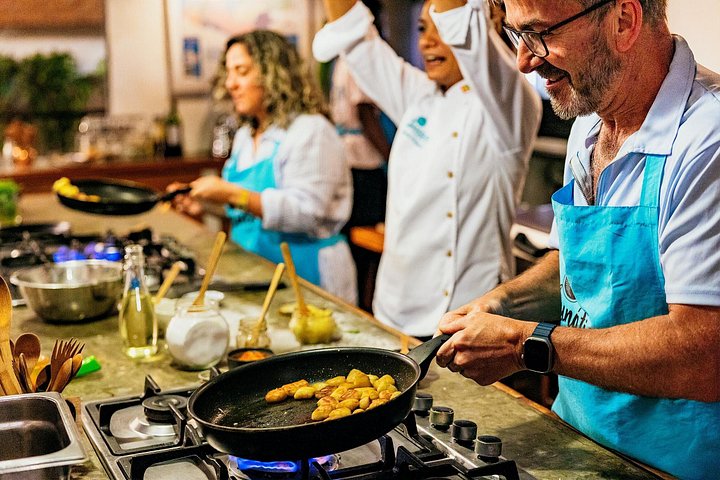
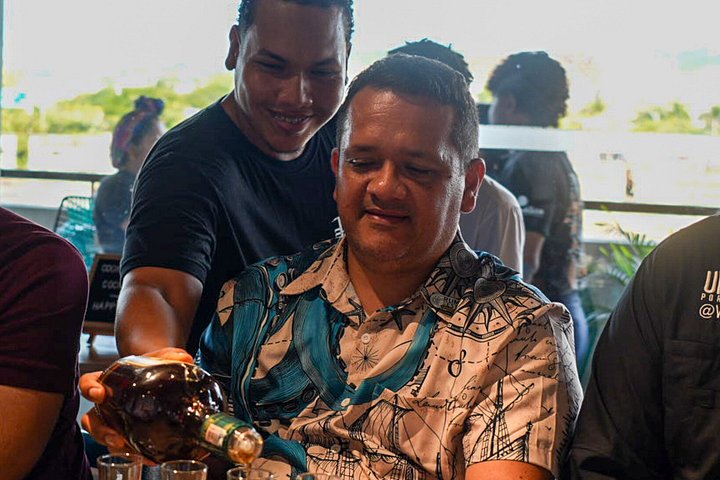
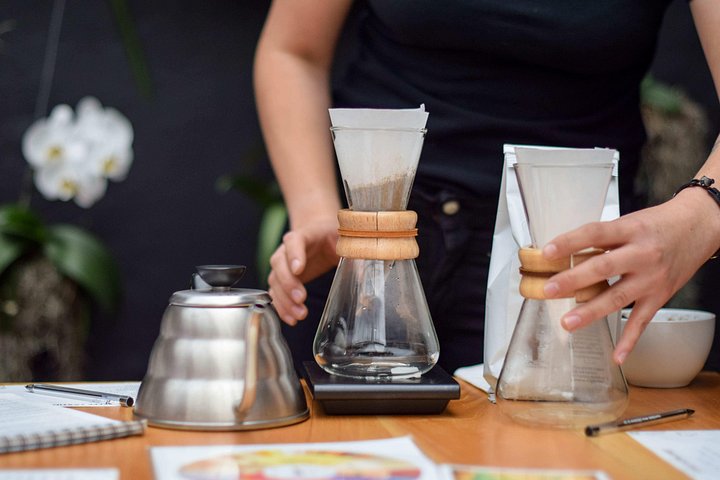
A cooking class is the best way to understand the cuisine, because you shop for ingredients, cook several dishes and sit down to eat what you made. A rum and chocolate tasting shows how cacao and sugarcane shaped the region, and a coffee workshop explains why Colombian beans are so prized. Each of these makes a good rainy-day or hot-afternoon plan, and each works well as a group activity.
Where to eat
Inside the walls you will find everything from simple lunch spots to elegant restaurants in restored colonial houses. Getsemaní has lively, informal places with tables on the pavement, and its rooftop bars are good for a first drink. For a long, memorable meal, many hotels have restaurants set in old courtyards and cloisters, including the one at Sofitel Legend Santa Clara. For beach food, the fishing community of La Boquilla has seaside restaurants that are best visited in daylight. As a rule, you will eat better and pay less a few streets away from the busiest plazas.
Etiquette and tips
Lunch is the main meal for many locals, and it is often the best value. Dinner service starts later than in North America and Europe, so do not expect kitchens to be busy before the evening. Restaurants commonly suggest a service charge of about ten percent on the bill; it is voluntary, so check the bill and say if you would rather add it yourself. Ask for the check by catching the waiter's eye or saying la cuenta, por favor, because it will not arrive until you ask. Drink bottled or filtered water, wash or peel raw fruit, and take your time. Meals here are meant to be slow.