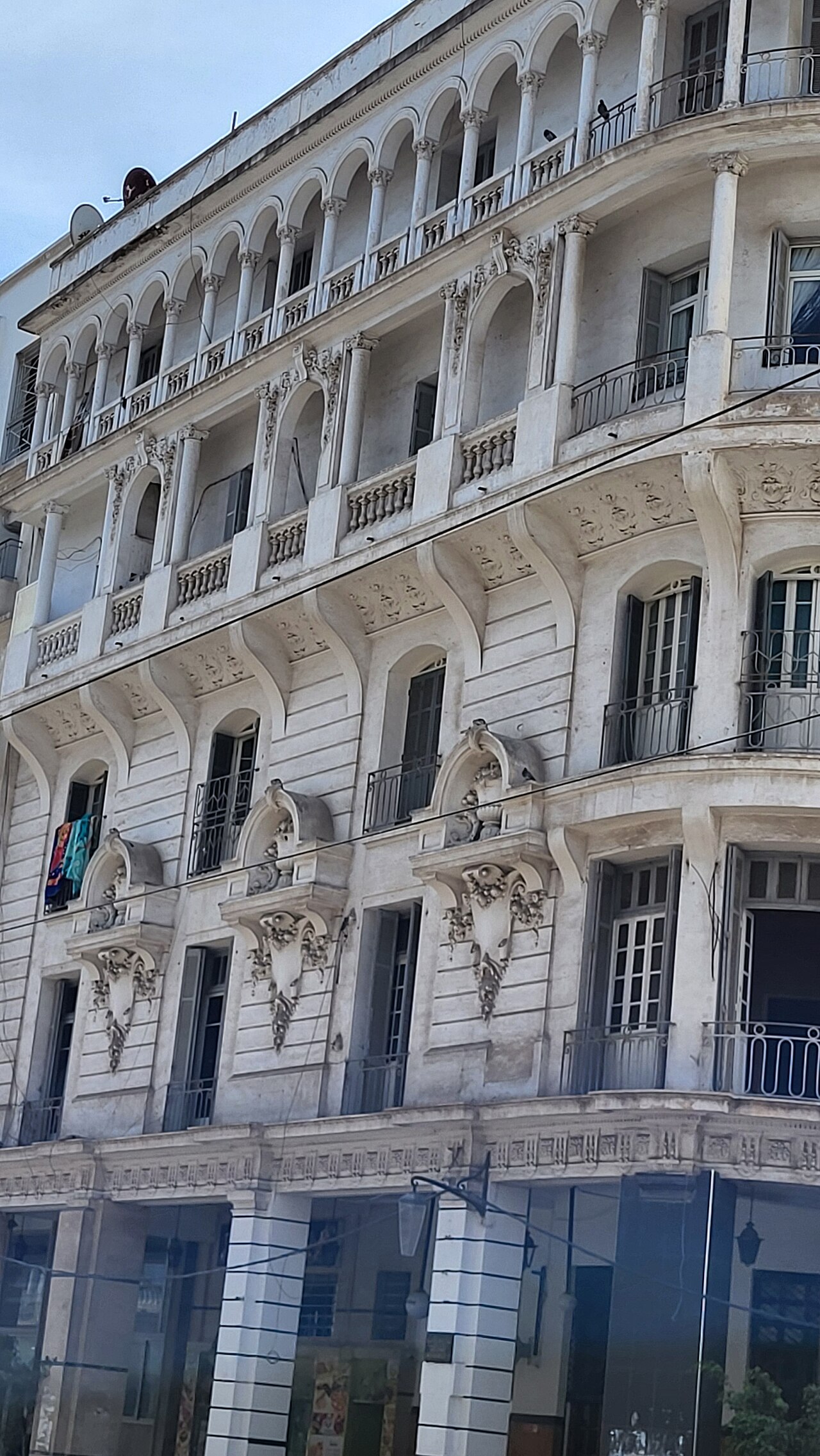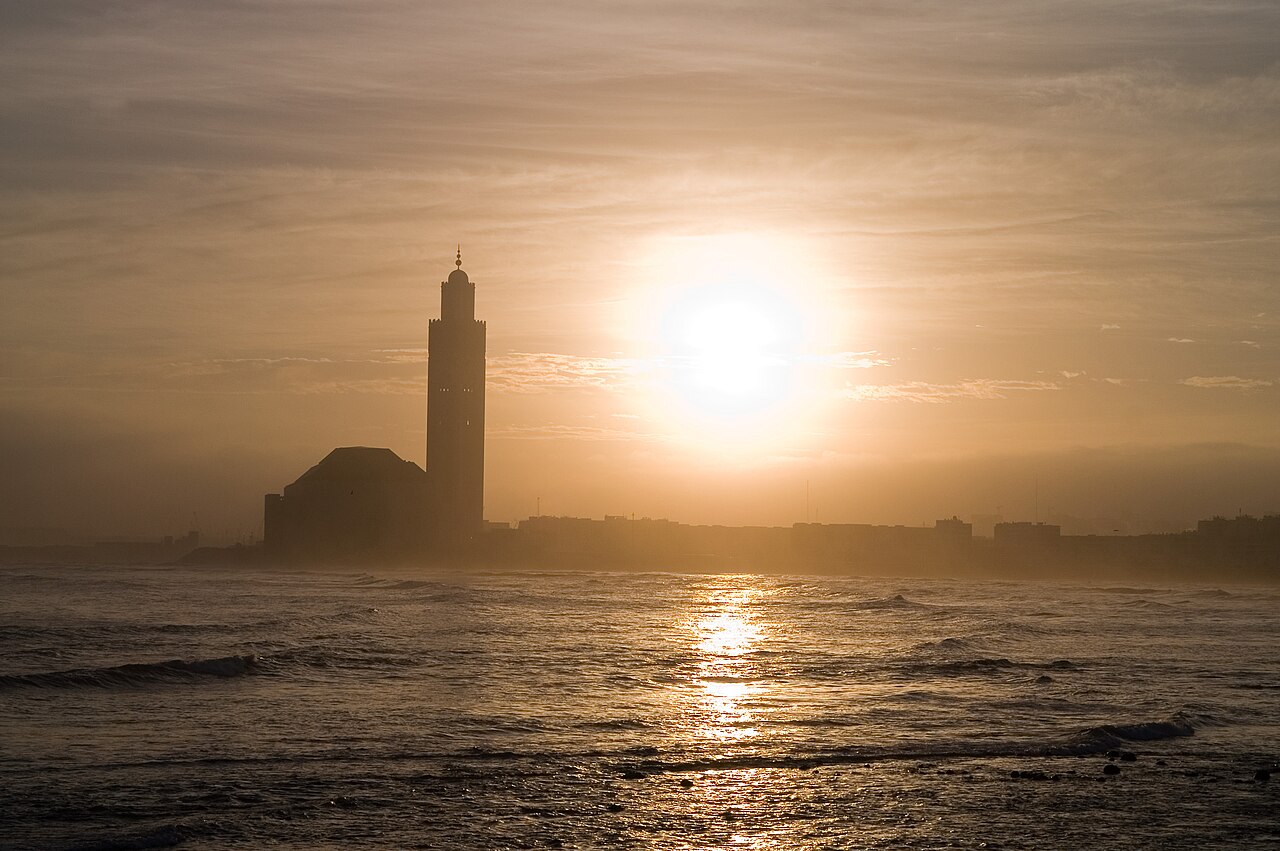
Casablanca is Morocco's largest city and its economic engine, and it rewards travellers who give it a little attention. It lacks the ancient souks of Marrakech, but it has the Hassan II Mosque on the Atlantic, two very different medinas, a downtown of 1930s Art Deco buildings, a lively seafront and an easy day trip to the capital, Rabat. Here is how to plan it.
Book ahead: the short list
Book the Hassan II Mosque visit first, because non-Muslims enter only on a guided visit at set times; a ticket bundled with a city tour, such as the Hassan II Mosque skip-the-line option, handles both the slot and transport. Next, book a table at Rick's Cafe if you want a dinner there, and consider a guided medina and Habous walk or a food tour, which add context you will not get alone. If you plan to see Rabat with a guide, reserve the private day trip early in high season.
How long to stay
Two full days cover the essentials. Day one: the mosque in the morning, the Sqala and the Corniche in the afternoon, dinner at Rick's Cafe or a night tour. Day two: a guided walk through the old medina and the Habous, then the Art Deco boulevard and the Central Market for lunch. Add a third day for Rabat, either as a private day trip or independently by train to see the Hassan Tower, the mausoleum and the Kasbah of the Udayas. Food lovers can add a food tour or a cooking class.
Getting around
Taxis are plentiful and inexpensive, and petit taxis are the usual choice within the city; agree on the meter or the price before you start. The tram network links several districts, which is handy for crossing the city, and trains run from Casablanca to Rabat in about an hour. A hired driver for a day makes sense if you want to combine the mosque, the Corniche and the medina. The airport is some distance from the centre, so book a transfer or take the train.
Where the sights fit
The old medina, Rick's Cafe, La Sqala and the port sit together on the northern edge of the centre. The Art Deco boulevard and Place Mohammed V are a short walk inland. The Habous is a taxi ride south of the centre. The Hassan II Mosque and the Corniche lie west along the coast, with the Corniche continuing toward Ain Diab. Grouping your days by area saves hours in traffic.
What to wear and how to behave
Casablanca is cosmopolitan, but modest dress is expected at the mosque and in the medinas: cover shoulders and knees. Carry small notes for tips and taxis, bargain politely in the medina, and expect some persistent offers from touts near the main sights, which a firm no handles well. Tap water is not recommended for drinking, so use bottled water.
When to go
Spring and autumn are the most comfortable seasons, with mild temperatures and clear light. Summers can be warm and humid, though the Atlantic breeze helps, and winters are cool and sometimes rainy and windy on the coast. Ramadan changes opening hours and mosque schedules, so check before you go.
Marrakech and beyond
Marrakech has its own guide in our network, so use this one for the coast and the capital. If you want to combine them, Casablanca is a convenient airport gateway, with trains south to Marrakech.
Final tip
Do not try to see everything. Pick the mosque, one medina walk and one meal you will remember, and let the city's slower pleasures, a mint tea on the Corniche or a pastry in the Habous, fill the gaps.