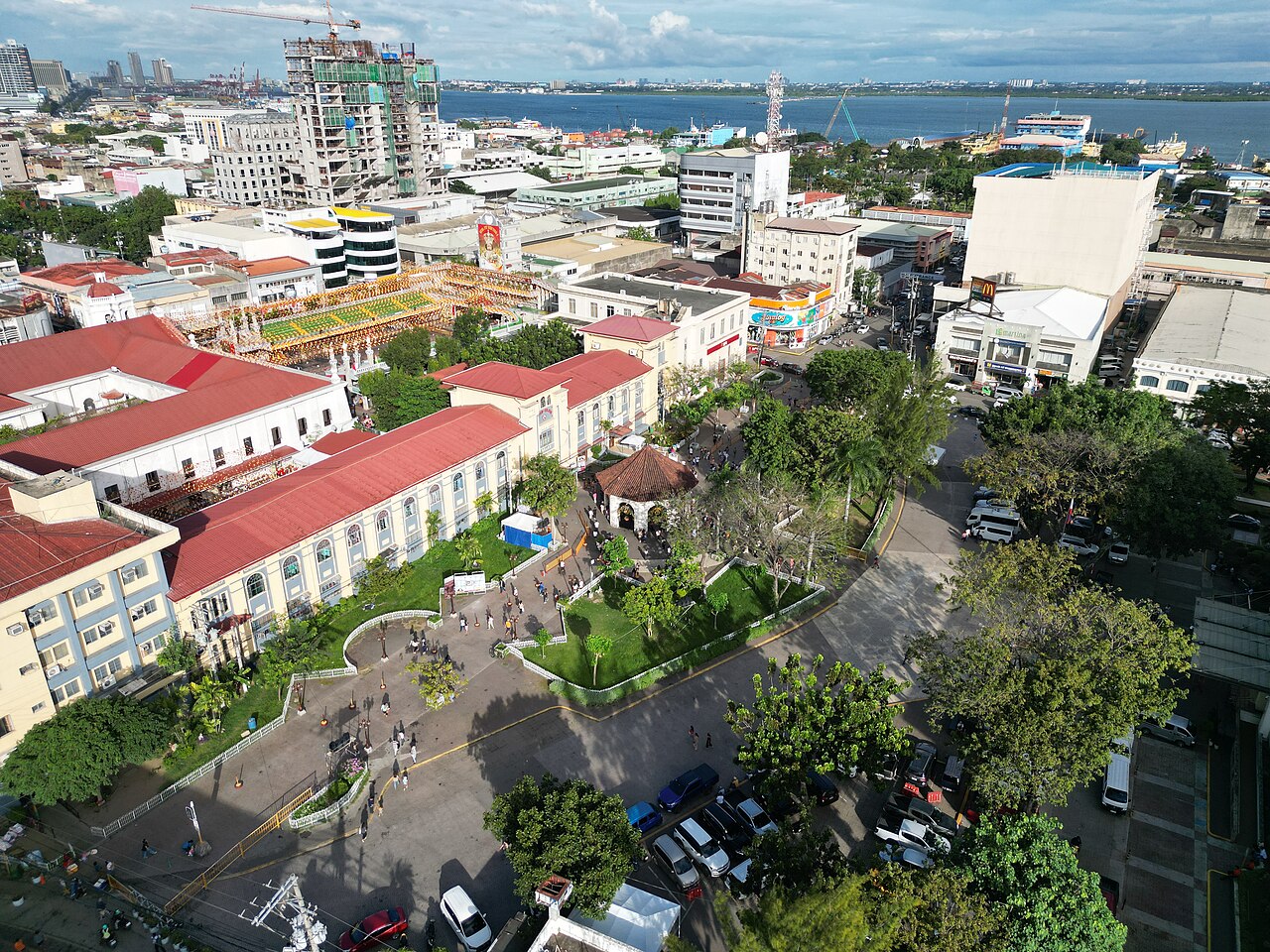
Cebu is warm all year, so the question is not whether it will be hot but how wet, windy and crowded it will be. The island has a drier season and a wetter season, with a rainy period that overlaps with typhoon risk. For most travellers who want calm seas, easy boat trips and long sunny days, the drier months are the best choice, but every season has its own appeal, and the right answer depends on what you plan to do.
December to February: cooler and festive
The early part of the dry season is the most pleasant for many visitors. The air is a little less humid, evenings can feel comfortable and the sea is generally calmer than in the wetter months. The Christmas season in the Philippines starts early and runs long, and Cebu City is decorated with lights and markets. The early-morning masses before Christmas, known as Simbang Gabi, are a local tradition. Hotels and flights are in high demand around Christmas and New Year, so book well ahead and expect higher rates.
January: the Sinulog festival
Cebu's biggest event is the Sinulog festival in honour of the Santo Niño, held in January and centred on a grand parade on the third Sunday of the month. The Basilica del Santo Niño is the spiritual heart of the celebration, and the city fills with dancers, drummers, street parties and huge crowds. It is a wonderful time to see local culture, but streets are closed, transport is slow and hotels fill and charge more. If you want to be there, reserve your room as early as possible and plan your travel on the days either side of the parade. If you prefer to avoid crowds, choose a different week in January or another month.
March to May: hot and dry
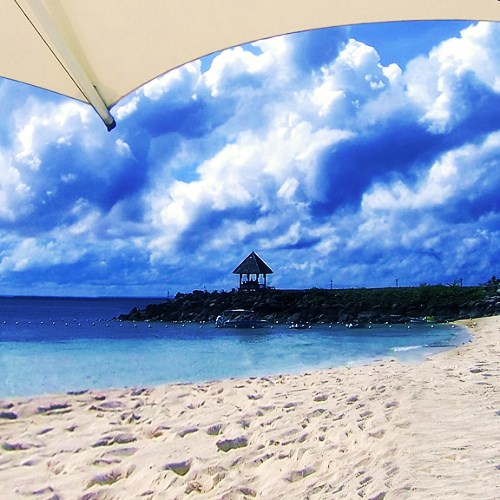
These are the hottest months, with strong sun and high humidity in the afternoons. The sea is usually calm and clear, which makes it excellent for island hopping, snorkelling, the sardine run at Moalboal and canyoneering, but the heat can be tiring on the heritage walk and on long drives. Start early, rest at midday and drink plenty of water. This is also the main holiday season in the Philippines, with Holy Week bringing many local travellers to the beaches, so resorts and boats can be busy.
June to November: wetter and less predictable
The rainy season brings showers that can be heavy but are often short, and visitor numbers are lower, so rates may be cheaper and the main sights quieter. Rain can make roads slippery and rivers swell, which affects canyoneering and waterfall trips, and rough seas may cancel boat tours, including island hopping and the ferry to Bohol. Typhoons most often affect the central Philippines in the later part of the year, and a strong storm can disrupt flights, ferries and tours for days. If you travel in these months, leave a spare day in your schedule, choose flexible bookings and check weather updates before you go. Many travellers still enjoy the season, particularly if their plans centre on the city, the aquarium, food and spa days.
What does not depend on the season
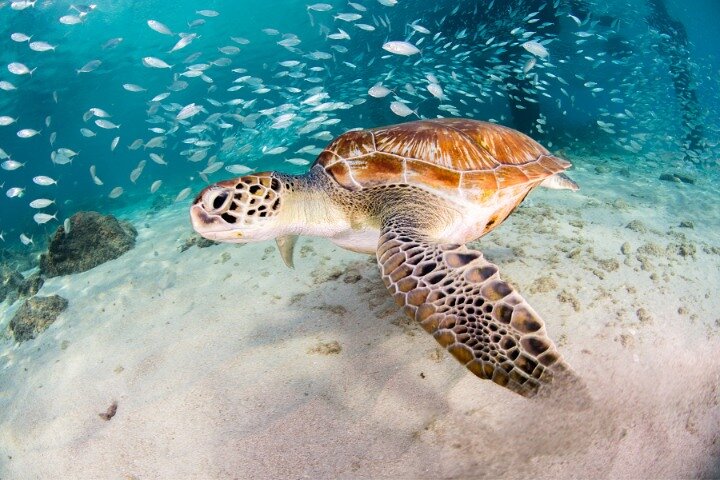
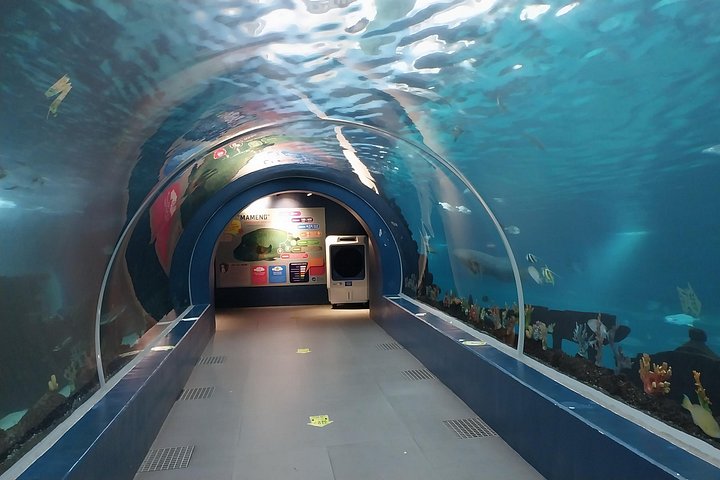
Whale sharks, sardines and sea turtles can be seen throughout the year, and the water stays warm in every month. The old downtown, the highlands tour, the food scene and the aquarium work in most weather. Wet-season water in the falls is often fuller and more dramatic, though it can also be muddier.
Choosing your month
For the best overall mix of weather and comfort, aim for the drier season, from about December to May, and decide between the cooler start for festivals and the hotter end for beach time. For culture and atmosphere, plan around Sinulog. For lower prices and fewer people, consider the wetter months but accept the risk of delays. For first-timers who want a smooth trip, the safest choice is a February or early March visit, when the seas are calm and the heat has not peaked.
Practical advice
Buy travel insurance that covers weather disruption and water activities, keep a flexible final day, and confirm cancellation terms on every tour and hotel. Pack light clothing, a rain jacket, reef-safe sunscreen and a dry bag. Check your government's travel advice and the local forecast before you travel.