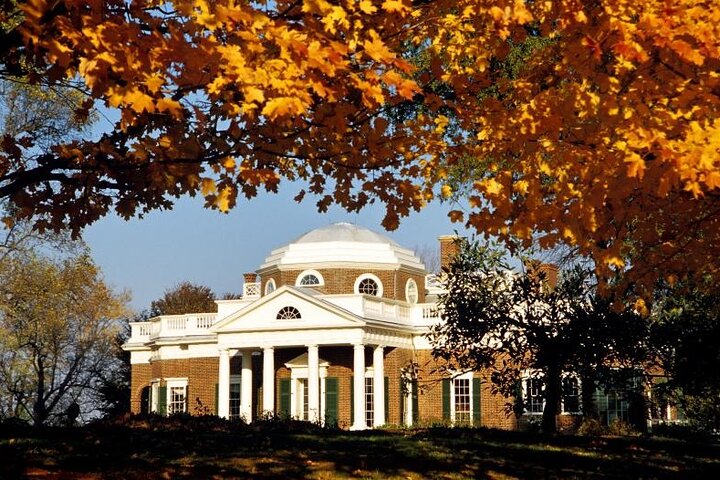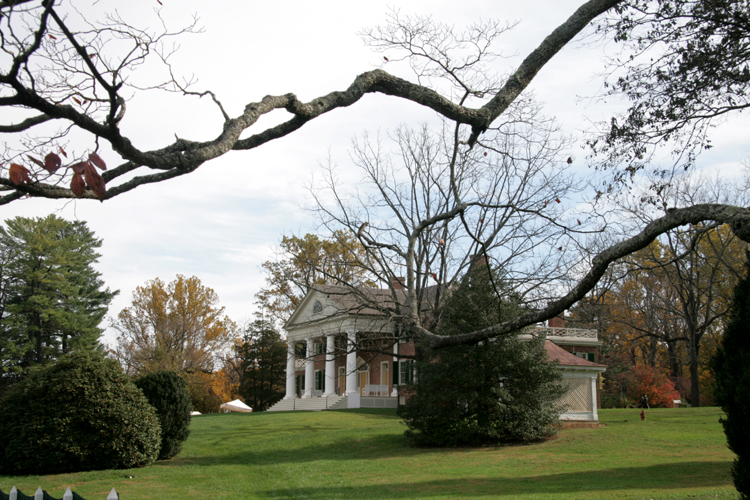
Montpelier is the home of James and Dolley Madison and the best answer to the question of where the United States Constitution was really shaped. About a thirty-five minute drive north of Charlottesville, in the village of Montpelier Station near Orange, the estate has been restored to look as it did in Madison's retirement, after decades in which later owners, including the du Pont family, had enlarged and altered the house. It is less famous than Monticello but, for many visitors, quieter, more contemplative and just as rewarding, and it is a good second presidential home on a longer trip.
The mansion tour is the core of a visit. After a restoration that stripped away later additions, the house presents the rooms as the Madisons knew them, with period furnishings and details that tell the story of James's work on the Constitution and the Bill of Rights, his years as secretary of state and president, and Dolley's role as a political hostess who shaped the capital's social life.
The guides are well informed and the groups are small, so it is easy to ask questions. Visitors who have seen Monticello often remark on the contrast between the two men's houses and temperaments.
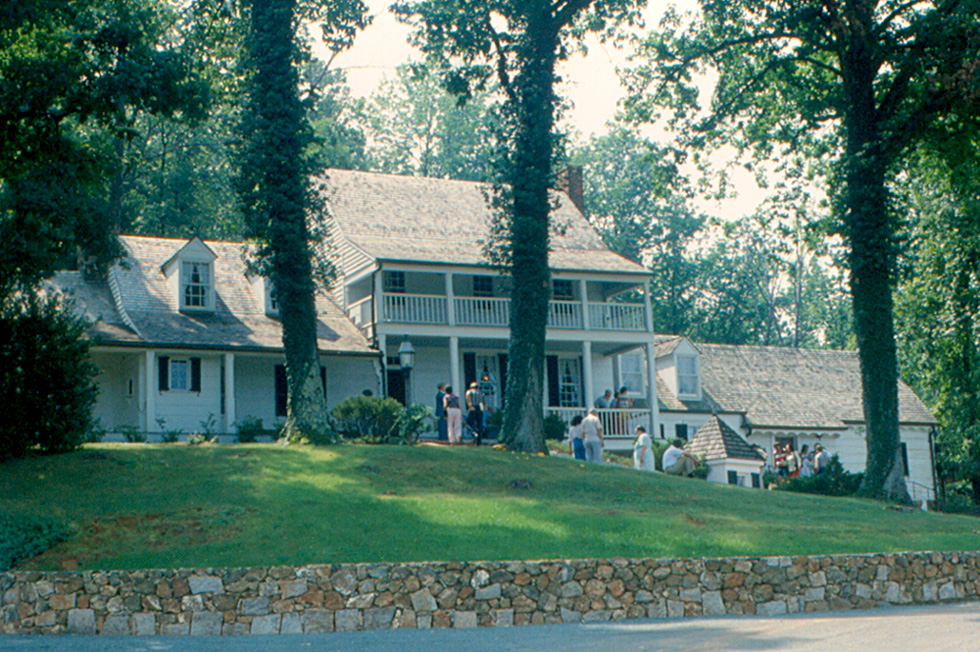
The estate's interpretation of slavery is among the most carefully developed in the country. An exhibit called The Mere Distinction of Colour examines the lives of the people enslaved at Montpelier, and the Gilmore Cabin, home to a formerly enslaved farmer named George Gilmore after emancipation, is a rare surviving example of a freedman's house. The site works closely with descendants, and the tone is serious without being heavy. Allow time to read the exhibits rather than rushing through, since they add depth to the mansion tour.
Beyond the house, Montpelier is simply a pleasure to walk. The grounds include the formal gardens, the temple that Madison built over an ice house, the Madison family cemetery and a series of paths that lead to a stand of old-growth forest, one of the largest remaining in the Piedmont. The estate also hosts the Montpelier Hunt Races, a steeplechase traditionally held in autumn, which draws a lively crowd. Check the calendar if you are planning around events, because an event weekend changes the character of the visit.
Allow two to three hours, or half a day with a picnic. Montpelier is easy to combine with a winery in Orange County, such as Barboursville Vineyards, which is only about ten miles away, for a day that blends history and lunch. Tickets can be bought on arrival but timed tours are more reliable in busy months. Wear comfortable shoes, and check the schedule for closing days and any seasonal changes before you set out.
What to expect
The experience
A guided mansion tour plus self-guided exhibits, the Gilmore Cabin, gardens and forest trails.
Best time
Spring and autumn; weekday mornings for fewer visitors.
How long
Two to three hours.
Tips
Combine with Barboursville Vineyards, and check the event calendar before choosing a day.
Quick picks
- Best for
- History lovers who want to understand the Constitution's roots.
- Families
- Walking trails and open lawns suit children; the mansion tour suits older ones.
- Couples
- A quiet, scenic afternoon followed by a winery dinner.
- Pair with
- Barboursville Vineyards or a lunch in the town of Orange.
- Time needed
- Half a day.
Good questions
How far is Montpelier from Charlottesville?+
About thirty to forty minutes by car, depending on traffic.
Is it worth visiting after Monticello?+
Yes. The two sites tell different stories, and Montpelier is quieter.
Is there an exhibit about slavery?+
Yes. The Mere Distinction of Colour and the Gilmore Cabin are central to the visit.
Can I walk the grounds?+
Yes, the gardens, cemetery and forest trails are open to visitors.
When is the steeplechase?+
The Montpelier Hunt Races are traditionally held in autumn; check the event calendar for the current date.