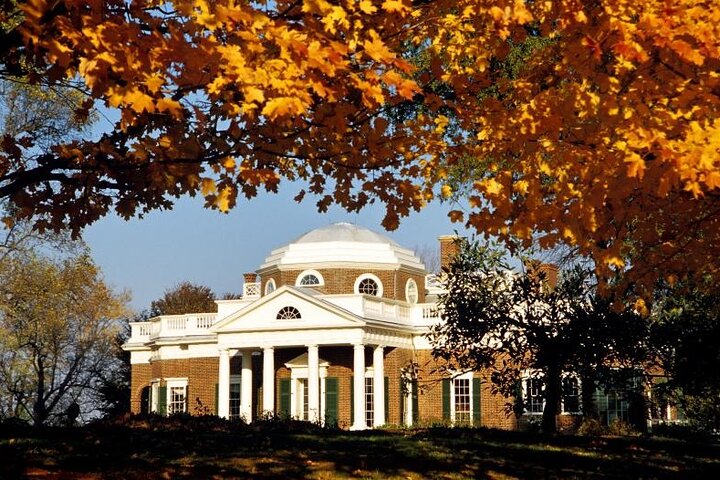
Few places in America cluster as many presidential homes as the countryside around Charlottesville. Thomas Jefferson's Monticello, James Madison's Montpelier and James Monroe's Highland, also known as Ash Lawn-Highland, lie within roughly an hour of each other. Each tells a different story, and each suits a different kind of visitor, so it helps to choose with intent.
Monticello: the essential one
If you can visit only one, make it Monticello. The house is an architectural landmark, the gardens are a delight and the interpretation of slavery, including Mulberry Row and the Hemings family, is thoughtful and deep. It is also the busiest, so book timed tickets in advance and arrive early. Allow three to four hours, and plan lunch at nearby Michie Tavern.
Montpelier: the Constitution and a quieter day
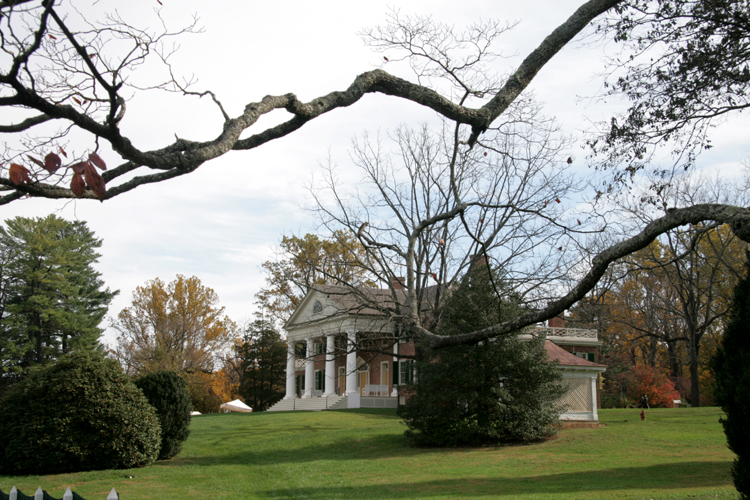
Montpelier, in Orange County about thirty-five minutes north, was the home of James and Dolley Madison. The mansion has been restored to its Madison-era appearance, and the estate's exhibits on slavery, including The Mere Distinction of Colour and the Gilmore Cabin, are among the most carefully developed in the country. The grounds include gardens, a cemetery and old-growth forest. It is less crowded than Monticello and combines naturally with Barboursville Vineyards.
Highland: the small farm
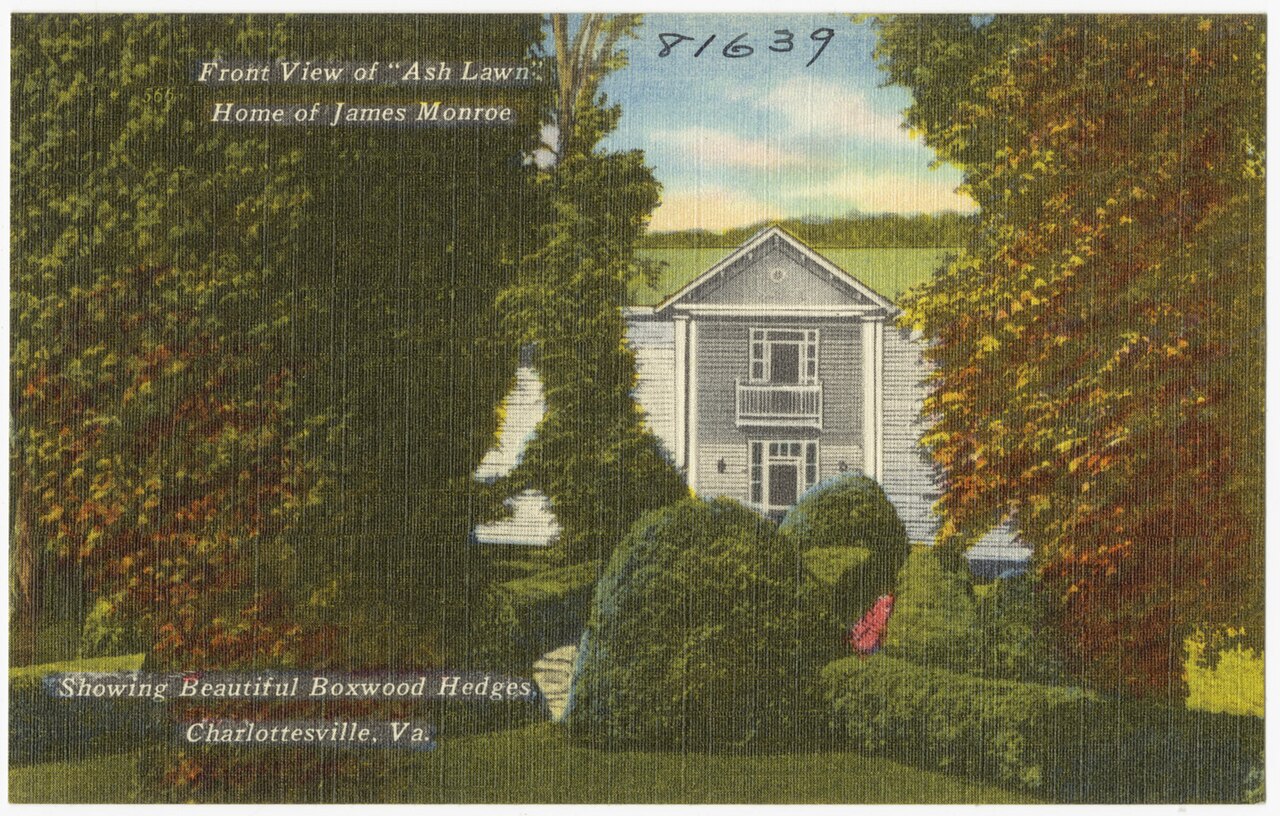
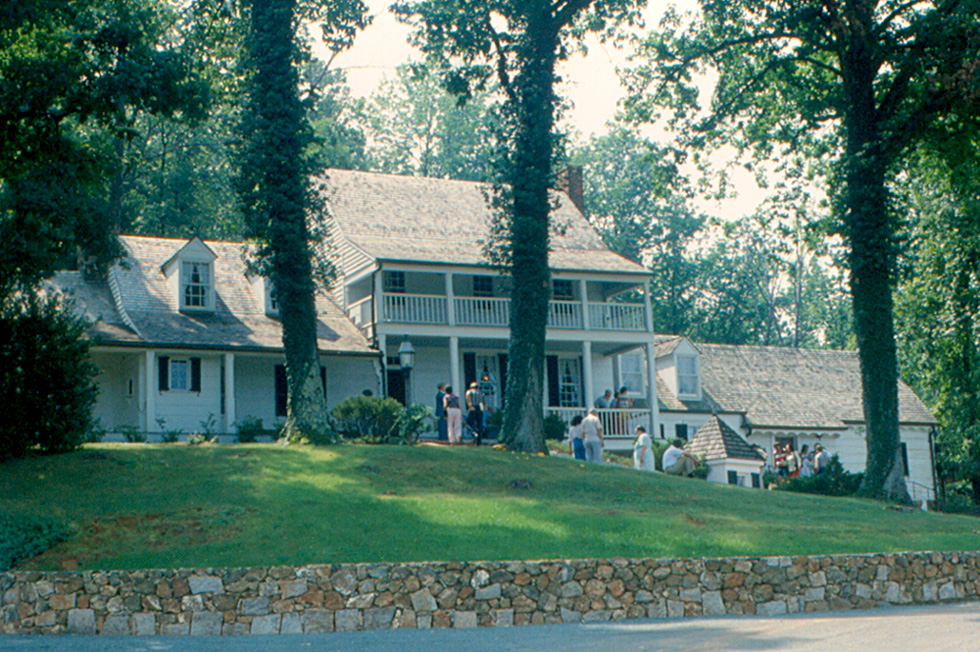
Ash Lawn-Highland is James Monroe's farm just beyond Monticello. The house is modest, the grounds are pleasant, and the peacocks are a favorite with children. It takes about ninety minutes to two hours, and it pairs easily with Monticello and Michie Tavern. Choose it if you like smaller sites or want to round out the Jefferson-era story.
How to combine them
A classic presidential day links Monticello in the morning, lunch at Michie Tavern and Highland in the afternoon, all within a few miles. Montpelier works best as its own half day, paired with a winery lunch. Visitors with limited time should pick Monticello, and those with a second day should add Montpelier.
Understanding the context
All three men owned enslaved people, and their homes cannot be understood without that fact. Each site has worked to broaden its interpretation, and the Jefferson School African American Heritage Center and the Memorial to Enslaved Laborers at the University of Virginia add local depth. Visiting several sites and reading their different approaches is a thoughtful way to appreciate how history is told.
Practical tips
Buy timed tickets where offered, wear comfortable shoes for hilly grounds and check seasonal hours, since smaller sites may close on certain days. Combination tours exist for Monticello and the University, such as the Jefferson UNESCO World Heritage Tour, and a guide can add context and save you parking and planning. Children generally enjoy the gardens, the animals and the gadgets more than the long rooms, so keep tours short and add outdoor time.
If you only have a day
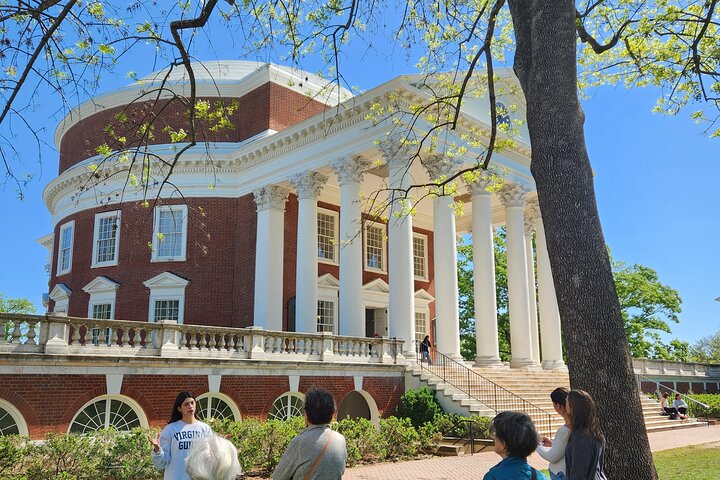
Start at Monticello, eat at Michie Tavern, walk the Lawn at the University of Virginia in the late afternoon and end with dinner on the Downtown Mall. If you have two days, give the second to Montpelier and Barboursville. Either way, you will see how three neighbors shaped a nation and a landscape.
Seeing it with children
Children rarely want a long lecture in a historic house, but they can enjoy these sites if you plan well. At Monticello, point them to the gadgets, the clock and the dome room; at Highland, the peacocks and the farm animals are the draw; at Montpelier, the open lawns and forest paths give them room to run. Keep house tours short, bring snacks and let them lead in the gardens. Older children and teens often engage deeply with the slavery interpretation if they are given time to ask questions.
Reading beyond the house
Before you go, a little reading pays off. Biographies of Jefferson, Madison and Monroe, books about Monticello's enslaved community and the Hemings family, and accounts of the Constitutional Convention add depth to what you see. Afterwards, a stop at the Jefferson School center or the memorial at the University gives local context. Visitors who engage with the difficult parts of the story tend to come away with the richest sense of the place.
A note on tickets
Each site sets its own prices, schedule and booking rules, and they change from season to season, so check before you go instead of relying on old information. Ask about discounts for children, students and local residents, and about combination offers when visiting more than one site.