The Hilltribe Museum and Education Center is a compact museum on the third floor of a building on Thanalai Road in central Chiang Rai. It was founded in 1987 by the Population and Community Development Association, a Thai nonprofit, with the aim of explaining the lives of the hill peoples of the north to visitors. It is not a grand institution, and it does not try to be. What it offers is context: clear information boards on the Hmong, Akha, Lahu, Lisu, Yao and Karen peoples, a collection of traditional clothing, tools made from natural materials, especially bamboo, and a display on the long history of opium and its spread through Southeast Asia. For a visitor who is about to take a village trek or a day tour, an hour here makes the experience far richer.
The most useful thing the museum does is help you tell the groups apart and understand why they live where they do. The information boards cover the six main peoples of northern Thailand, and the clothing displays show how dress, embroidery and silverwork differ from one group to the next. Multi-language slideshows have been offered in several languages, including English. The opium exhibit pairs naturally with a visit to the Hall of Opium near the Golden Triangle, giving a local, human angle on a subject that the larger museum treats at a national scale.
Because it is on an upper floor of an office building, it is easy to walk past, so look for the signs on Thanalai Road in the town centre. It is a short walk or a cheap ride from most central hotels and the clock tower. Opening hours have been listed as slightly later on weekends than on weekdays, with a modest admission fee for visitors and free entry for students and local people, but confirm on the day because small museums sometimes change their schedule.
Allow roughly an hour; it is a place to read and look rather than to spend a morning.
Go with an open mind. The museum was created with a development mission, and its tone is educational rather than slick, so treat it as an introduction and not as the final word on any community. If you plan to visit a village, the polite approach is to ask before photographing people, buy something small from local makers and avoid treating villages as a photo stop. The museum is a good place to learn those basics before you set out.
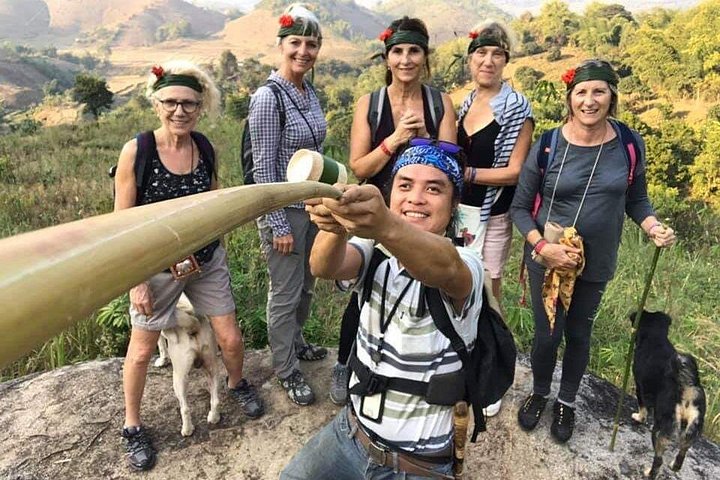
It suits curious travellers, anyone planning a trek, and visitors who want a rainy-day or midday-heat option in the city. It is less suited to young children, who may find the text-heavy displays dull. Pair it with the nearby night bazaar in the evening, or with a trek such as the jungle walk with bamboo cooking. If you are short of time, it is the easiest museum in town to skip, but also one of the most rewarding for the little time it takes.
What to expect
The experience
A small, self-guided museum of information boards, traditional clothing, tools and a short slideshow, on an upper floor of a town-centre building.
Best time
Midday heat or a wet afternoon, ideally before you go on a village trek or hill tour.
How long
About an hour.
Tips
Look for the building on Thanalai Road, confirm opening days before you go and bring small change for the entry fee.
Quick picks
- Best for
- Curious travellers who want context before visiting hill villages.
- Families
- Best for older children; the displays are text-heavy.
- Couples
- A quiet, interesting hour on a hot or rainy afternoon.
- Pair with
- Follow it with the night bazaar, or visit before the Hall of Opium or a jungle trek.
- Time needed
- About an hour.
Good questions
What is the Hilltribe Museum?+
It is a small museum founded in 1987 by the Population and Community Development Association to explain the lives of the hill peoples of northern Thailand.
Which peoples does it cover?+
The information boards cover the Hmong, Akha, Lahu, Lisu, Yao and Karen, with displays of traditional clothing and bamboo tools.
Where is it?+
It is on the third floor of a building on Thanalai Road in central Chiang Rai, a short walk or ride from most town-centre hotels.
Does it cost anything to enter?+
There is a modest admission fee for visitors, with free entry for students and local people. Confirm current fees and opening days on arrival.
How long does a visit take?+
About an hour is enough to read the boards, see the clothing and tools and watch a slideshow.