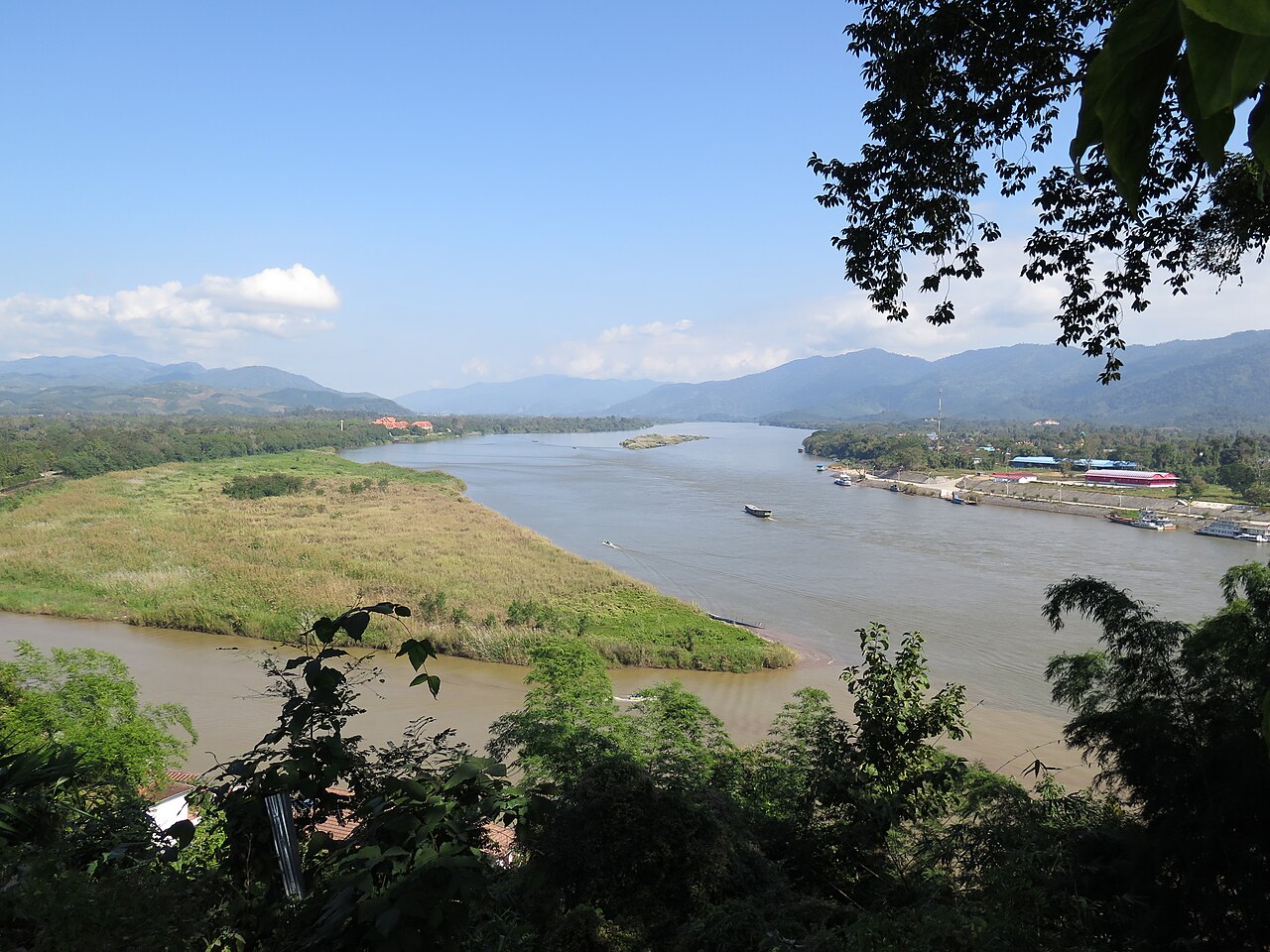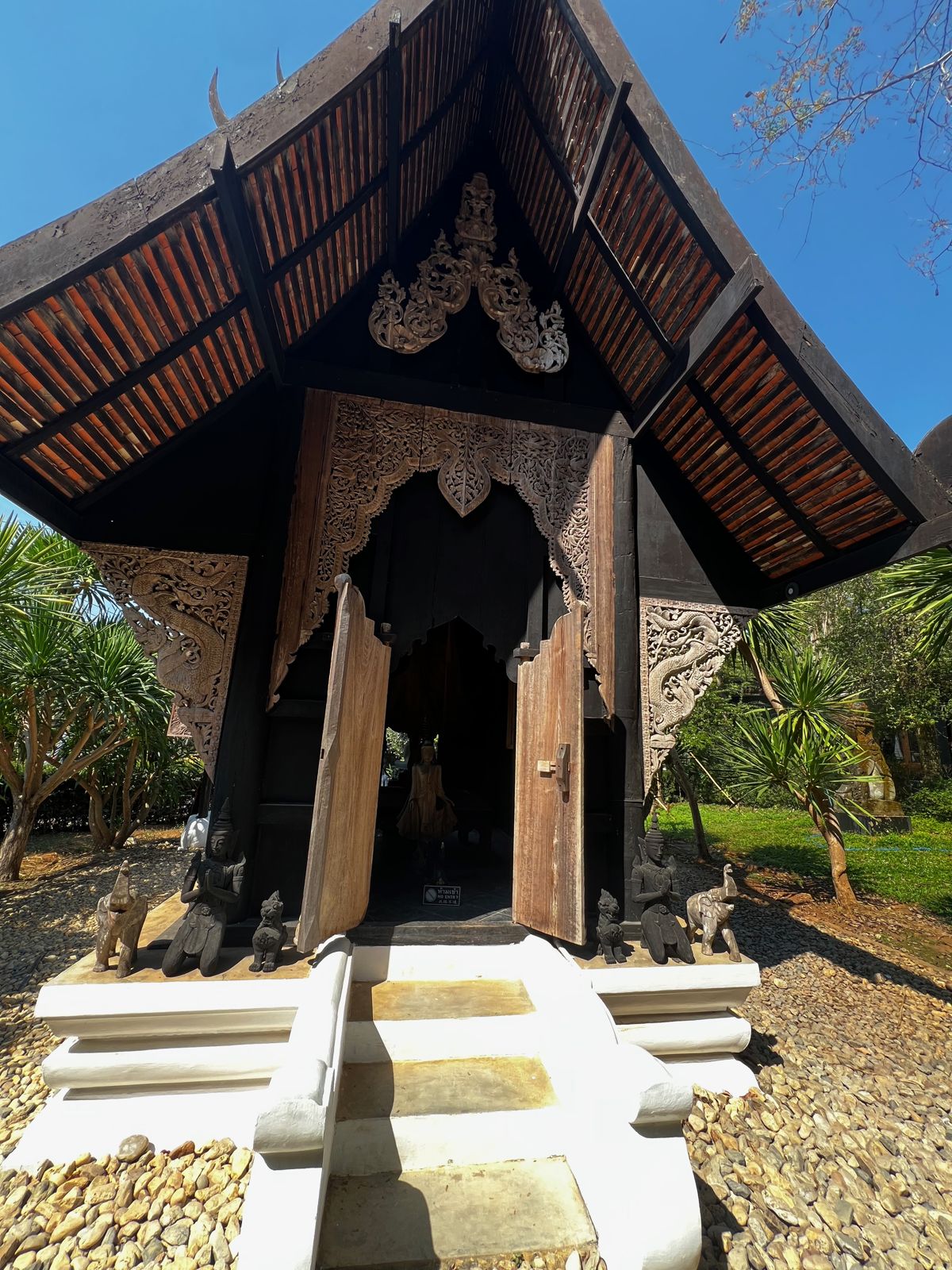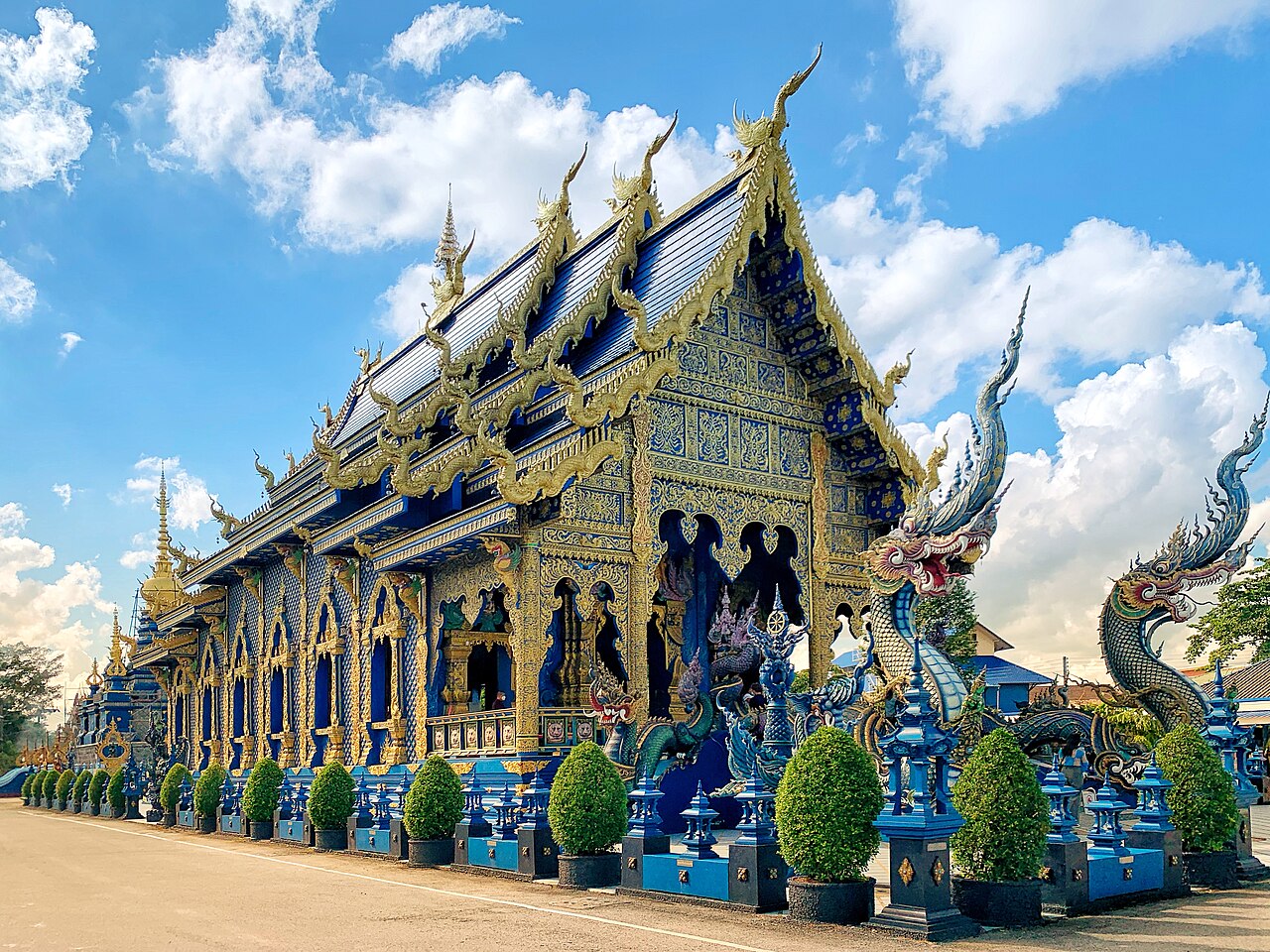
Mae Sai is the far-north end of Thailand, a district and market town where the country meets Myanmar along the Mae Sai River. Thailand's tourism authority notes that Mae Sai Market has been popular with visitors for decades, and a stroll through it explains why. Ten hill tribe groups and a Chinese-Thai community trade here, and the stalls sell electrical appliances, herbs, dried food, brass utensils, baskets and trinkets, so the range is wider and more practical than at a souvenir bazaar. It is a working border market as much as a visitor stop, which gives it energy and a certain chaos. Murals painted in the alleys around the market add a photogenic layer, and many travellers come mostly for the street art and the atmosphere of standing at the edge of two countries.
Plan Mae Sai as part of a longer day, because it lies at the northern limit of the province, well beyond the city. Day tours that combine Doi Tung, the Tham Luang area and Mae Sai are common, and they are an easy way to reach it without arranging your own driver.
If you drive, allow plenty of time each way and keep the afternoon free so you are not rushing the market. Go on a dry morning if you can; the alleys are more pleasant to explore when it is cool, and the light is better for photographs of the murals.
Crossing into Myanmar is a separate matter and should not be assumed. Thailand's tourism authority has noted that the border has often been closed because of conflict and security issues, and that Thai visitors needed a border pass to cross to Tachileik. If shopping across the river is part of your plan, bring your passport, follow the rules on the day, and check what you may bring back, because some Myanmar products are not allowed into Thailand.
Conditions change, so ask your hotel or driver for current advice before you travel, and have a plan that works even if the crossing is closed.
In the market itself, bargaining is part of the culture but should stay friendly. Look for useful local products rather than generic trinkets: dried food and herbs, woven baskets and brass items are good examples of what traders sell, and they give you a sense of what shoppers on both sides of the border actually buy. Keep small notes handy, carry water, and wear comfortable shoes for the uneven pavements. Be mindful of your belongings in crowded lanes, as you would in any busy market.
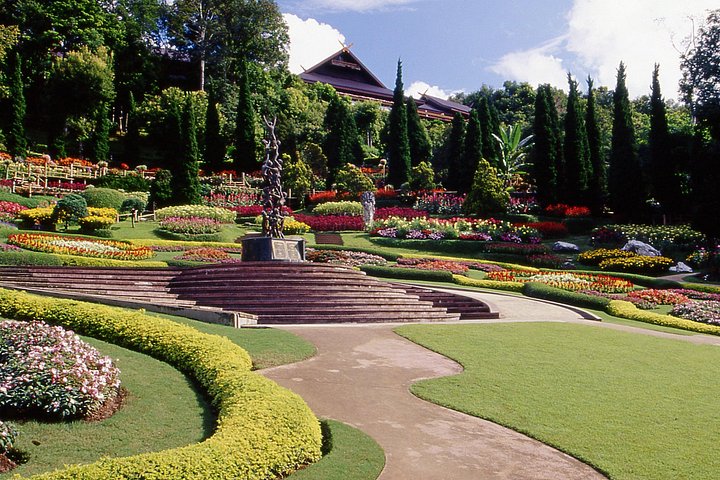
A good itinerary pairs Mae Sai with other far-north stops. Start with the royal villa and gardens at Doi Tung, continue to the Tham Luang area, and finish in the market in the late afternoon. Allow one to two hours for the market and alleys, longer if you enjoy photography or want to eat. It is best for curious travellers who like real, slightly rough-edged places, and less so for anyone who wants a polished attraction. Free to wander, it rewards patience and a willingness to look closely at the details.
Finally, think about what to carry home. Practical goods, snacks and small gifts are easy to pack, but check weight limits on flights and avoid anything with an unclear origin. If you buy food, make sure it is sealed. Keep your day relaxed, stay hydrated and leave time on the way back for a roadside coffee stop, because the drive south is long and the afternoon light over the hills is worth watching.
What to expect
The experience
A walk through a busy border market and the mural-painted alleys around it, with time to eat and shop.
Best time
A dry morning, when it is cooler and the light is good for photographing the murals.
How long
One to two hours, plus the travel time from the city.
Tips
Bring small notes and your passport, check the border status before you travel and keep an eye on your belongings.
Quick picks
- Best for
- Curious travellers who like real, busy local markets and street art.
- Families
- Fine for older children, but the lanes are crowded and the travel day is long.
- Couples
- A lively stop in a longer day through the far north.
- Pair with
- Combine it with Doi Tung and the Golden Triangle in one big day out.
- Time needed
- One to two hours at the market, in a full day trip.
Good questions
What is Mae Sai Market known for?+
Thailand's tourism authority says it has been popular with visitors for decades. Ten hill tribe groups and a Chinese-Thai community trade there, selling appliances, herbs, dried food, brass utensils, baskets and trinkets.
Can I cross into Myanmar?+
Do not assume so. The border has often been closed, and Thai visitors have needed a border pass to cross to Tachileik. Check current rules with your hotel or driver on the day.
What about the street art?+
Murals in the alleys around the market are popular photo stops. Allow some time to wander beyond the main lane.
How far is it from Chiang Rai city?+
Mae Sai is at the northernmost part of the province, so it is a long drive. Most visitors reach it on a day trip that also includes Doi Tung or the Golden Triangle.
Is there an entry fee?+
No, it is a public market. You pay only for what you buy and eat.