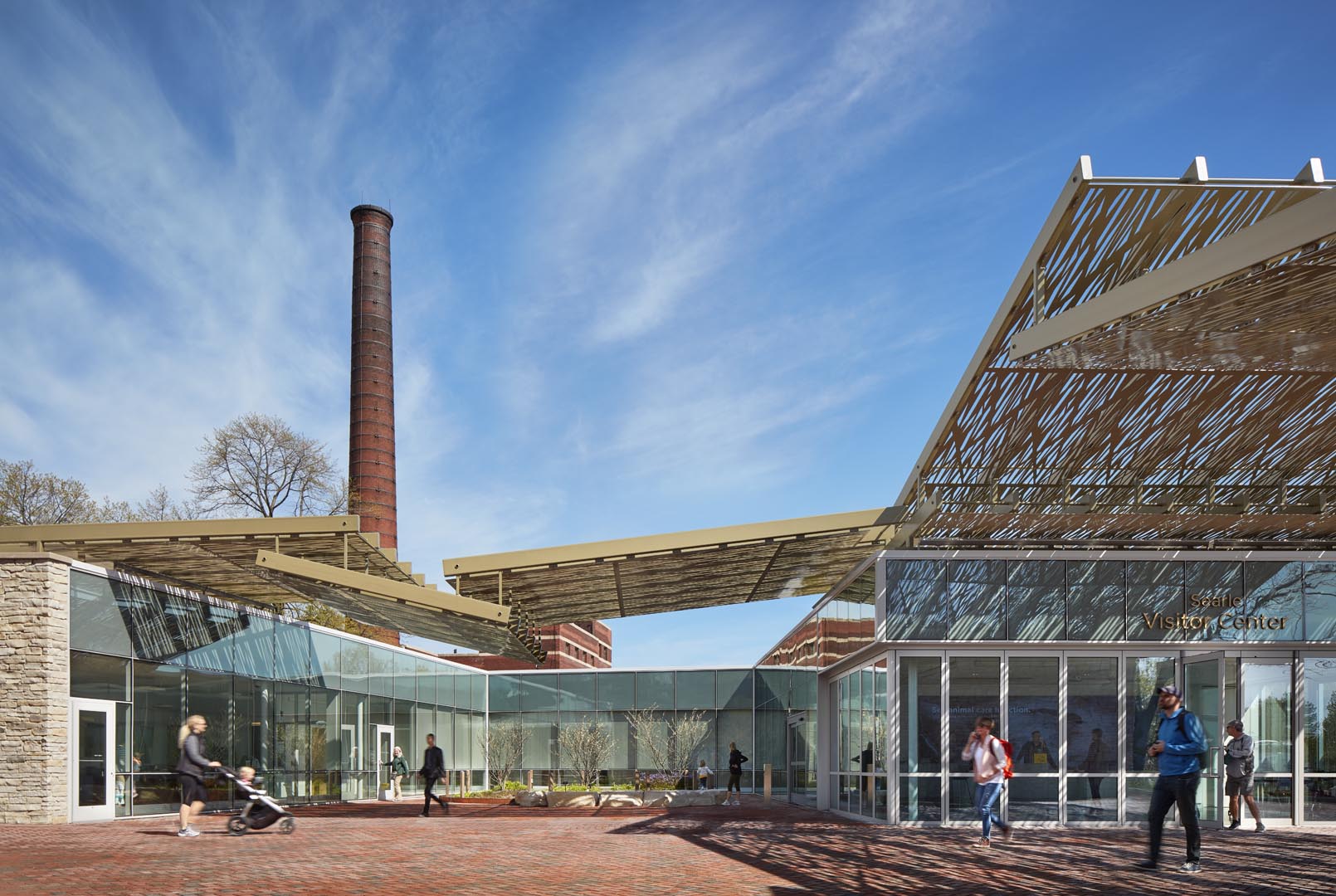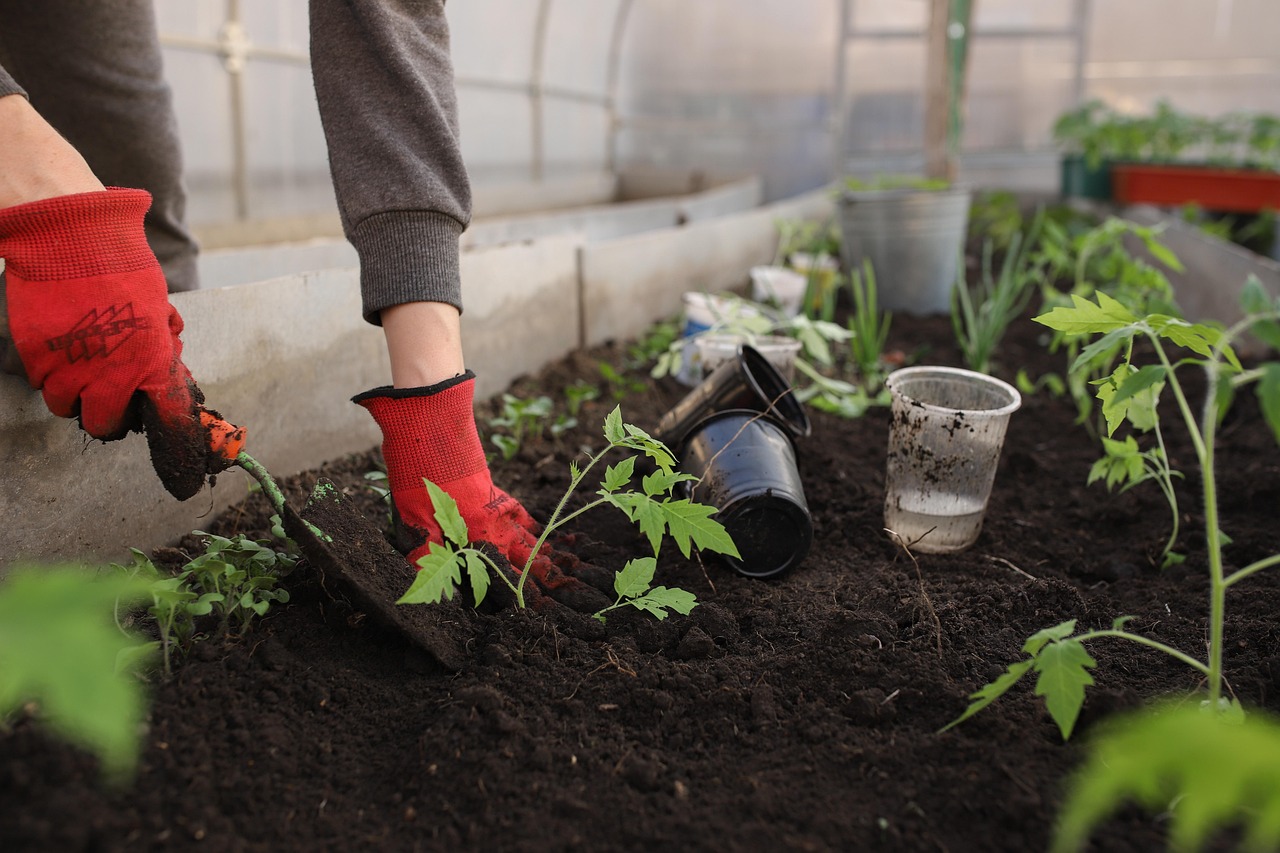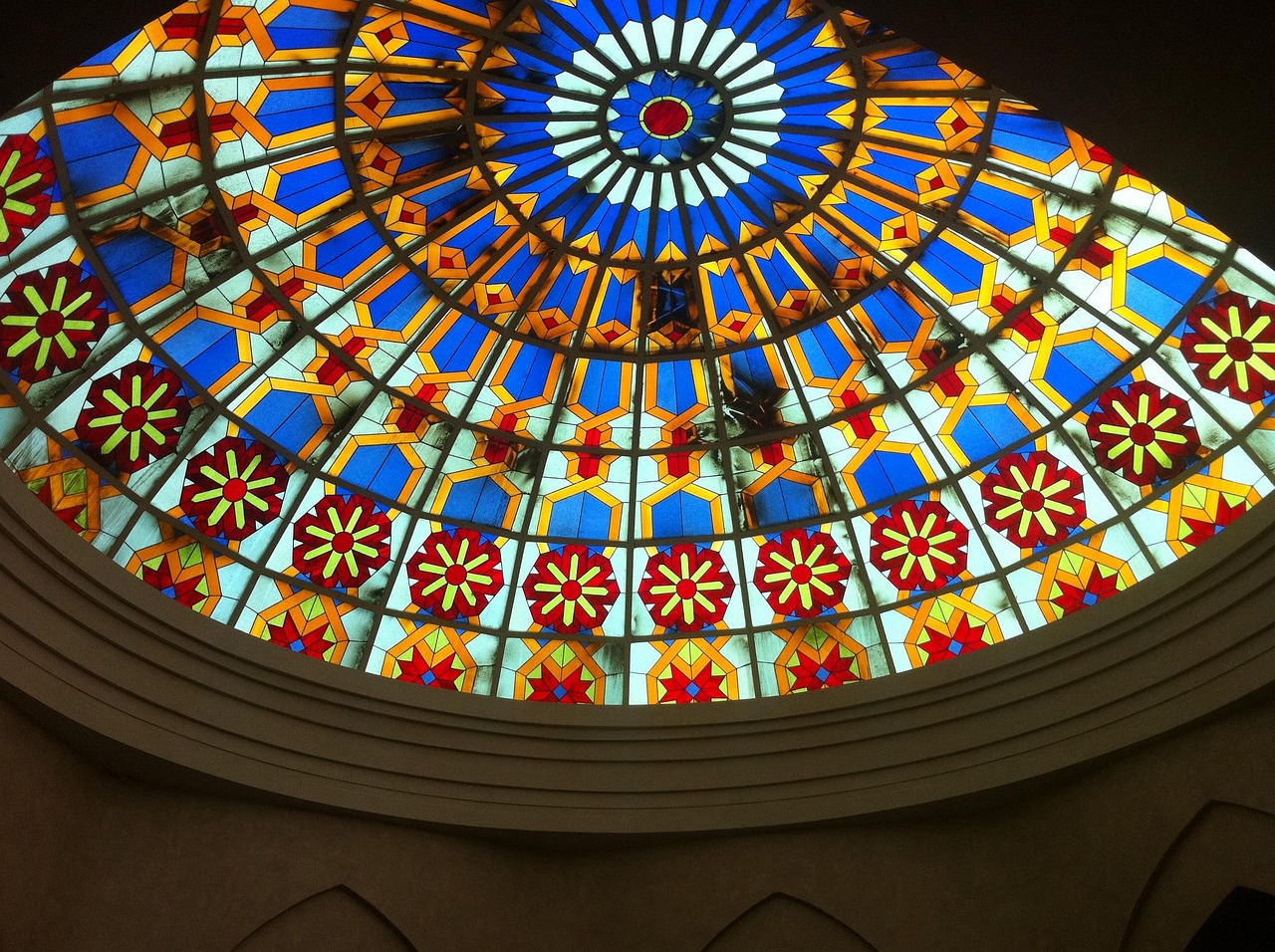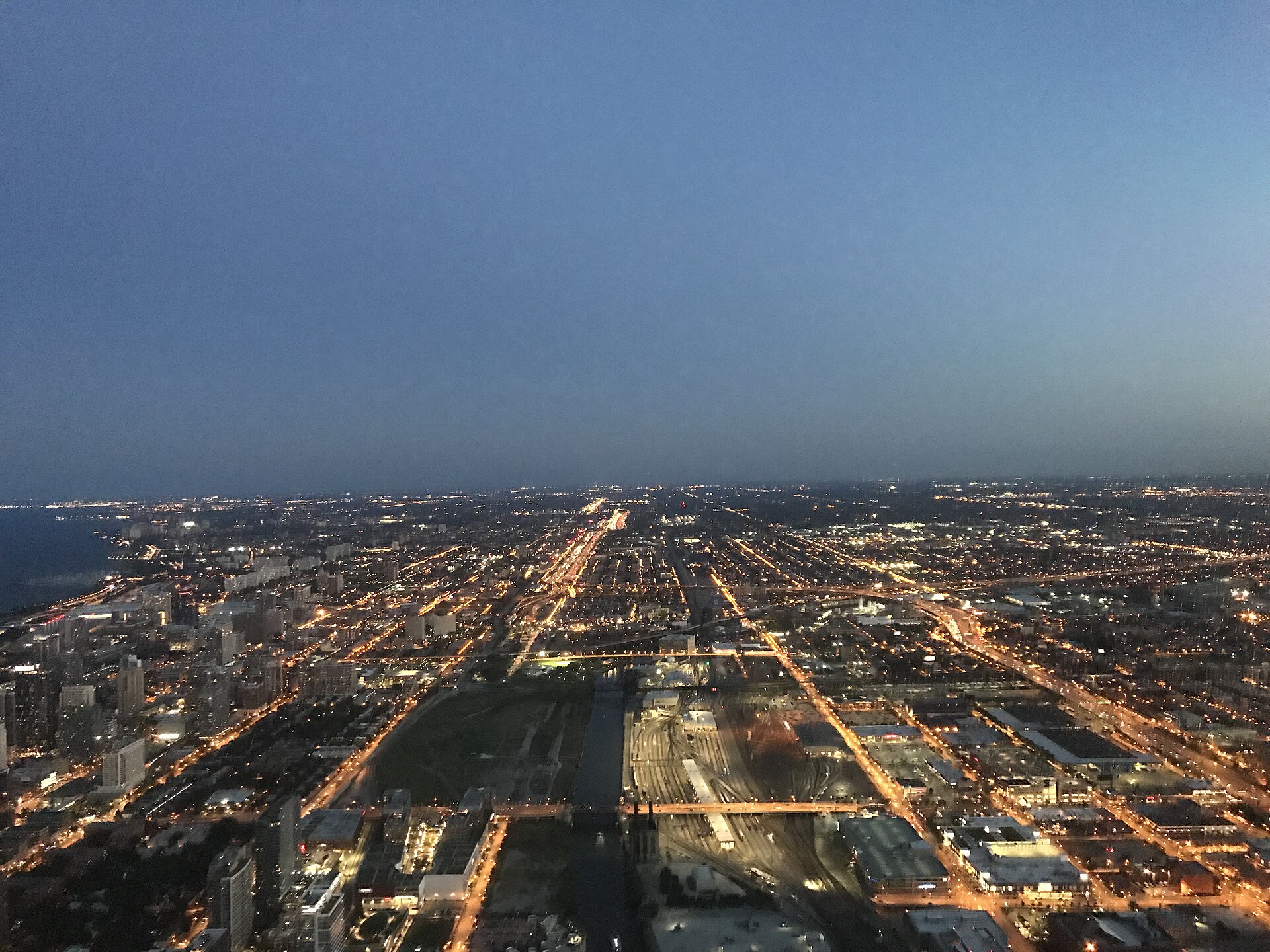
The Garfield Park Conservatory is one of the largest conservatories in the nation and Chicago's most underrated free wonder: two acres under glass on the West Side (a straight Green Line ride from the Loop — the Conservatory stop deposits you at the door) built 1906-08 to Jens Jensen's revolutionary idea — not a greenhouse of potted specimens but "landscape gardening under glass": whole idealized landscapes composed inside the haystack-curved glass houses (the form itself Jensen's homage to Midwest haystacks). The rooms deliver the thesis: the Palm House's 65-foot canopy (giant palms over a composed understory, scheffleras gone to forest scale), the Fern Room — Jensen's masterpiece — recreating prehistoric Illinois around a stone lagoon (cycads, tree ferns, the waterfall he fought his engineers to make whisper rather than roar; the room reads as a Carboniferous meditation), the Desert House's agave-and-cacti sculpture garden, the Show House's rotating floral exhibitions (the spring flower show is a city ritual), and Sugar from the Sun — the permanent photosynthesis exhibition that teaches the plant-energy story through the plants themselves, the conservatory's modern educational signature. Outside, twelve acres of gardens (the Monet-inspired water lily ponds, demonstration beds, the beehives) extend summer visits, the children's garden runs climbing-and-digging license, and the events calendar (beer-and-botany evenings, holiday trains) keeps locals returning. Free always (suggested donations welcomed), two hours at stroll pace, and the February trick is the deep cut: tropical humidity and green scale while the lake wind howls — the city's best winter mood correction, no ticket required.
Jensen's story gives the glass its meaning: the Danish-born landscape genius (the Prairie School's gardener — Columbus, Humboldt, and Douglas parks his West Side portfolio) consolidated three failing Victorian greenhouses into this 1908 statement, rejecting the era's specimen-bench clutter for immersive composed landscapes — the Fern Room's lagoon-and-limestone recreation of pre-settlement Illinois was radical museology before the word existed, and the haystack roofline (engineered with the era's great glasshouse builders) made the building itself prairie-referential. The institution's modern arc runs equally dramatic: decades of West Side disinvestment and decline, the 1990s-2000s revival (the Chihuly exhibition of 2001-02 famously announced the comeback and still echoes in the Persian-lily pool piece retained), the 2011 hailstorm's devastation and glass-by-glass restoration, and the Conservatory Alliance's community-anchored present.
Room craft
The Fern Room rewards the slow bench sit (the waterfall's whisper was a Jensen obsession — he made contractors rebuild it until it sounded like prairie water), Sugar from the Sun suits the kids' energy mid-visit, the Desert House photographs best in low winter sun, the Show House's seasonal exhibitions (spring flower show, fall mums, holiday train) anchor repeat timing, and the outdoor City Garden-and-lily months (June-September) double the footprint. Events worth planning around: the summer evening series and the demonstration-garden harvest programming.
Practicals and fit
300 North Central Park Avenue — the Green Line's Conservatory-Central Park Drive stop is the move (the ride from the Loop is 20-ish minutes; the stop was rebuilt for the conservatory and lands at the gate), free with suggested donation, open daily with late Wednesdays traditionally, fully stroller-and-wheelchair navigable, two hours standard. Fit: winter visitors (the February greenhouse correction), plant-and-design travelers (Jensen pilgrimage grade), families (children's garden plus Sugar from the Sun), couples on the free-wonder circuit — and anyone ready to see the West Side the Green Line actually serves.
What to expect
The experience
Two acres of composed landscapes under Jensen's haystack glass — Palm House canopy, the prehistoric Fern Room, desert sculpture, rotating flower shows — free, a Green Line ride west.
Best time
February for the tropical-correction trick; spring for the flower show; late Wednesdays traditionally run quiet evening hours.
How long
Two hours at stroll pace.
Tips
Sit in the Fern Room and listen — Jensen rebuilt the waterfall until it whispered. The Green Line's Conservatory stop lands at the gate. Suggested donation; give it.
Quick picks
- Best for
- Winter's mood correction and the design pilgrimage — Jensen's masterpiece, free.
- Families
- Sugar from the Sun and the children's garden burn energy between the glass rooms.
- Couples
- The Fern Room's lagoon bench is the city's most meditative free seat.
- Pair with
- The Green Line ride itself; the Loop's Cultural Center dome on the return for the free-wonder double.
- Time needed
- One unhurried two-hour escape.
Good questions
Is it really free?+
Always — suggested donations welcomed and deserved. It is among the largest conservatories in the nation at the price of a Green Line fare.
What makes it different from other conservatories?+
Jens Jensen's 1908 thesis: whole composed landscapes under glass rather than specimen benches — the Fern Room recreates prehistoric Illinois around a lagoon, radical museology before the word existed.
How do we get there?+
The Green Line's Conservatory-Central Park Drive stop was rebuilt to land at the gate — twenty-ish minutes from the Loop, easier than driving.
When is the best season?+
February for the tropical trick, spring for the flower show, summer for the outdoor lily gardens — the glass rooms run green year-round.
Is it safe to visit?+
The conservatory and its rebuilt station are a well-trodden visitor corridor with ordinary city awareness applying — thousands make the Green Line trip weekly, and the gate is steps from the platform.