Chicago's story is one of reinvention, and much of that reinvention followed disaster. The city has burned, flooded, been shaken by labour conflict and run through a gangland era that made it infamous worldwide. These events left marks in the streets, the buildings and the stories locals tell, and they are among the most interesting ways to see the city. This guide shows how to follow that darker history, from sober museums to evening ghost tours.
The Great Fire of 1871
In October 1871 a fire started on the city's southwest side and spread north and east, driven by wind and dry wooden buildings. It destroyed a huge part of the central city, left a third of the population homeless and became a defining event in American urban history. The rebuilding that followed drew architects and engineers from across the country and led to the birth of the skyscraper. The Chicago History Museum has exhibits on the fire and the city it destroyed, and the Water Tower on Michigan Avenue is one of the few buildings that survived. A guided walk helps you place those landmarks on the map.
Rebuilding and the skyline
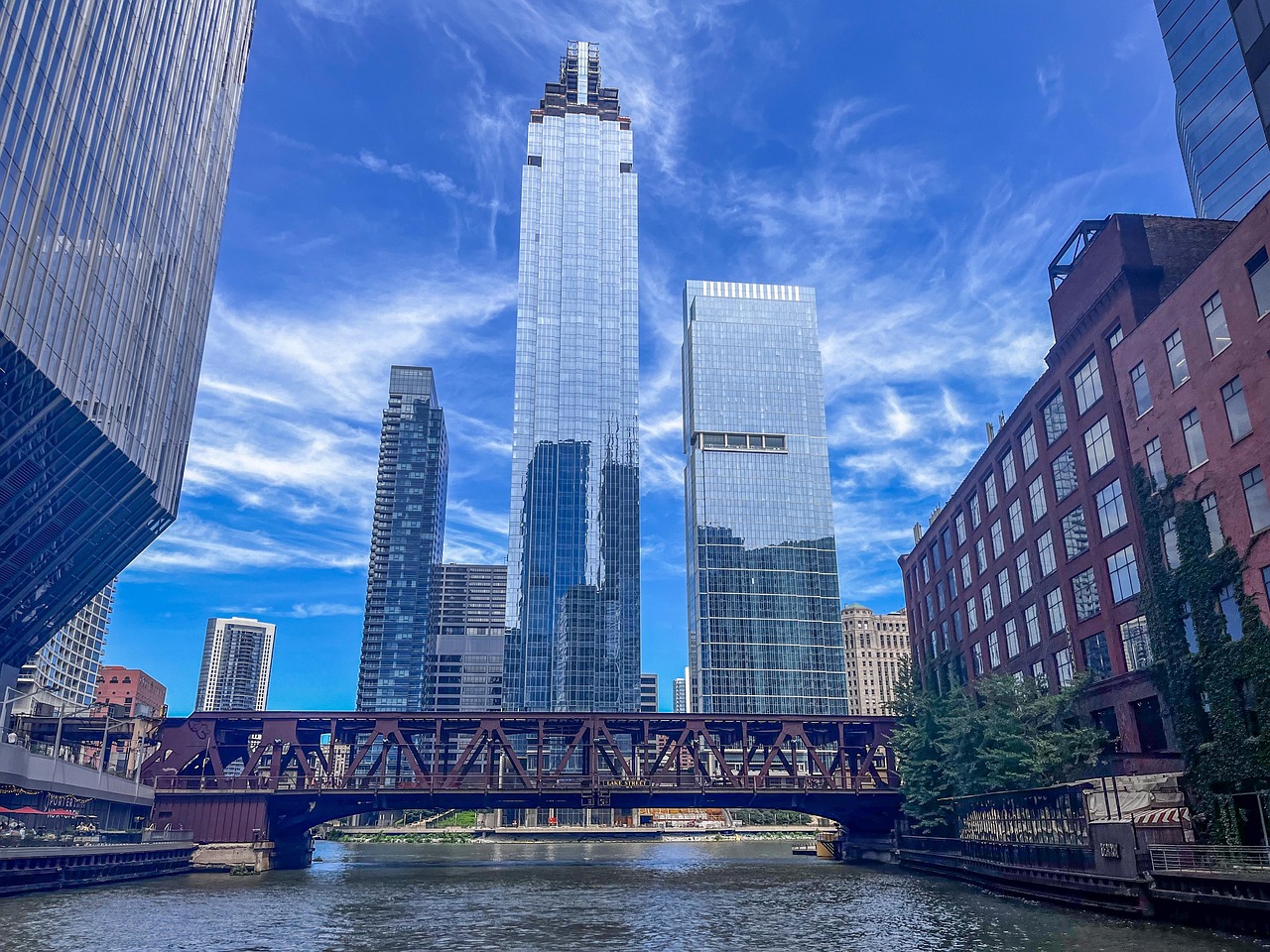
The fire ties directly to the architecture story. Developers wanted fireproof, taller and more efficient buildings, and the steel-frame technique emerged in Chicago in the decades that followed. Visiting the Rookery, the Auditorium Theatre and the Chicago Architecture Center helps you see how the city's recovery shaped the skyline. An architecture river cruise puts this history in context, and the observation decks show how far the city has grown.
Prohibition and organised crime
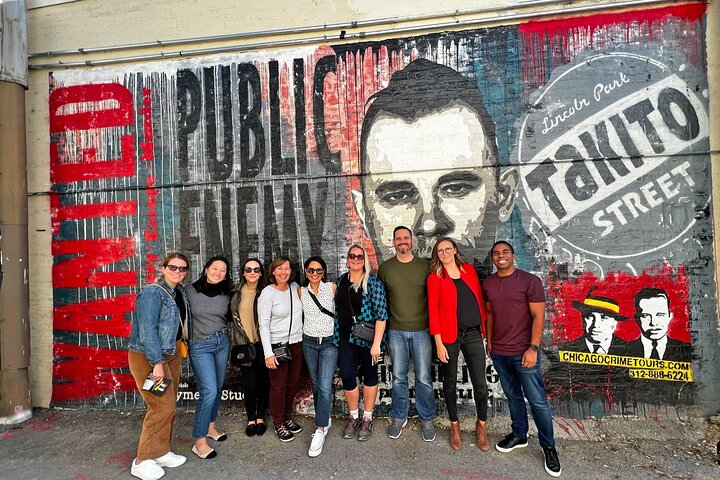
In the 1920s Chicago became synonymous with bootlegging and gangsters. Figures such as Al Capone ran extensive operations, and violent episodes made national news. Today, the history is a major draw for visitors. A crime and mob bus tour takes you past former speakeasy locations, gangland landmarks and sites linked to well-known events, with guides who share the stories behind them. Some of the details are legend, and a good guide separates fact from folklore, but the era's influence on the city's reputation is real.
Disasters on the water
Chicago's relationship with the river and lake has had tragic moments. In 1915 the passenger ship Eastland capsized at its dock on the river, killing hundreds of people, a disaster that remains one of the deadliest in the city's history. Plaques and memorials mark the spot along the Riverwalk, and walking tours often mention it. The river was also reversed in 1900 to protect drinking water, an engineering feat that changed the city. Understanding these events adds depth to a river cruise or Riverwalk stroll.
Labour history
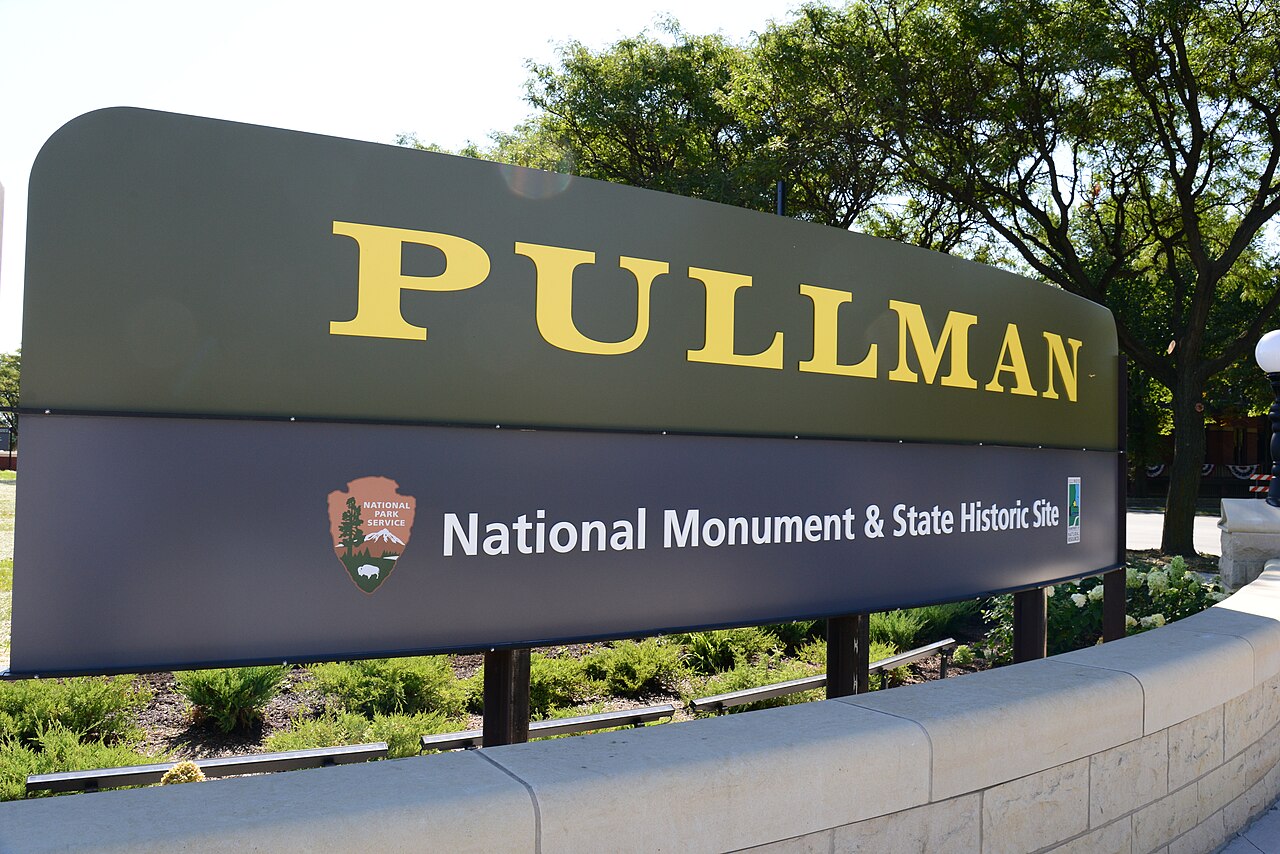
The city was a centre of the labour movement, and events such as the Haymarket affair in 1886 and the Pullman strike of 1894 shaped national debates about work and rights. Pullman National Historical Park on the far South Side preserves the company town built for railway car manufacturing and tells the story of workers and industry. It is a quieter, more reflective stop than the downtown sights and shows another side of Chicago.
Ghost stories
Where history is dramatic, legends follow. Chicago has a rich tradition of ghost stories, linked to old hotels, theatres, cemeteries and the fire and river disasters. Evening ghost tours by bus or on foot gather these tales into a route, and the best guides blend documented history with folklore. Even if you are sceptical, the tours are an entertaining way to learn about parts of the city you would otherwise pass without notice. Expect a mix of spooky and humorous, and check the age guidance if you travel with children.
A themed itinerary
Start the day at the Chicago History Museum for the factual background to the fire, then walk to the Water Tower and Michigan Avenue to see the survivors of 1871. Take an afternoon architecture tour or river cruise to link the rebuilding to the skyline. In the evening, join a crime and mob tour or ghost bus tour, followed by dinner in a historic tavern or classic Chicago steakhouse. On a second day, travel south to Pullman for the labour story, or visit the Rookery and Auditorium Theatre for interior views.
Practical tips
Many of these tours are outdoors, so dress for the weather. Evening departures are popular in autumn, when the season adds atmosphere, and book ahead for weekends. Keep a healthy sense of perspective: some stories are well documented, others are folklore, and both are part of what makes the city's past feel alive. Respect memorial sites, which commemorate real loss, and follow guides' instructions at stops.
Chicago's darker history is not a side note. It explains why the city looks and feels the way it does, from its tall steel buildings to its stubborn, rebuilding spirit. Exploring it adds depth to any visit, whether you spend one evening on a ghost tour or a full day tracing the fire, the gangsters and the workers who built the city.