Chicago has a reputation for hard winters, and it is earned: January and February bring cold, wind off the lake and the occasional snowstorm. Yet the city is one of the best in the country for a cold-weather trip, because so much of what makes it special happens indoors. The museums are world class, the theatres are warm and the food is built for the season. Even in spring and autumn, when rain and wind can arrive on short notice, a flexible plan keeps a trip on track.
How to dress
The wind is the main enemy, not just the thermometer. Between the tall buildings and along the lake, it can make the air feel much colder than the forecast. Wear layers: a warm base, an insulating middle and a windproof outer layer. Add a hat, gloves, a scarf and waterproof shoes with good grip, since pavements can be icy. In wet weather, a compact umbrella struggles in the gusts, so a hooded waterproof jacket is the better choice. Many Loop buildings are linked by lobbies and underground routes, which helps you stay warm between sights.
Start with the museums
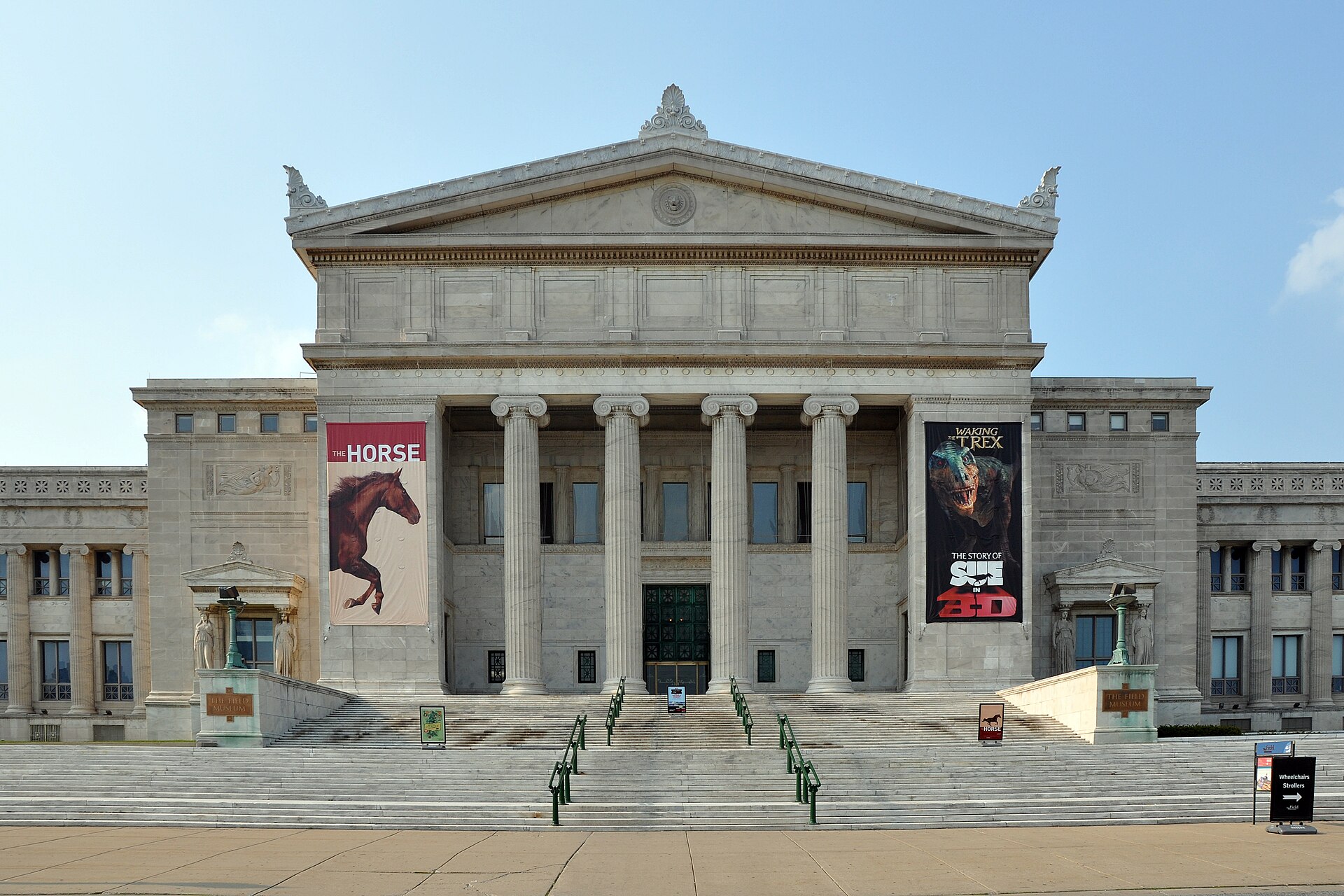
Chicago's major museums can fill a whole day each, which makes them the backbone of a bad-weather plan. The Art Institute holds a vast collection from ancient art to modern masterpieces. The Field Museum covers natural history, including the dinosaur halls that delight children. The Museum of Science and Industry is built for hands-on exploration, with a coal mine and a captured U-boat among its famous exhibits. The Adler Planetarium and Shedd Aquarium round out the lakefront campus, and the Chicago History Museum and Museum of Contemporary Art give smaller, more focused options. Check opening hours and any timed entry before you go, because winter schedules can differ.
Warm up with architecture
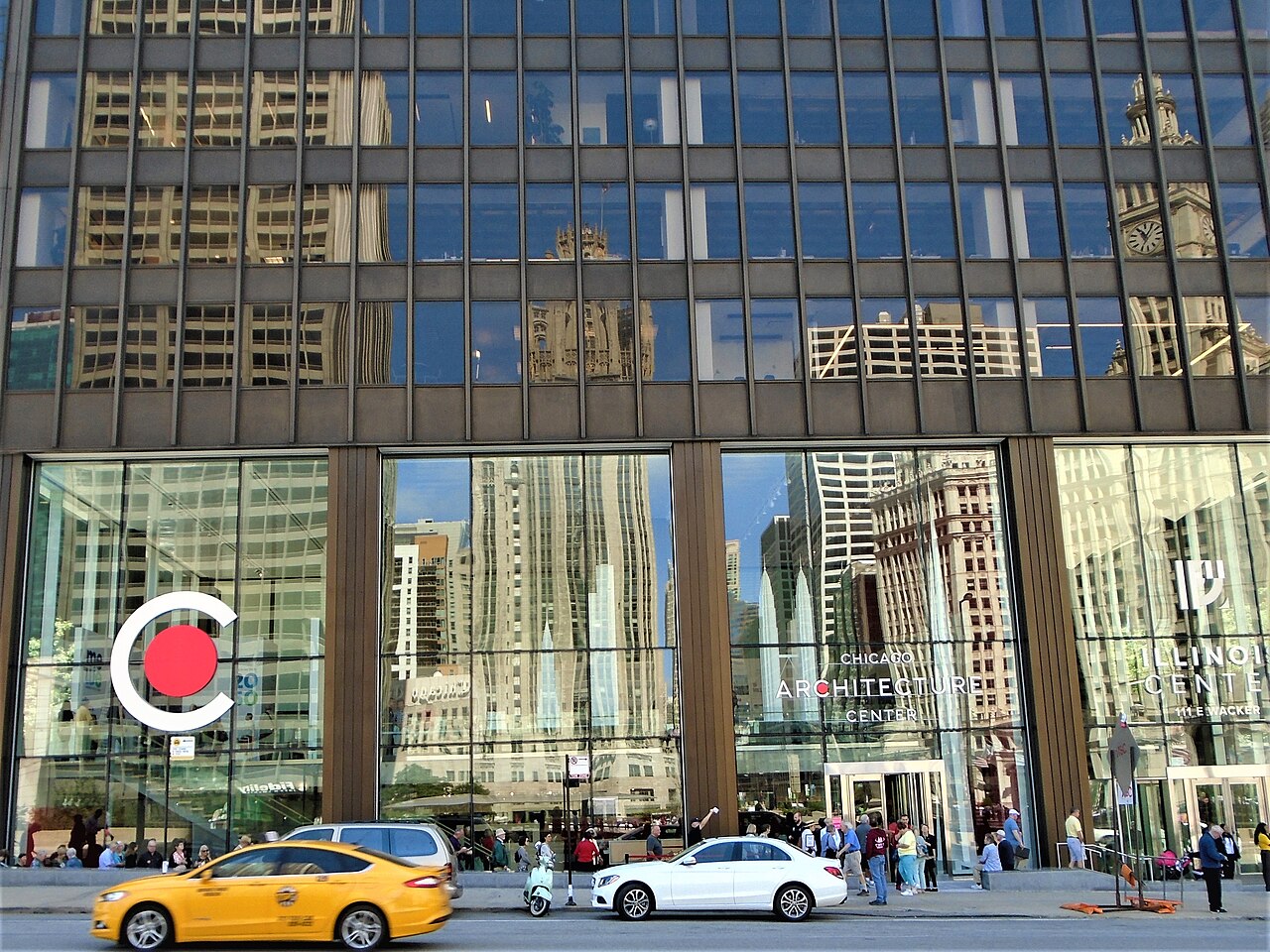
You do not need good weather to enjoy the buildings. The Chicago Cultural Center has a famous Tiffany dome and is free to enter. The Rookery Building has a light-filled Frank Lloyd Wright-remodelled lobby, and the Chicago Theatre and Auditorium Theatre both offer interior tours that show off ornate historic spaces. The Chicago Architecture Center provides exhibits and models of the skyline, a good rainy-day alternative to the river cruise, which is seasonal. Walking the Loop's interior lobbies and arcades is a pleasure in its own right.
Evenings out
Winter is theatre season, and the Loop's historic theatres host touring productions throughout the year. The Second City and other improv venues have shows most nights, and blues and jazz clubs are lively when the weather is poor, since a warm room and live music are an attractive combination. Book popular shows in advance. Attractions such as the escape game and magic show are also indoor options that work well in groups or for families who want something active away from the cold.
Winter highlights
Chicago does not hide from the season. A holiday market in the Loop brings crowds in the weeks leading up to the holidays, with mulled wine, ornaments and food stalls. Ice skating in the parks, lit-up shopping streets and decorated windows add a festive feel. Observation decks can be clear and dramatic on cold, bright days, when the air is crisp and visibility is long, though low cloud can ruin the view, so check the conditions on the day and keep the plan flexible. Hotels and flights are often easier to find outside peak summer.
Eat warm
Deep-dish pizza is winter food by nature, and a food tour is a good way to taste it alongside other local classics such as Italian beef. Steakhouses, diners and tavern-style pizza places all suit a cold evening. Brewery taprooms are cosy places to wait out a storm, and a bus tour between them adds a social element.
Getting around
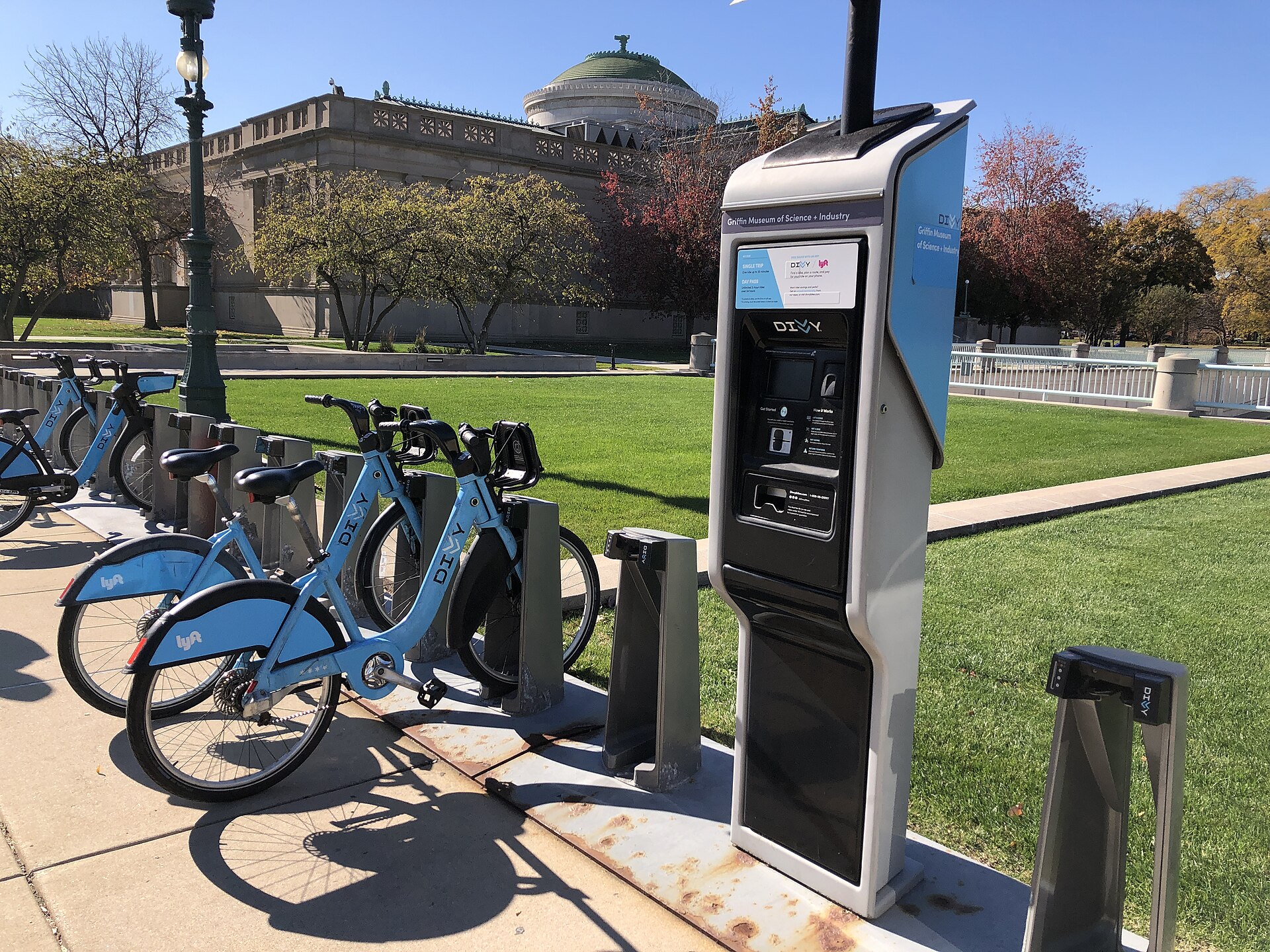
The L and buses run through winter, and most stations are heated or have warm waiting areas. Allow extra time when snow is falling, check service alerts, and keep to main routes. If you are driving, remember that snow removal priorities and parking rules change during storms, and that street parking can be restricted. Rideshare prices may rise in bad weather, so the train is often the most reliable option. Wear shoes you can walk in, since a short walk between stops can turn into a long one.
Sample plan for a cold weekend
On the first day, take an architecture-focused morning at the Cultural Center and the Rookery, lunch in the Loop, and an afternoon at the Art Institute, followed by a show in the Theatre District. On the second day, spend the morning at the Field Museum, have a hearty lunch, and use the afternoon for the Museum of Science and Industry or the aquarium. In the evening, try deep-dish pizza and a comedy show. If the sky clears, take the elevator up an observation deck for a sunset view of the frozen lake.
Be flexible
The best bad-weather strategy is a plan with swappable pieces. Pair each outdoor idea with an indoor back-up, reserve timed tickets only when you are confident, and keep a half-day open for a surprise. Chicago rewards visitors who adapt, and a cold afternoon with a good museum and a warm meal is as much a part of the city's character as a summer day on the lakefront.