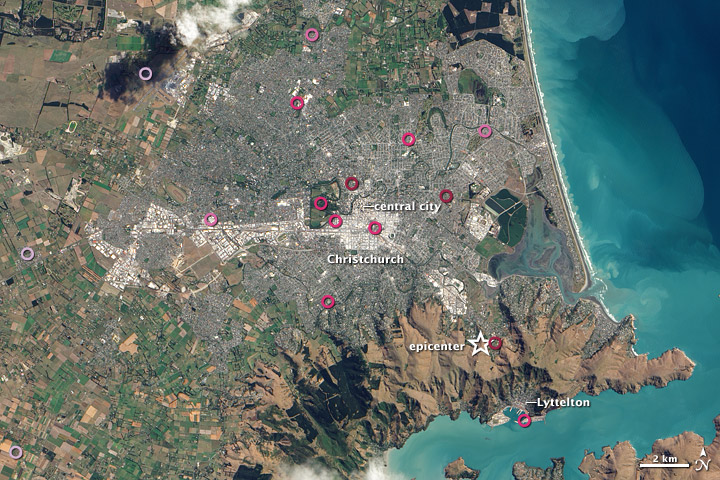
Christchurch is a city that explains itself through its streets. Two earthquakes, on 4 September 2010 and 22 February 2011, changed the centre more than any event in its modern history, and the years since have produced a city of restored stone buildings, open spaces, public art and new architecture. A visitor who understands that story sees much more than a visitor who does not. This guide gives you a simple order for learning it, mixing a guided walk, an exhibition, a memorial and a few places where you can see recovery at work.
Start with a walk
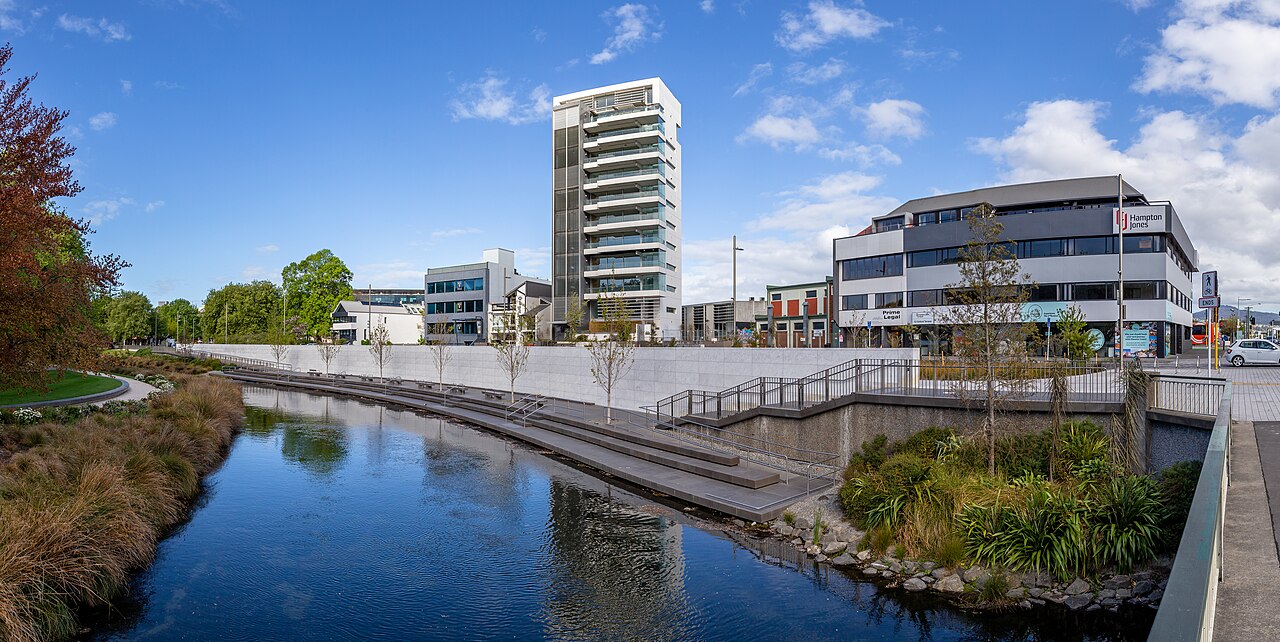
The Christchurch Earthquake and Heritage Walking Tour is the easiest way in, because a local guide can show you what stood on a site, what replaced it and why some spaces were left open. Do it early in your stay, ideally on your first full day. If you prefer to go alone, start in Cathedral Square, walk to the river and loop back through New Regent Street and the streets around it, looking for the mix of old and new. The walk is flat, so it suits most visitors, and a light waterproof layer is wise in every season.
Then go indoors at Quake City
Quake City at 299 Durham Street North is the best place to hear the personal side of the story. Allow about an hour. The exhibition follows the first quake, the aftermath and the rebuilding, and it includes objects from Christ Church Cathedral, a bell from the Cathedral of the Blessed Sacrament, clocks from the old railway station and a hands-on display that explains liquefaction. The subject is serious, and children often engage most with the liquefaction display. If you are short of time, this is the one stop in this guide to keep.
Pause at the memorial
The Canterbury Earthquake National Memorial stands beside the Avon River, a short walk from Quake City. It is free, quiet and open to everyone. It is a place to reflect rather than to tick off, so allow a few minutes of stillness and treat it as the emotional centre of the day. Visit with respect, keep voices low and remember that many local people have a personal connection to the names.
See recovery at work
Tūranga, the central library on Cathedral Square, shows the new city at its best, with a bright, open building that works as a community space as much as a library. The Arts Centre, in its Gothic Revival buildings, shows the other side: a historic site carefully restored and now full of cafes, studios, galleries and markets. The Christchurch Art Gallery, free to enter, and the Riverside Market add the lighter side of the centre, with local food and a lively atmosphere. The tram, with its loop of around 18 stops, links most of these places in a single ride, so a day ticket is useful when your feet get tired.
A suggested day
Morning: the walking tour, then coffee on New Regent Street. Midday: lunch at the Riverside Market. Early afternoon: Quake City and the memorial. Late afternoon: Tūranga and the Arts Centre, or the art gallery if the weather has turned. That is a full but comfortable day, and it leaves your second day free for a trip to Akaroa, Hanmer Springs or the gondola.
Where to stay for this
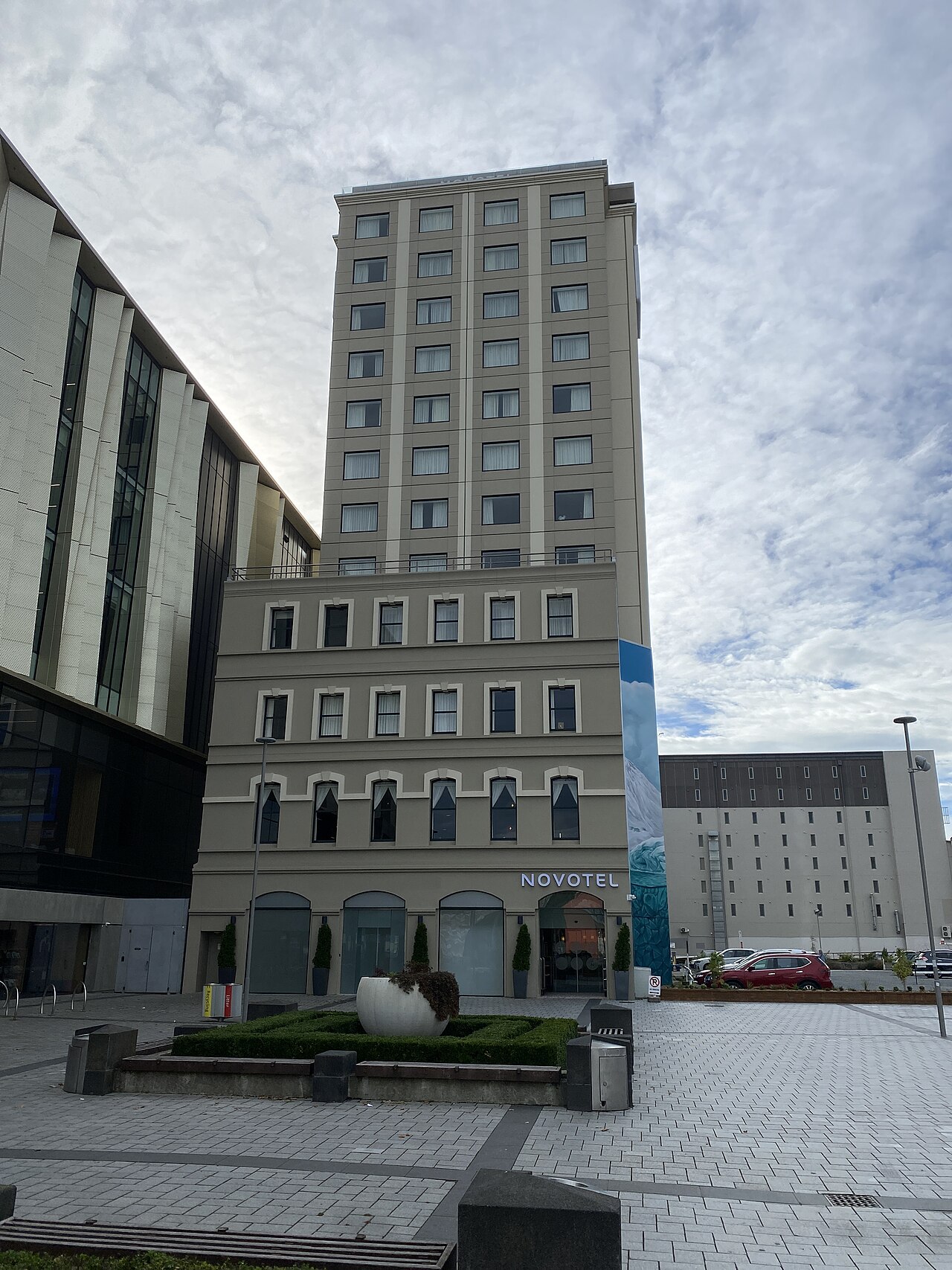
If you want the sights on your doorstep, choose a central hotel. Crowne Plaza Christchurch on Colombo Street and Adina Heritage Christchurch on Cathedral Square are both within a few minutes' walk of the square, and Novotel Christchurch Cathedral Square and Distinction Christchurch Hotel are in the same area. The Quest Cathedral Junction apartments suit longer stays with a kitchen and laundry. All of them make it easy to walk back for a rest between stops.
Tips for a respectful visit
Remember that this is living history for many Cantabrians. Ask before photographing people, avoid treating the story as a spectacle and be prepared for emotions of your own. Check opening hours at each place before you set out, since exhibitions and public spaces can change their hours. Wear comfortable shoes, and book the walking tour ahead in busy periods.
Our short answer
Give the story one day. Begin with a guided walk, add Quake City and the memorial, then finish with the buildings that show what a city can do after a disaster. It is the best way to make the rest of your trip, from the Botanic Gardens to the day trips, feel connected to the place you are visiting.