Greece grows more native grape varieties than almost any country of its size, and a tasting is the quickest way to understand why Greek wine has become one of the most interesting in Europe. This session focuses on five native varieties, pouring them side by side with notes on where each is grown, how it tastes and what to eat with it. A local host explains the basics: how Greek wine regions differ, why island wines show salt and brightness, and how indigenous grapes survived when international varieties took over much of the world. On Corfu the vineyards are modest, the traditions are old and the local white grape Kakotrygis has been grown on the island for centuries, so a tasting that includes island wines gives context for what you see on restaurant lists. The session is relaxed and educational rather than technical, so beginners are as welcome as keen drinkers. Small plates or bites often accompany the glasses, which lets you see how the wines behave with olives, cheese and local specialities. It is a good rainy-day plan, an evening alternative to a restaurant and a gentle introduction to Greek wine before you order a bottle with dinner. Group size and the exact wines depend on the operator, so check the details when booking.
How it works
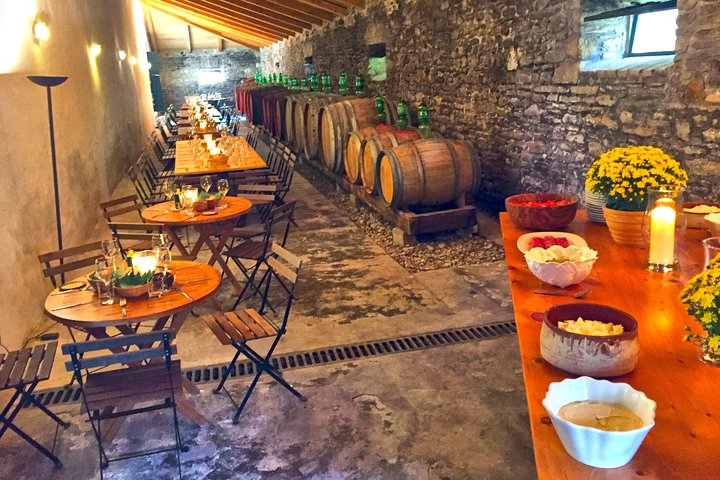
The tasting is a small-group session led by a host or sommelier at a venue in or near Corfu Town. Five wines from native grape varieties are poured in sequence, usually with water and bread for palate cleansing and sometimes with cheese, olives or other local products. Sessions last around an hour or a little more, with time for questions. Wine selections change with availability, and styles run from crisp whites to structured reds.
What to expect
Expect clear explanations and tasting notes without jargon. The host will usually talk about soil, climate, the island setting and the stories behind the varieties, and may offer food pairing tips for dinner. Pour sizes are tasting measures, so the session suits people who want to learn rather than drink heavily. If you do not drink alcohol, ask whether other options are available. Tell the host about any dietary requirements in advance.
Making the most of it
Arrive curious and keep notes of your favourites, because that makes it easy to order confidently later in the trip. Many visitors use the tasting to plan a winery visit, since the session highlights which regions and producers are worth seeking out. Pairing it with the Corfu olive oil tasting or a food tour builds a good picture of local produce. Do not drive after a tasting, and plan your transport home or to dinner.
In summer, evening slots are popular, so book ahead, while winter sessions are quieter and often more personal. If you are travelling with a group of friends, a tasting is a sociable way to spend an hour before dinner. The session also works as a gift or a rainy-day backup, as it is held indoors and does not depend on the weather. Ask the host for a list of the wines you tried so that you can find them in shops or on restaurant menus.
What to expect
The experience
A guided tasting of five wines from native Greek grape varieties with notes and food pairings.
Best time
Evenings or rainy afternoons; the session is indoors and runs in most seasons.
How long
About an hour to an hour and a half.
Tips
Tell the host about dietary needs in advance, drink water between wines and arrange transport afterwards.
Quick picks
- Best for
- Curious drinkers and beginners who want to understand Greek wine before ordering at dinner.
- Families
- Not aimed at children; check the operator's age policy.
- Couples
- A relaxed, sociable hour that pairs well with dinner in the old town.
- Pair with
- A food tour, an olive oil tasting or dinner at a local taverna.
- Time needed
- Around an hour and a half.
Good questions
Do I need wine knowledge?+
No. The session is educational and suits beginners as well as enthusiasts.
Are the wines from Corfu?+
The focus is native Greek varieties, and Corfu's island wines feature in the story of the local scene. The exact selection depends on the operator.
Is food included?+
Many sessions serve small bites such as bread, olives or cheese. Check the details when you book.
Is it available in winter?+
Yes, the tasting is held indoors, so it works in any season.
Can I buy the wines afterwards?+
Hosts often recommend producers and shops, and some venues sell bottles. Ask on the day.