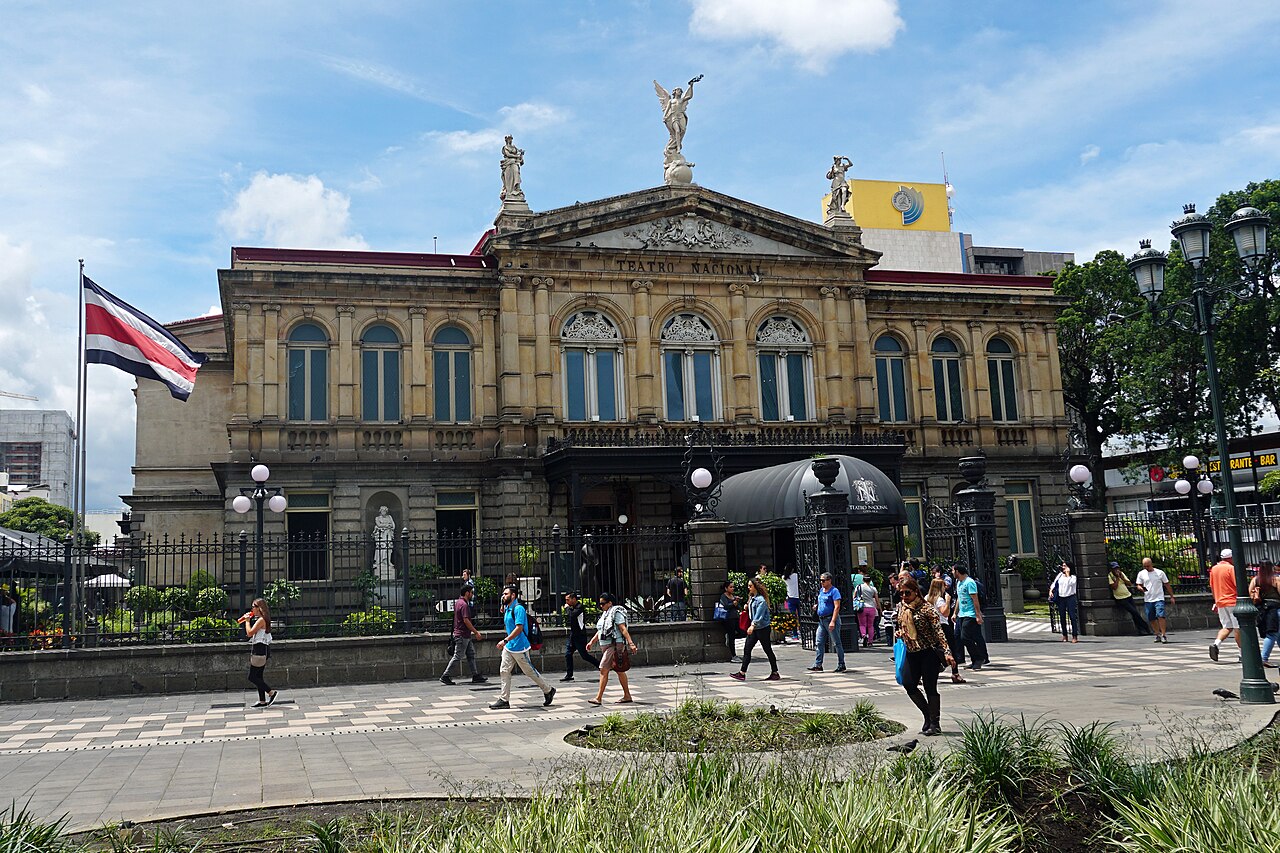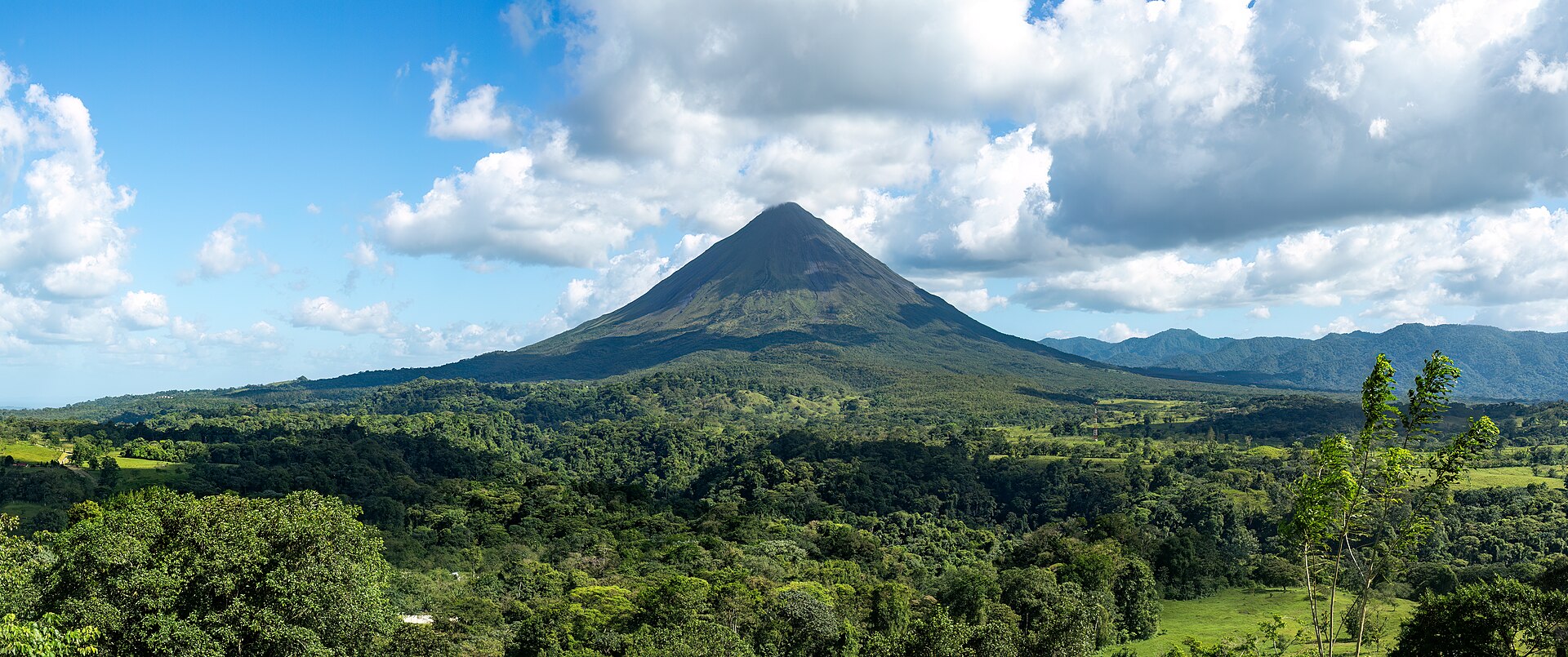
Coffee built modern Costa Rica, and a visit to a working estate is the best way to understand how. Hacienda Doka, also known as Doka Estate, is a family-run coffee plantation on the slopes of Poás Volcano, in the highlands above the town of Alajuela, roughly an hour from San José. The altitude, volcanic soil and cool mornings suit arabica coffee, and the estate sits among rows of bushes shaded by trees, with the Central Valley spread out below. The tour we link is a coffee experience at the estate, with more than three hundred reviews and a strong rating, and it follows the full story of the bean: you walk among the plants, see how berries are picked, learn how they are washed, dried, sorted and roasted, and finish with a tasting of freshly made coffee. Along the way you hear how the coffee boom helped fund the National Theatre in San José and shaped the whole country, which ties this trip neatly to the capital’s sights.
How it works
You book a date and arrive at the estate, which sits in the hills north-west of San José and is reached by taxi, rental car or an organised transfer. Many visitors combine it with other stops nearby, and the estate is also visited on larger day tours that include Poás and La Paz, so make sure you book the option you actually want.
The experience runs for roughly two hours, and tours are usually offered in English and Spanish. Check the ticket for the current departure times and whether a tasting is included.
What to expect
The walk begins among the coffee bushes, where a guide explains varieties, shade, altitude and the harvest, when pickers fill baskets with ripe red berries. You then follow the beans through the processing buildings, from pulping and drying to hulling and roasting, and see the machinery and the people behind it. The tour ends with a tasting of different roasts, often with the chance to try the coffee black, with milk or with a little chocolate.
The estate also has a shop, where you can buy beans and ground coffee to take home, and a café. The tone is informative without being technical, and it suits both coffee lovers and people who simply drink it.
Making the most of it
The harvest season, usually from around November to March, is the best time to see pickers at work, but the tour runs all year and the roasting and tasting are the same whenever you go. Wear comfortable walking shoes, since the paths are uneven, and bring a hat and sunscreen for the sunny stretches. Morning tours are cooler and fit well before a trip to the La Paz Waterfall Gardens or the Sarchí crafts town.
If you are travelling with children, they will probably enjoy the roasting and the smell more than the explanations. Buy coffee at the estate shop on the last day of your trip so it stays fresh for the journey home, and ask the staff how to store it. If you want to go deeper, ask whether longer or more specialised tasting options are available when you book.
What to expect
The experience
A guided walk through a working coffee estate, from the plants to the roasting and a tasting, with a shop and café on site.
Best time
A morning visit is cooler, and the harvest from around November to March shows pickers at work.
How long
About two hours at the estate, plus around an hour each way from San José.
Tips
Wear walking shoes, bring a hat, and buy beans at the shop at the end of your trip so they stay fresh.
Quick picks
- Best for
- Coffee lovers and curious travellers who want to understand the crop that shaped Costa Rica.
- Families
- A relaxed, easy outing, and children often enjoy the roasting and the tastings of chocolate or juice.
- Couples
- A pleasant half-day with views over the Central Valley and a coffee tasting together.
- Pair with
- La Paz Waterfall Gardens or the National Theatre, which the coffee boom helped fund.
- Time needed
- Half a day including the transfer from San José.
Good questions
Where is Hacienda Doka?+
It is on the slopes of Poás Volcano in the highlands above Alajuela, roughly an hour from San José. Taxis, rental cars and organised transfers all reach it.
How long does the coffee tour last?+
The experience usually takes around two hours. Check the ticket for current departure times.
When is the coffee harvest?+
The harvest runs roughly from November to March, though the tour is available all year and roasting and tasting happen whenever you go.
Can I buy coffee at the estate?+
Yes, there is a shop selling beans and ground coffee, plus a café. Buying at the end of your trip keeps the beans fresh.
Is the tour suitable for children?+
Yes, the walk is easy and the roasting and tastings keep children interested. Wear comfortable shoes for the uneven paths.