Cozumel is a long, flat island of roughly 48 kilometres off the Yucatan coast, and almost everything visitors come for is on its western side: the town of San Miguel, the cruise piers, the hotels and the reef. The east coast is wild and mostly empty, the interior is jungle, and the whole island can be circled in a few hours. That makes planning simple, and it comes down to deciding how much of your time goes on the water and how much on land.
What to book ahead
Reserve the water experiences first, since they depend on boat capacity and weather. The classic is the half-day snorkel trip to the Palancar and Columbia reefs and the El Cielo sandbar, and for something gentler there is the small-group turtle sanctuary outing. Certified divers should book a two-tank morning boat dive. If you are on a cruise or short on time, add a land tour that combines San Gervasio with a beach stop, and a ticket for Chankanaab Park or the Atlantis submarine. Most of these are bookable online, and slots fill quickly on days when several ships are in port.
How many days
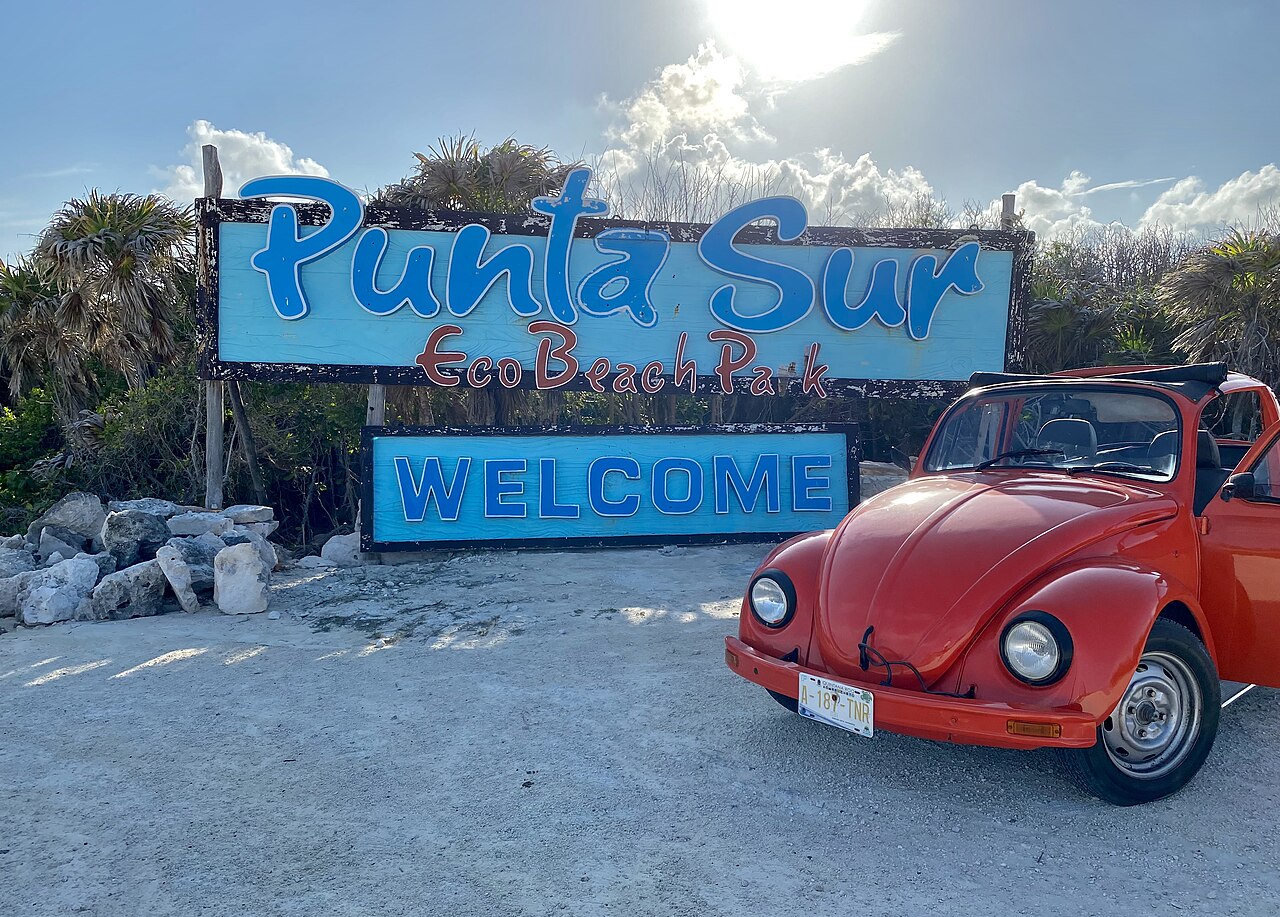
One day is enough for a cruise stop: choose either a reef trip or a park and ruins combination, and keep a margin before all-aboard. Three or four days lets you do a reef trip, a dive or the turtle outing, a land day with San Gervasio and Punta Sur, and a slow beach day. Five days or more suits divers, who will fill the schedule with boat dives, and travelers who want to add the ferry to Playa del Carmen for a mainland day.
Getting around
In San Miguel you can walk the waterfront, the plaza and the museum. For everything else, taxis are the default, with fares set by zone, so agree on the price before you get in. Renting a scooter, buggy or car gives freedom to loop the island, including the east coast viewpoints and the southern reserve, but check insurance and traffic rules, and do not ride after drinking. Many first-timers prefer a small-group or private tour with a driver, which bundles entry fees, lunch and a beach stop. If you arrive by ferry from Playa del Carmen, you step off into the middle of town. Airport transfers are short, usually under half an hour.
When to go
The driest and calmest months run from about November to April, with clear water and comfortable days. Summer is hotter and more humid, and the Atlantic hurricane season runs from June to November, so travel insurance and flexible plans are wise. Rough weather can close the sea to small boats, and the port captain makes the call, so build a spare day into your trip if you can, and read cancellation terms on every booking. Winter northerly winds can make some boat trips choppy.
What to bring and know
Pack reef-safe sunscreen and a rash guard, because many marine parks restrict conventional sunscreen, and bring cash for park and marine fees and tips. The currency is the Mexican peso, though US dollars are widely accepted in tourist areas at less favorable rates. Tap water is not for drinking, so use bottled or filtered water. Respect the reef and wildlife: do not touch coral, starfish or turtles. Most museums and ruins have set days and hours, and the island museum is closed on Mondays, so check before you go.
A simple plan
Day one, walk the waterfront and visit the island museum. Day two, take the snorkel trip to Palancar and El Cielo. Day three, spend a land day at San Gervasio and Punta Sur, with a beach lunch. Day four, relax at Chankanaab or take the Jade Cavern ATV ride. Add a dive morning or the submarine if you want more of the reef. Stay downtown if you like walking to dinner, or on the beach if you like to wake up beside the sea, and the where to stay guide explains the choice.