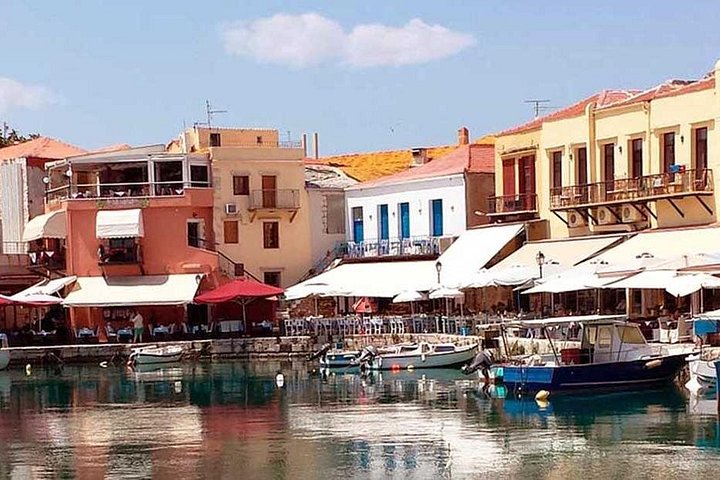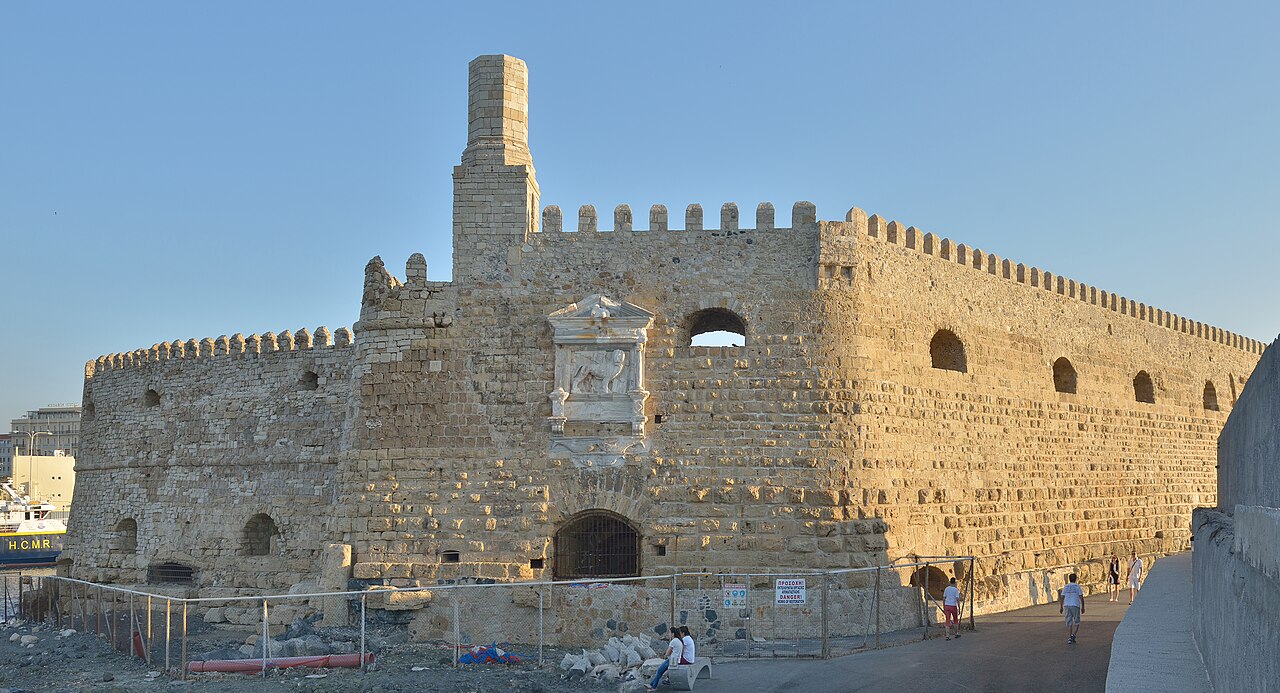
Arkadi Monastery is the place where Cretan history is told most movingly. The monastery sits on a green plateau in the foothills of Mount Ida, a walled complex with a beautiful sixteenth-century Venetian-style church whose facade mixes Renaissance and baroque details. In November 1866, during the great revolt against Ottoman rule, hundreds of Cretans, mostly women and children, sheltered here while a large Ottoman force besieged the walls. When defeat was certain, the powder store was blown up, and the event stirred opinion across Europe, which is why Arkadi became a symbol of Cretan resistance and of the island's long road to union with Greece. A small museum, the old refectory and the monument to the fallen keep the story alive, and the quiet courtyard makes it easy to reflect on what happened here. A full day tour usually pairs the monastery with Margarites, a village of potters whose workshops line a shaded lane, and with Rethymno, whose Venetian harbour, lanes and Fortezza make up one of the best preserved old towns in Crete. Together they give a rounded picture of the west-central part of the island that a first visit to Heraklion or Chania would otherwise miss.
How it works
This is a guided day tour that departs from the Chania area and travels by road along the north coast to the Rethymno hills. A driver-guide covers the history on the way, the group visits each stop in turn, and you are returned to your starting point in the late afternoon.
Check the pick-up point, the departure time and whether lunch is included when you book, and note that the itinerary can vary slightly between operators and seasons. The monastery is a place of remembrance, so shoulders and knees should be covered when you go in.
What to expect
The road climbs through olive groves and villages and the monastery appears behind its high walls at the end of a quiet approach. Time at the monastery is usually about an hour, enough to walk the courtyard, see the church and the powder room and look at the museum.
Margarites is a relaxed stop for browsing ceramics and coffee, and workshops often let you watch a potter at work. Rethymno gets a stretch of free time to wander the Venetian harbour, the Rimondi fountain and the narrow streets, and to have a late lunch at a taverna, so bring a little cash for small purchases.
Making the most of it
Choose a small group departure if you can, because the monastery is most affecting in a calm moment. Wear comfortable shoes for cobbled lanes and carry a light layer for the highland, which is cooler than the coast. If you plan to climb up to the Fortezza in Rethymno, mention it to your guide so the free time is planned around it. The tour pairs well with our Rethymno Old Town and Fortezza page, which covers the town in more depth, and with a later evening in Chania.
Good to know
The monastery stands about twenty-five kilometres from Rethymno, and the journey from Chania takes a little over an hour each way, so the day is long. Many people take the opportunity to buy local honey, herbs and ceramics at Margarites and keep the afternoon in Rethymno free for the harbour and a coffee.
If you are interested in the story, a short read about the 1866 revolt before you go makes the visit far more meaningful. Mobile coverage in the hills can be patchy, so download any maps you need in advance and agree a meeting time and place with the guide.
What to expect
The experience
A guided full-day coach or minibus tour from the Chania area to Arkadi Monastery, the pottery village of Margarites and Rethymno old town.
Best time
Spring and autumn for mild walking weather, or any season when you want the monastery calm; winter days are quiet and cool.
How long
Plan on a full day of about eight hours, with around an hour at the monastery and free time in Rethymno.
Tips
Cover shoulders and knees for the monastery, bring a light layer for the highland and keep a little cash for ceramics and lunch.
Quick picks
- Best for
- Visitors who want Cretan history and village life in a single day, and anyone based in Chania who would like to see Rethymno without driving.
- Families
- Older children who like stories enjoy the siege tale, and the open courtyards and pottery workshops keep younger ones interested.
- Couples
- Margarites and a harbourside lunch in Rethymno make an easy, relaxed day for two.
- Pair with
- Rethymno Old Town and Fortezza, plus an evening food tour in Chania.
- Time needed
- A full day including the drive from Chania.
Good questions
What happened at Arkadi Monastery?+
In 1866 hundreds of Cretans sheltered in the monastery during a siege by Ottoman forces, and when the walls were breached the gunpowder store was ignited. The tragedy became a symbol of the Cretan struggle for freedom and drew international attention to the revolt.
Is there a dress code for the monastery?+
Yes, it is a place of remembrance and worship, so cover shoulders and knees. A light scarf or shawl is handy if you are wearing shorts or a sleeveless top.
Can I do this tour from Heraklion?+
Departures from Heraklion and from the Chania area both exist, so check the starting point when you book. This tour departs from the Chania area, and the drive to Rethymno takes around an hour.
Is Rethymno included or only the monastery?+
The itinerary combines the monastery, Margarites village and Rethymno town, but stops and timings can vary, so check the details at the time of booking.
Is the tour suitable in winter?+
Yes, the sites are open year round and the tour is a good winter option because it is mostly indoors or short walks. The highland can be cool and wet, so bring a jacket.