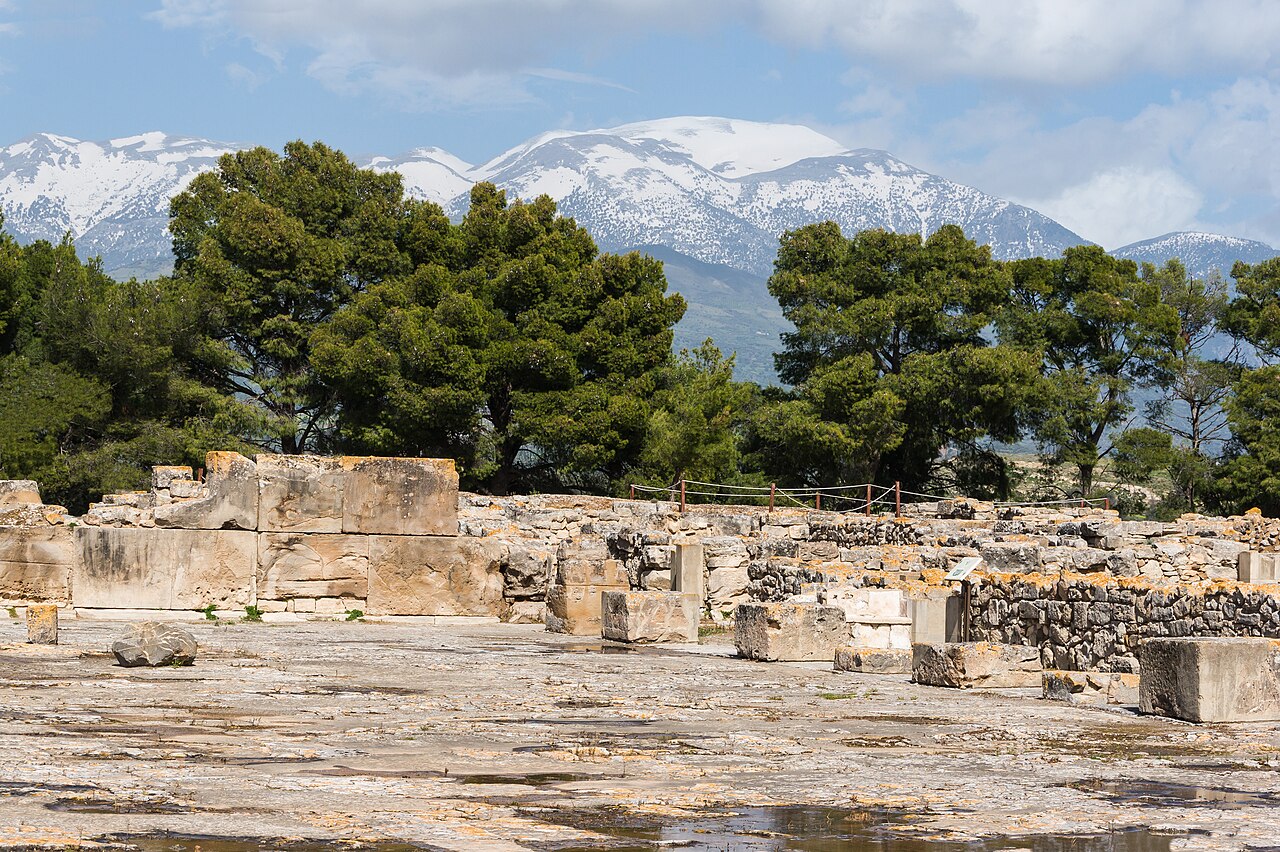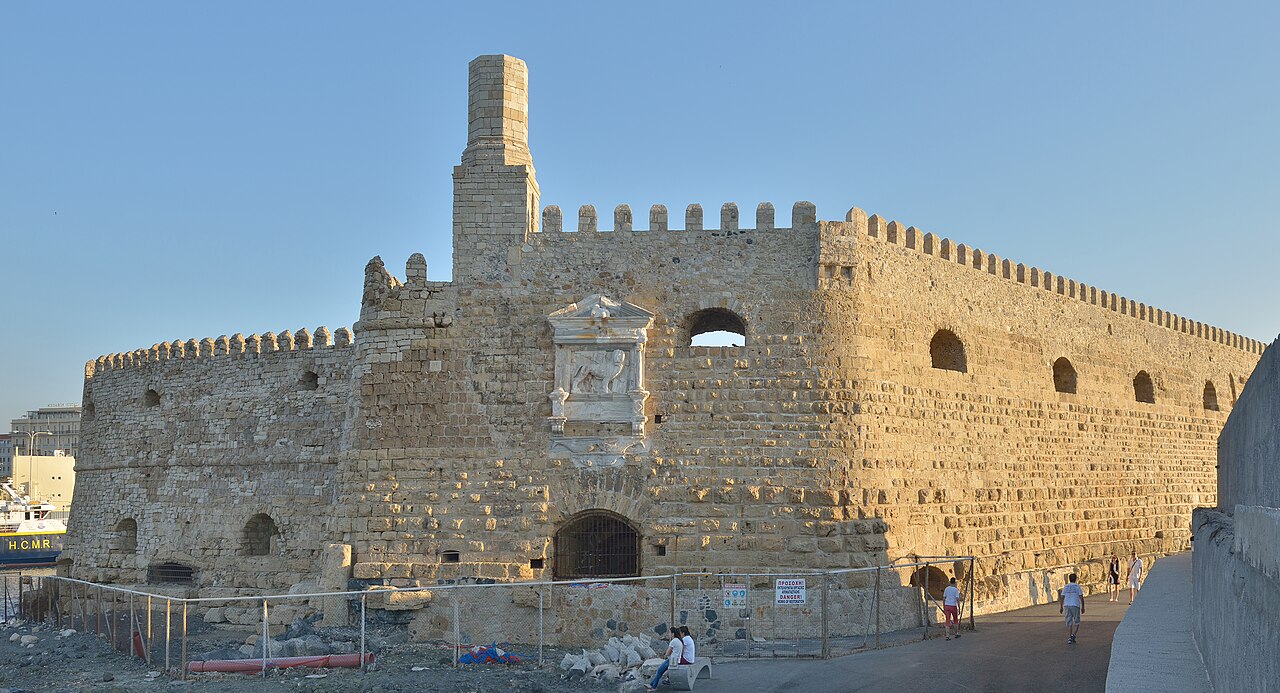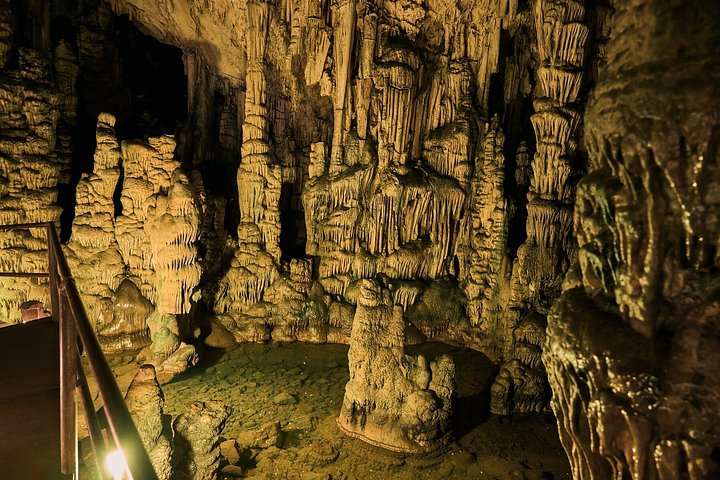
Lasithi is a wide, flat plain high in the Dikti mountains, an upland basin of apple and potato fields, stone villages and, historically, thousands of white-sailed windmills that pumped water for the crops. It is one of the most distinctive landscapes in Crete, and a day here feels like a different island from the beach resorts on the coast. The highlight for many visitors is the Dikteon Cave above the village of Psychro, which Cretan tradition names as the birthplace of Zeus, a huge, damp cavern with stalactites that you reach after a climb on a stone path. The tour we link to also visits Kera Monastery, a quiet monastery in a hill setting, and several villages where you can stop for coffee and local products. In November the weather in the uplands can be cooler, wetter and cloudier than on the coast, and the cave floor is slippery, so dress for mountain conditions even if Heraklion feels mild. The plateau itself stays open and is at its quietest in winter.
How it works
The guided day tour is a coach trip from the Heraklion area that crosses the Dikti mountains to the plateau, and it visits the cave, the monastery and one or more villages. Entrance fees to the cave and monastery are not always included in the price, so check what your tour covers. The tour we link to has a modest number of reviews and a mixed rating, so read the inclusions and the recent comments before you book.
What to expect
The road climbs through olive groves and mountain bends before reaching the plain, and the views from the viewpoints on the way up are wide. The walk to the cave is uphill on a rough path and followed by steps down inside, which can be wet and uneven, so shoes with good grip are essential. Inside, the cave is lit but cold. Photographs are possible, and guides usually tell the myth of the birth of Zeus on the spot.
Making the most of it
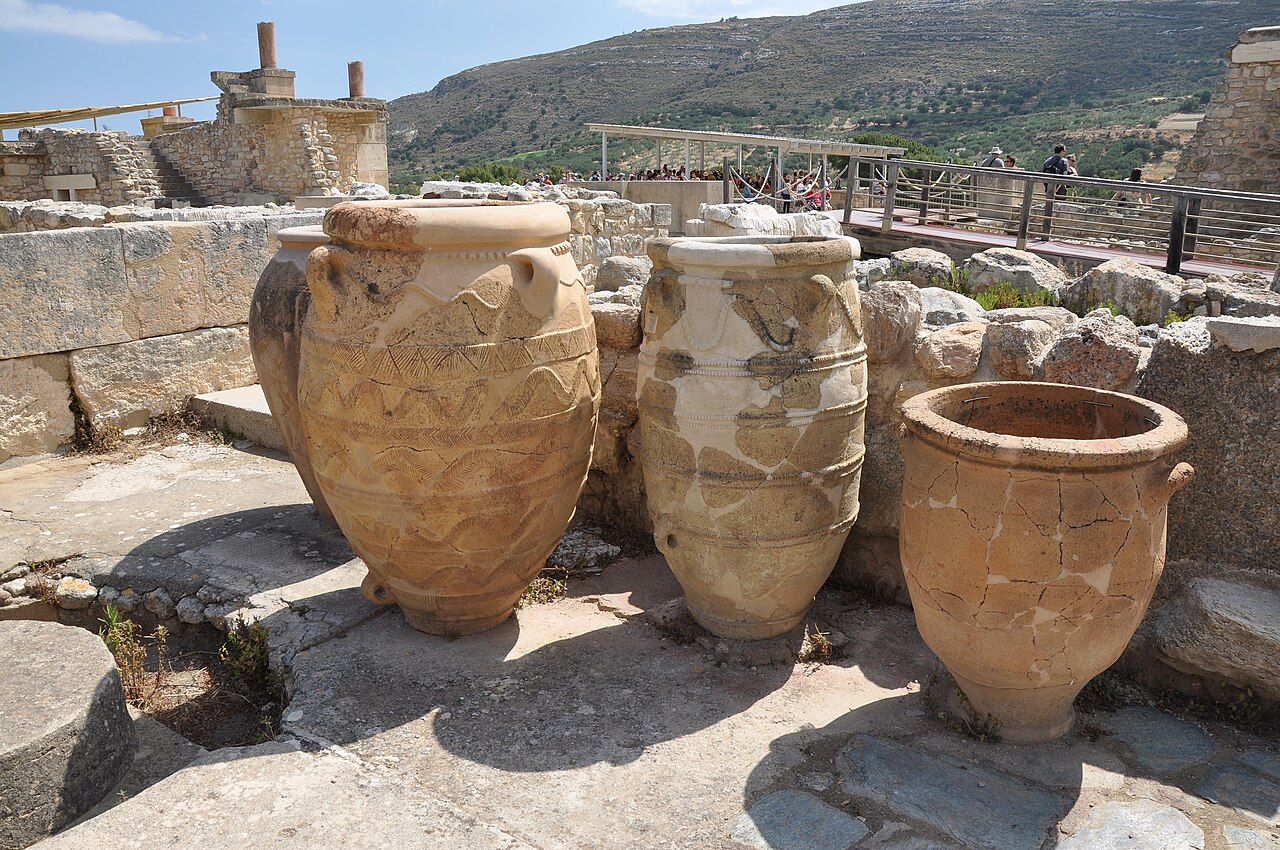
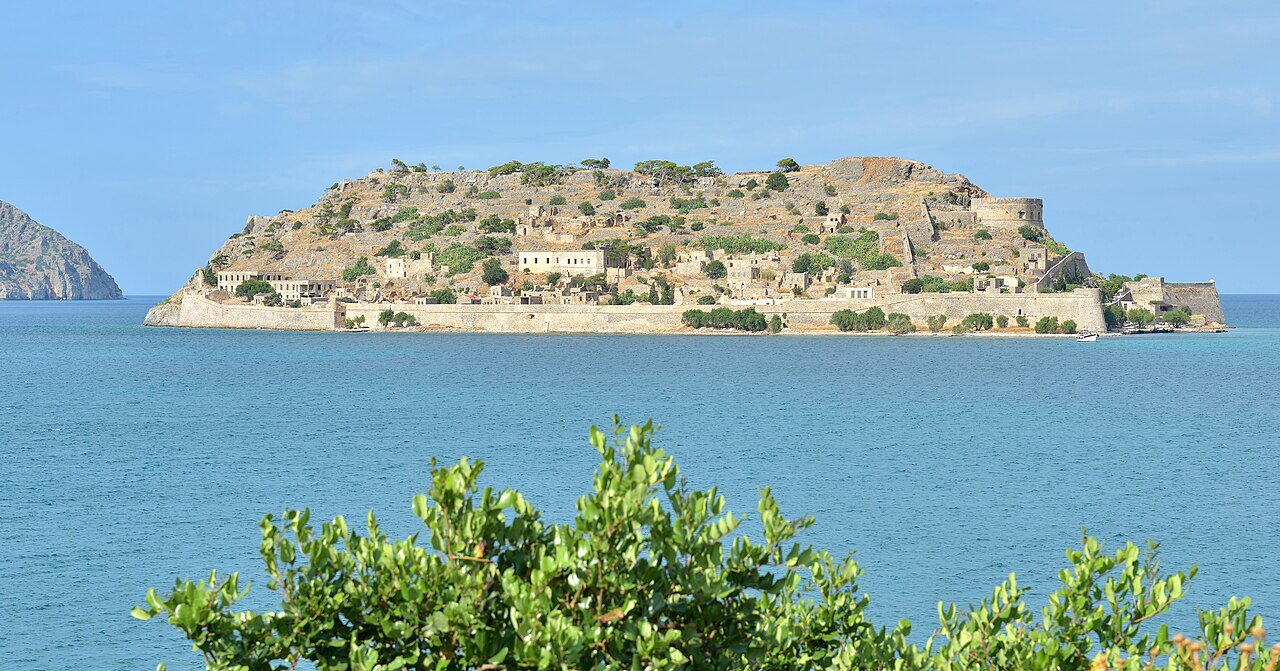
Bring a warm layer, since the cave and plateau are cooler than the coast, and wear closed shoes. Spring brings blossom on the plateau, while autumn gives clear light and few crowds. Pair it with a visit to Knossos on a separate day for the full mythological picture, or choose the Spinalonga trip if you are staying on the east coast. Those with limited mobility should skip the cave but can still enjoy the plateau.
What to expect
The experience
A guided full-day coach tour from Heraklion to the Lasithi Plateau, the Cave of Zeus and Kera Monastery.
Best time
Spring and autumn for the clearest light; in winter dress warmly for the mountains.
How long
A full day, with several stops and a climb to the cave.
Tips
Wear shoes with grip for the wet cave path, bring a warm layer and check which entrance fees are included.
Quick picks
- Best for
- Travellers who want mountain scenery and a Greek myth away from the coast.
- Families
- Children enjoy the cave, but the climb and the damp steps need care.
- Couples
- A slow day through villages and orchards with views across the plain.
- Pair with
- Knossos on another day, and a Cretan cooking class in Heraklion.
- Time needed
- A full day.
Good questions
What is the Cave of Zeus?+
The Dikteon Cave above the village of Psychro is named in Cretan tradition as the birthplace of Zeus. It is a large cavern with stalactites reached by a climb and a descent on stone steps.
Is the Lasithi Plateau worth a day trip?+
Yes, if you want a change from beaches and ruins. The plain, the villages and the mountain views are some of the most distinctive scenery in Crete.
Can I do it in November?+
Yes, the plateau and cave stay open, but it is cooler and wetter in the mountains, so wear warm clothes and shoes with grip.
Are entrance fees included?+
Not always. The cave and the monastery may charge separately, so check the inclusions of the tour you choose.
Why are there windmills?+
The plateau historically used thousands of small windmills to pump water for its fields. Many have been replaced by modern pumps, but some still stand.