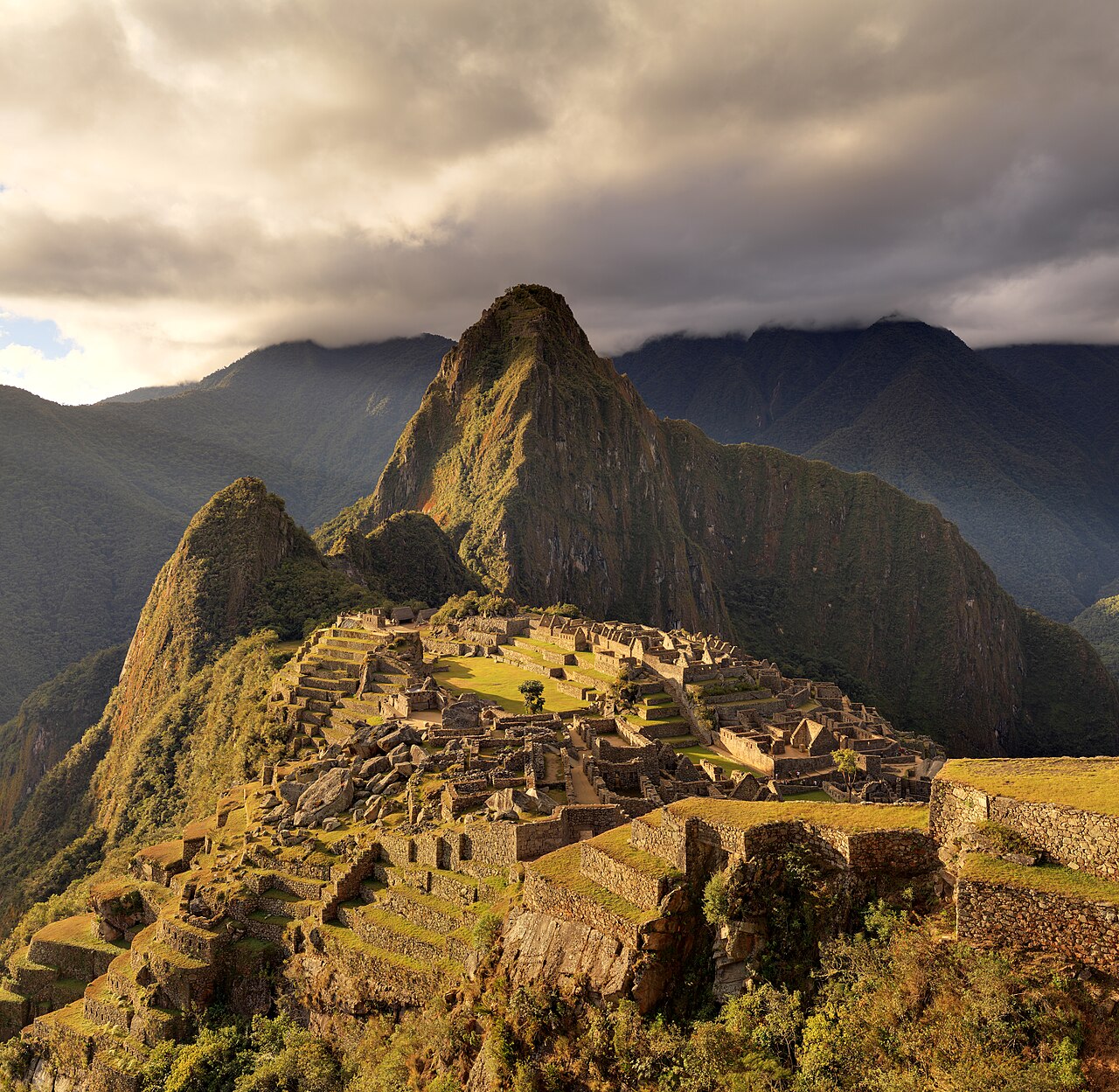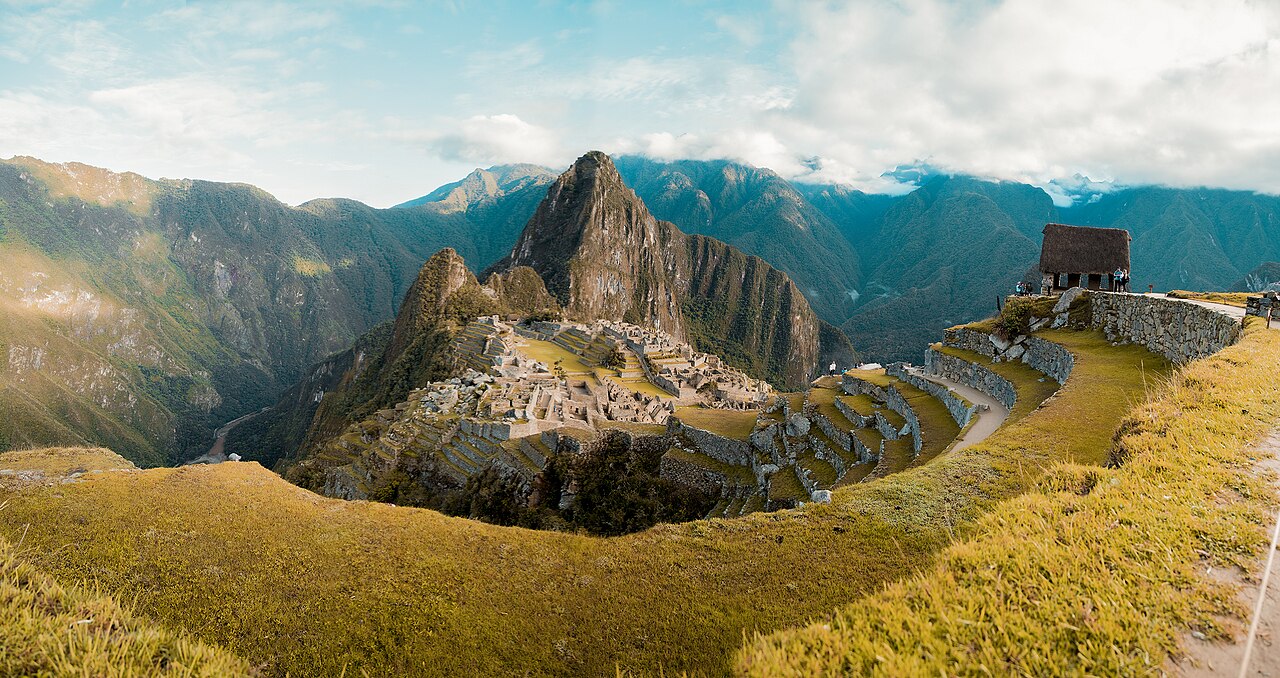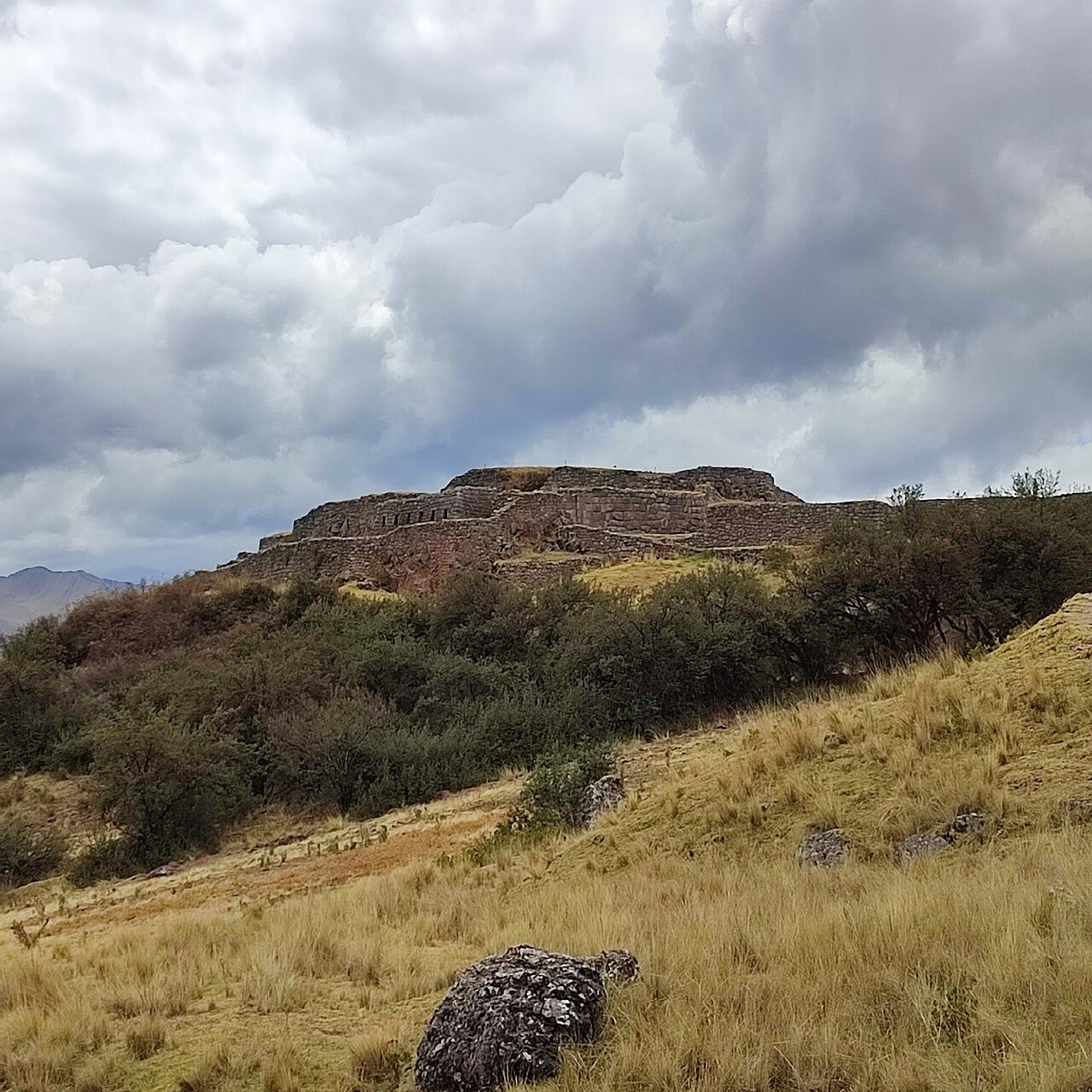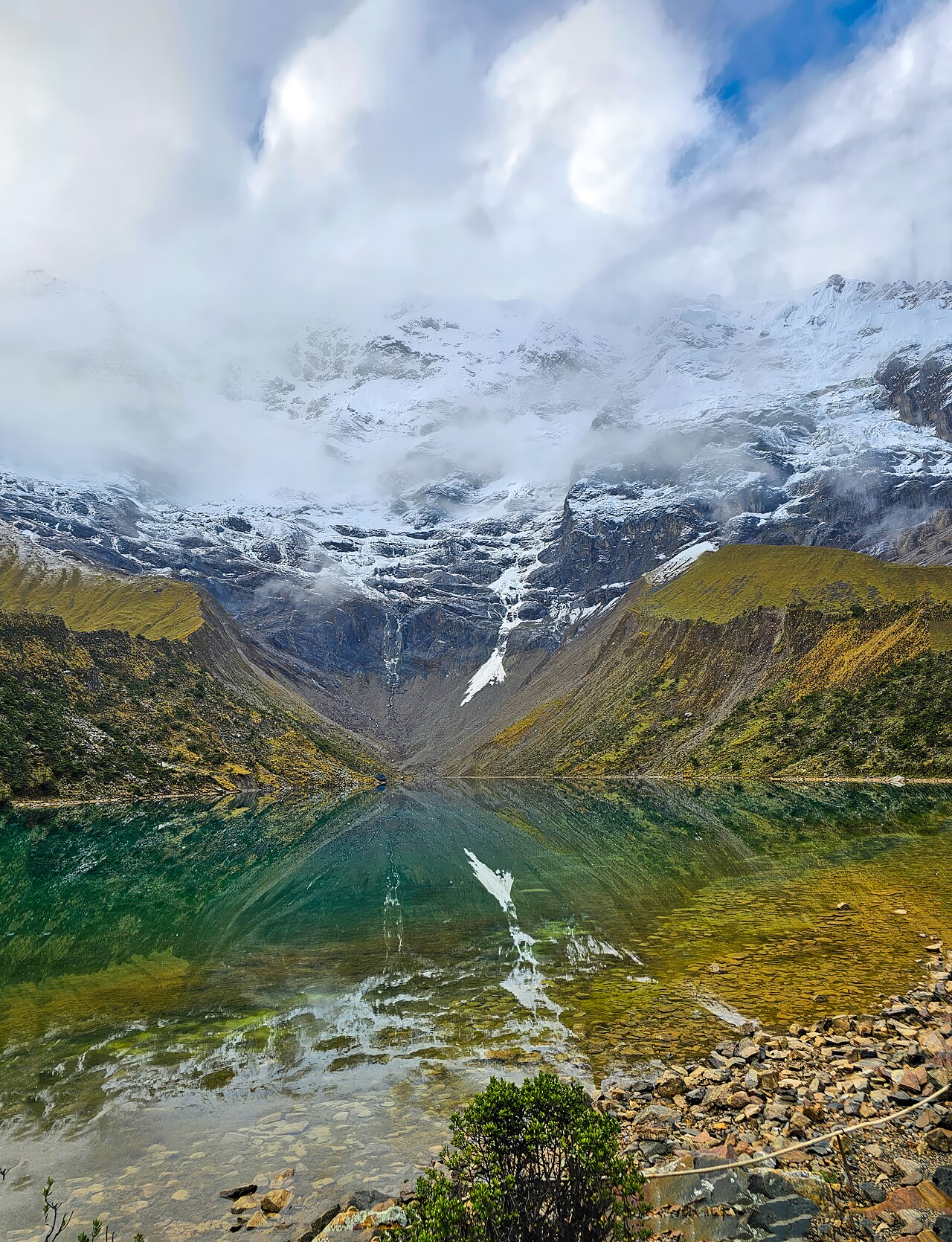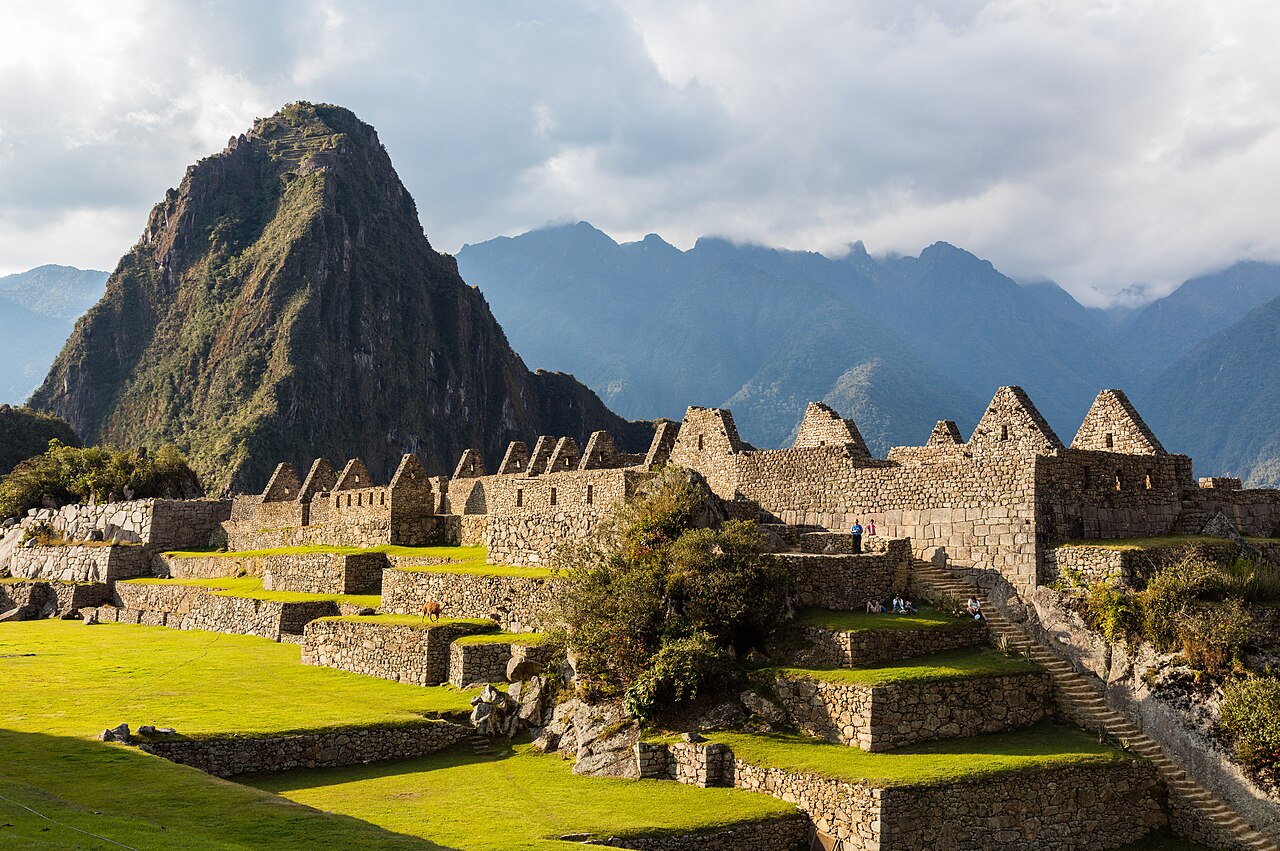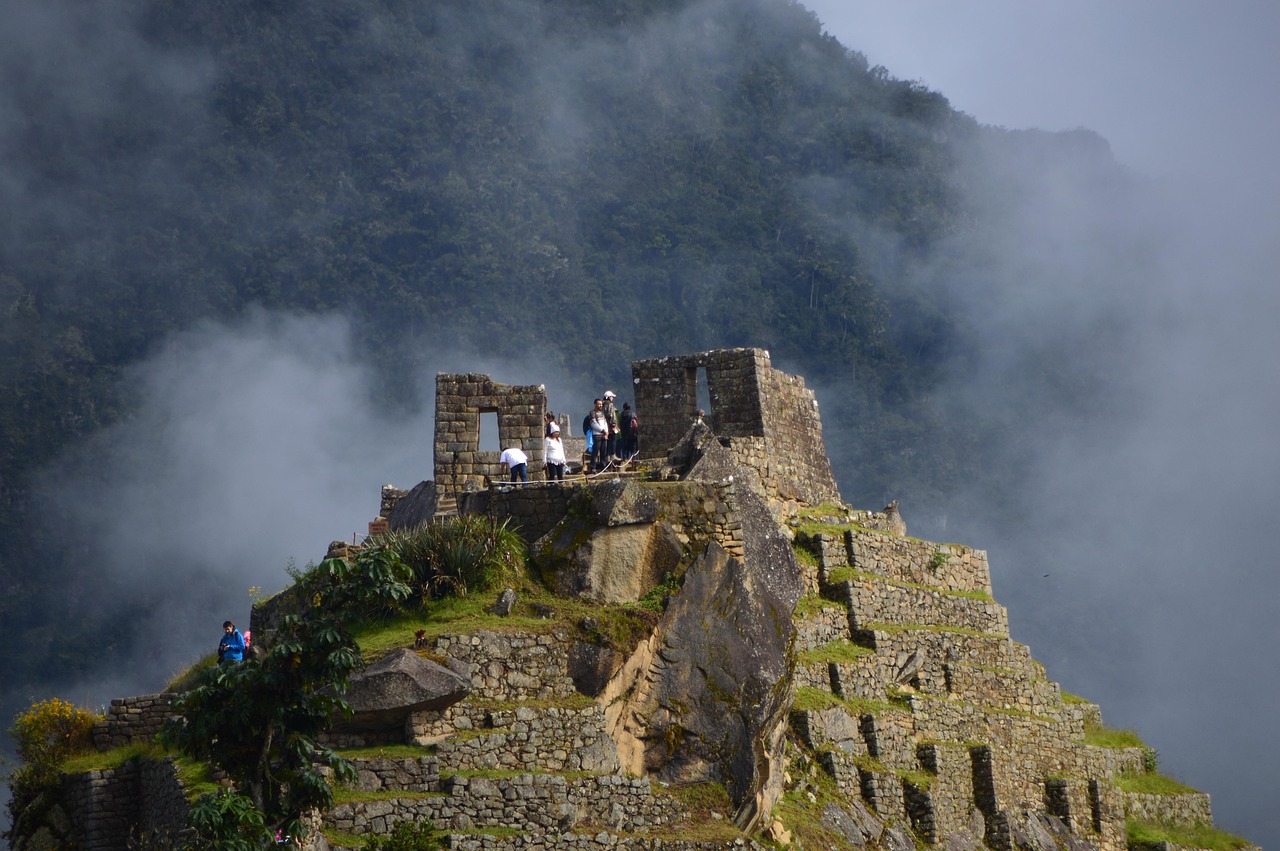
Choquequirao is often called the sister city of Machu Picchu, and for travelers willing to walk it is one of the great experiences in Peru. The site spreads along a ridge high above the Apurimac River, with plazas, temples, water channels, ceremonial platforms and long flights of agricultural terraces dropping down the mountainside. Its most famous feature is a set of terraces decorated with figures of llamas in white stone set into the darker walls, a rare example of figurative design in Inca architecture. Archaeologists link the complex to the later Inca period, and it is thought to have been a royal estate and religious center that later sheltered the Inca resistance based in Vilcabamba. Only part of the site has been cleared and restored, and much remains under forest. What makes Choquequirao special is access: there is no road and no train, and visitors arrive on foot or by mule. The usual route starts from the village of Cachora, in the Apurimac region, a drive of several hours from Cusco, and descends via the Capuliyoc viewpoint deep into the Apurimac canyon, crosses the river and climbs back up the far side to the ruins. The return is the same way, so a typical trip runs four days round trip, with longer treks linking onward to Machu Picchu. The result is a site that receives only a few thousand visitors a year, compared with the thousands per day at Machu Picchu. A long-discussed cable car project would change that, but as of late 2026 it remained a plan, not a reality. Fit: experienced trekkers, archaeology lovers and anyone who wants to stand in a great Inca city with almost no one else around.
The trek: the descent from Capuliyoc into the canyon is long and hot, dropping well over a thousand meters on a dusty switchback trail, and the climb up the other side to the campsites below the ruins is the hardest part of the trip. Most groups camp at Marampata or near the site, explore the ruins for a full day, then walk back out. Mules carry gear and can also carry tired hikers on some sections. The canyon floor is warm and buggy, while the ridges are cool, so pack for both. Give yourself a whole day at the site: the main plaza and temples, the terraces of the llamas on the far side of the ridge (a steep descent and climb in their own right) and the viewpoints across the canyon to the snow peaks.
Status and seasons: the archaeological park is managed by the Ministry of Culture through its Cusco office. Heavy rains regularly cause landslides on the access trail; in 2026 the site closed in early February and reopened in late April after maintenance on the Cachora route, with an ambulance stationed for visitor safety. Plan for the dry season, roughly May to October, and check with your operator for current access, especially at the start and end of the rains. An alternative approach from the Santa Teresa side has been discussed but needs technical evaluation before it opens.
Practical notes: book through an experienced agency that supplies guide, cook, camping gear and mules. Carry cash for the site entry, water purification and plenty of sun protection and insect repellent. Fitness matters more here than on almost any other route in the region, since the elevation changes are huge even though the maximum altitude is lower than Salkantay.
What to expect
The experience
A guided camping trek with mules from Cachora down into the Apurimac canyon and up to the Inca city of Choquequirao, returning the same way.
Best time
The dry season, roughly May to October. The site has closed in recent rainy seasons after landslides on the trail.
How long
Four days round trip is standard, with a full day at the ruins; longer routes continue toward Machu Picchu.
Tips
Train for steep descents and climbs, start the canyon climb early to avoid the heat, and check current trail status before booking.
Quick picks
- Best for
- Experienced trekkers who want a major Inca site almost to themselves.
- Families
- Only for very fit teenagers with trekking experience; mules can help on some sections.
- Couples
- An adventurous trip with long, quiet days and starry campsites.
- Pair with
- Machu Picchu afterward, to compare the two sister cities.
- Time needed
- Four days on the trail plus travel to and from Cachora.
Good questions
Is Choquequirao open?+
Yes. It closed from early February 2026 after landslides on the access trail and reopened in late April 2026 after maintenance. Rain-related closures are possible again in the wet season.
How do you get to Choquequirao?+
On foot or by mule. The usual route starts in Cachora, several hours by road from Cusco, and crosses the Apurimac canyon to reach the site.
Is there a cable car?+
Not yet. A cable car has been planned for years, but as of late 2026 it had not been built.
What are the llama terraces?+
A group of terraces decorated with llama figures made of white stone set into the walls, one of the most unusual features of any Inca site.
How hard is the trek?+
Very demanding because of the huge descent and climb across the canyon, often in heat. It suits fit hikers with multi-day experience.