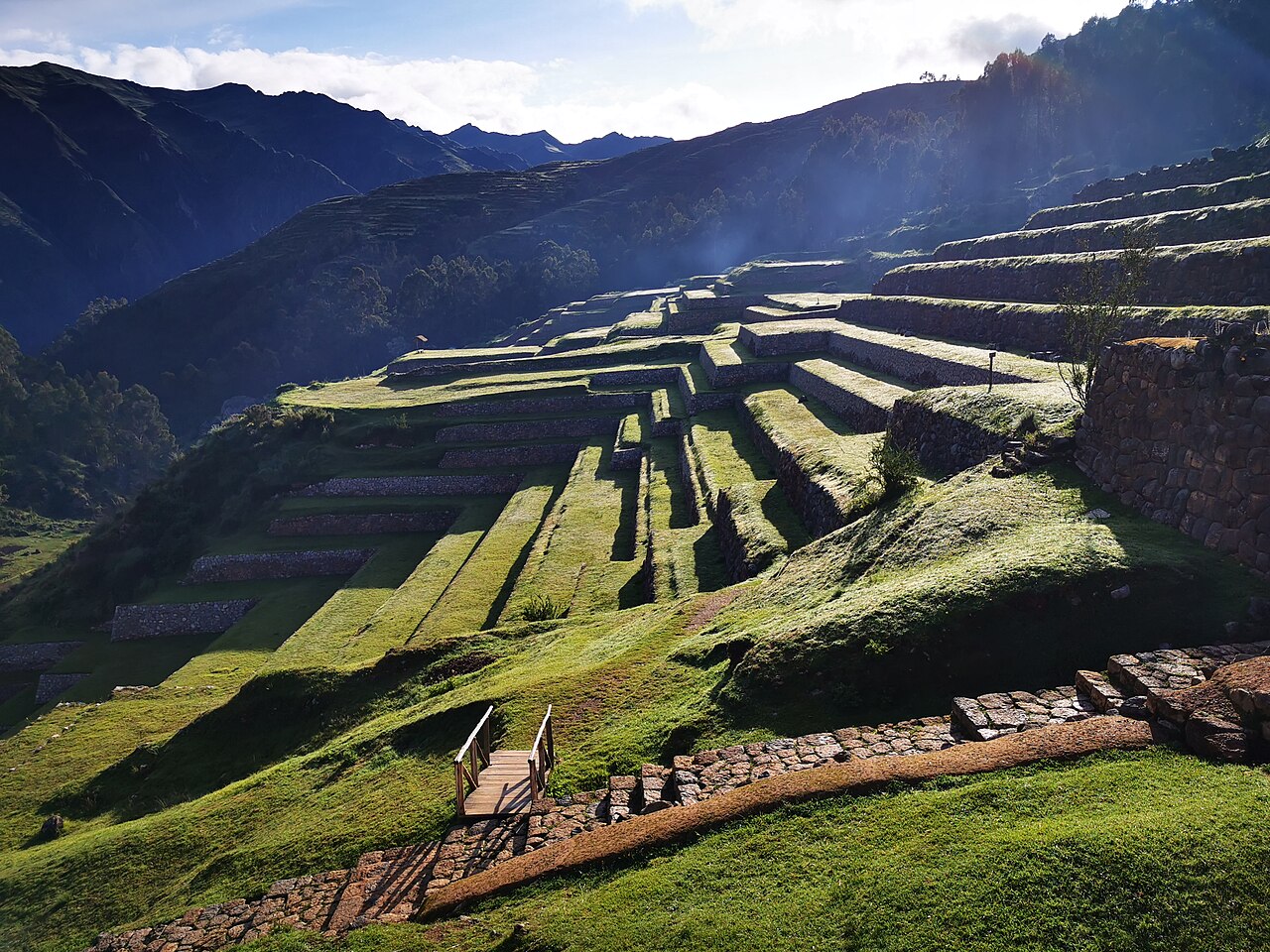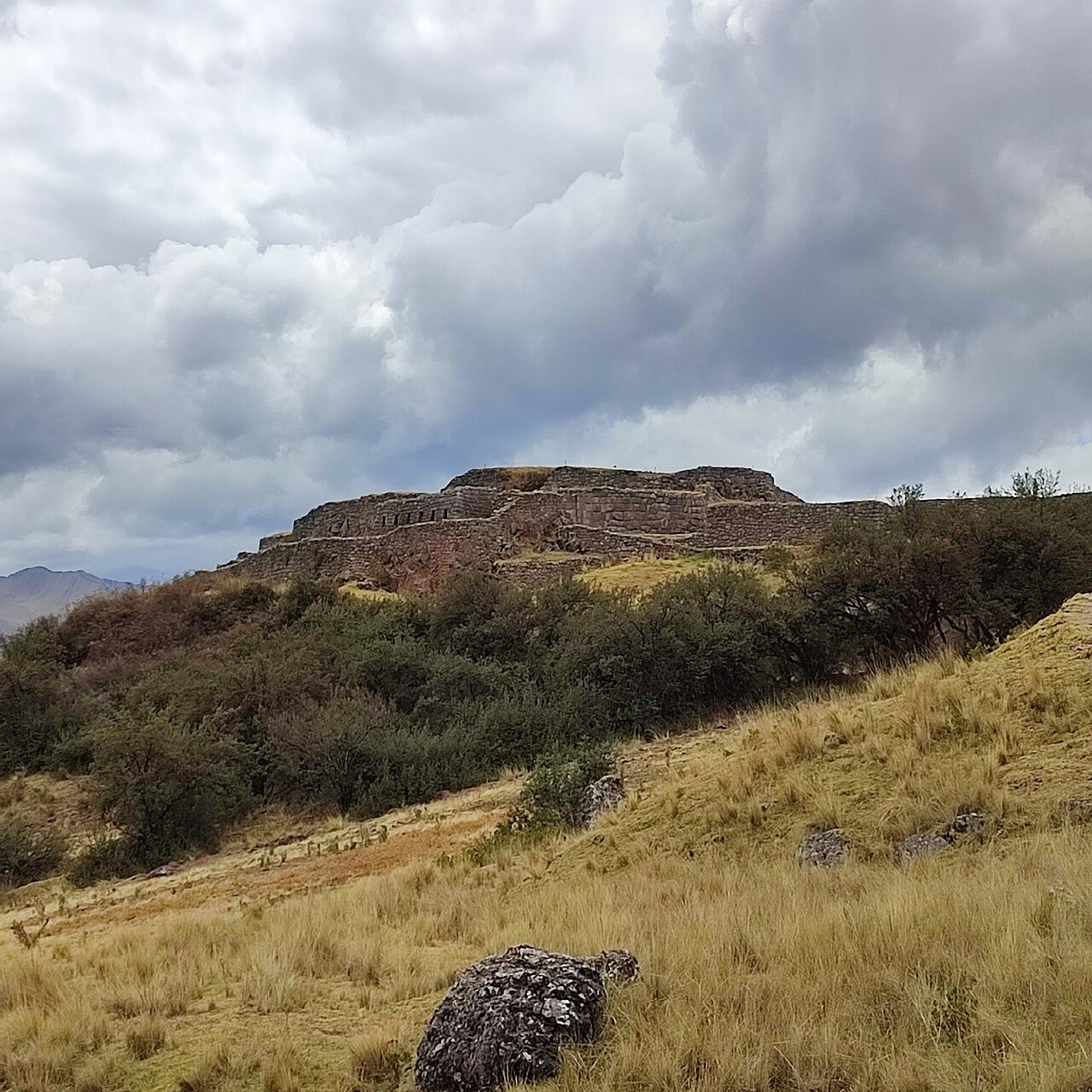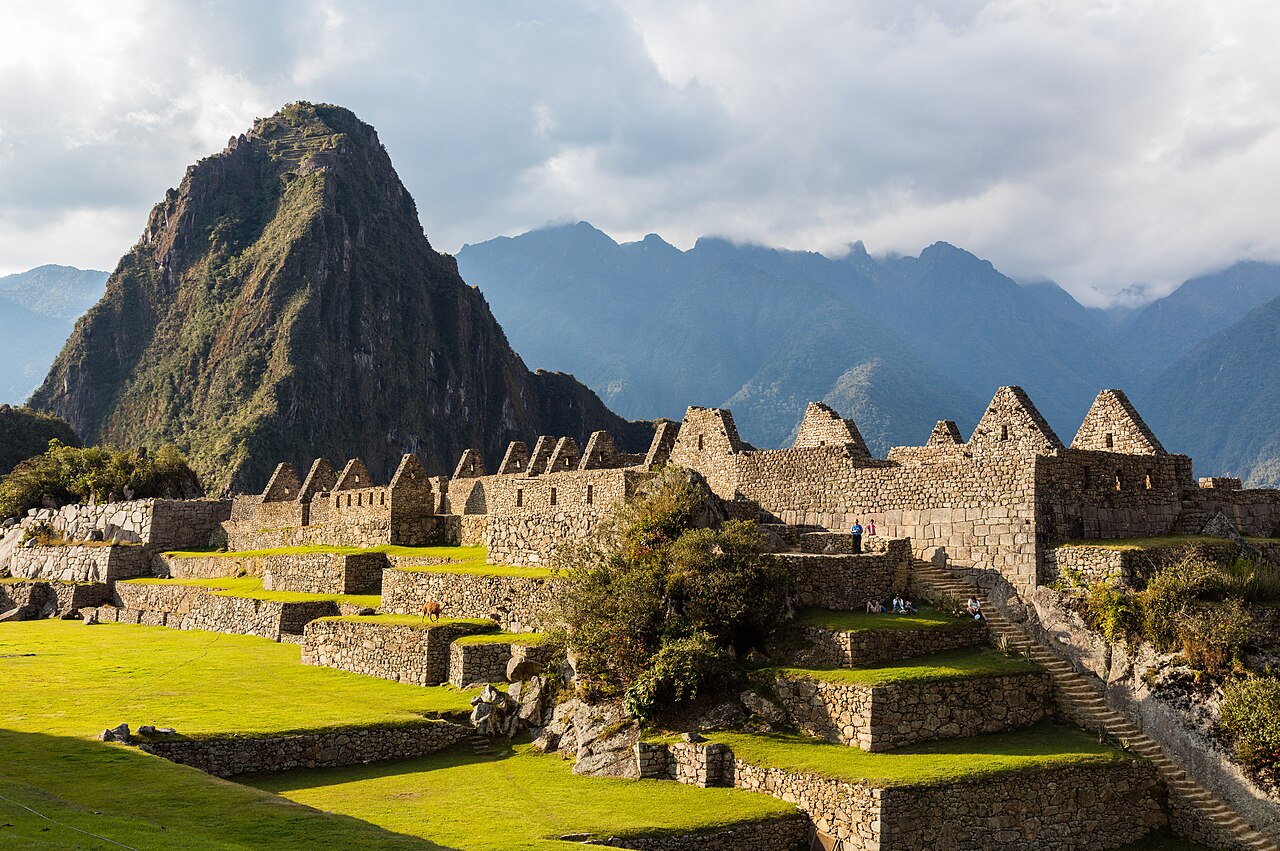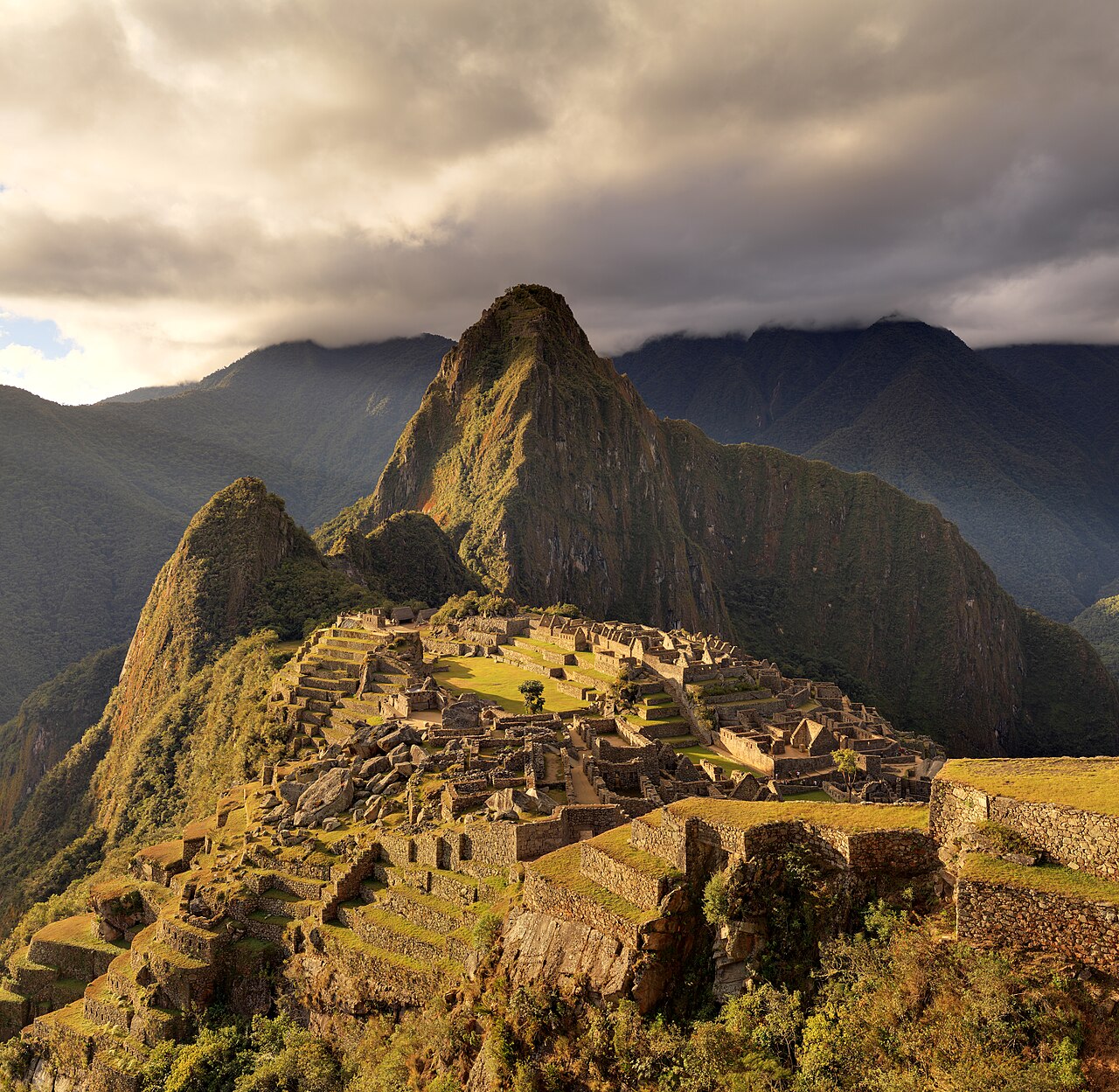
Pisac is the gateway to the Sacred Valley and one of the essential stops on any Cusco trip, with two very different halves that fit perfectly into one day. Above the town, spread along a mountain spur, is one of the most important Inca complexes in the region: tiers of agricultural terraces curving around the slopes, clusters of buildings, plazas, towers and temples, and a ceremonial sector whose fine fitted stonework is some of the best outside Cusco and Machu Picchu. The site includes the Intihuatana sector with its temple buildings, a residential and military area along the ridge, water channels and baths, and, across a ravine, a cliff face pocked with holes that mark looted Inca tombs, thought to be one of the largest Inca cemeteries known. The terraces once grew maize, quinoa, potatoes and kiwicha, and from above, the layout of the town has been compared to a partridge, which is said to be the meaning of Pisac in Quechua. Below the ruins, the colonial town centers on a plaza filled with the stalls of the Pisac market, where hundreds of tents sell textiles, alpaca knitwear, chullo hats, silver jewelry, ceramics, flutes and souvenirs, alongside a produce section where local families still do their weekly shopping: valley fruit and vegetables, cheese and sweet potato empanadas baked in clay ovens, chicha and frutillada. Pisac lies about 45 minutes by road from Cusco, and the archaeological park is covered by the Boleto Turistico, either the full ticket or the Sacred Valley partial circuit. Fit: first-time visitors, history lovers, shoppers and families, and anyone starting a Sacred Valley stay.
How to see the ruins: the smartest route is to take a taxi up the long road to the upper entrance, walk through the main sectors along the ridge, and then descend on foot through the terraces and down a long stone staircase into town, which takes one and a half to two hours with stops. Walking up from town instead is a steep climb of an hour or more at altitude. Arrive early, before the tour buses from Cusco reach the site in the late morning, or come in the afternoon. Bring water and sun protection, as there is little shade, and take care on the uneven stone steps, particularly in the rainy season from November.
The market: the stalls operate every day, but the market is at its liveliest on its main days, traditionally Tuesday, Thursday and Sunday, when more vendors and villagers come in from the surrounding communities. Bargaining is normal and friendly; compare a few stalls before buying, and look closely at labels and texture if you want genuine alpaca rather than synthetic blends. The bakeries with clay ovens near the plaza are an easy snack, and Pisac has a good choice of cafes and vegetarian-friendly restaurants that reflect its popularity with yoga and wellness visitors.
Practical notes: shared minivans and buses leave Cusco for Pisac regularly from the Puputi street area and are cheap, while a taxi costs more but saves time. The Boleto Turistico is usually checked at the ruins entrance, so carry it; the national tourist ticket introduced by law in 2026 was still being regulated in late 2026, so confirm current terms before you travel. Pisac is lower and warmer than Cusco, which makes it a pleasant place to spend the first nights of a trip.
What to expect
The experience
A large Inca terraced complex on the mountainside, visited on the Boleto Turistico, followed by the artisan and produce market in the town plaza below.
Best time
Early morning at the ruins before the tour groups, then the market late morning; the main market days are traditionally Tuesday, Thursday and Sunday.
How long
Two hours for the ruins and an hour or two in the market.
Tips
Take a taxi to the upper entrance and walk down through the terraces into town. Carry your tourist ticket and small notes in soles for the market.
Quick picks
- Best for
- The classic first stop in the Sacred Valley, combining Inca history and shopping.
- Families
- Terraces to explore, an easy downhill route and market snacks from clay ovens.
- Couples
- Quiet terraces early in the day, then a slow lunch in town.
- Pair with
- Ollantaytambo and Moray and Maras further down the valley.
- Time needed
- Half a day, or a night in Pisac to enjoy it at an easy pace.
Good questions
Is Pisac included in the Boleto Turistico?+
Yes, the archaeological park is covered by the full tourist ticket and the Sacred Valley partial circuit. A new national tourist ticket law was being regulated in 2026, so check current terms.
Which days is the Pisac market?+
Stalls open every day, but the market is busiest on its traditional main days, Tuesday, Thursday and Sunday.
Should I walk up to the ruins?+
Most visitors take a taxi to the upper entrance and walk down through the terraces to town. Walking up is a steep climb of an hour or more.
How far is Pisac from Cusco?+
About 45 minutes by road. Shared minivans leave regularly from the Puputi street area in Cusco, and taxis are also available.
What are the holes in the cliff?+
Looted Inca tombs. The cliff across the ravine from the ruins is thought to hold one of the largest Inca cemeteries known.