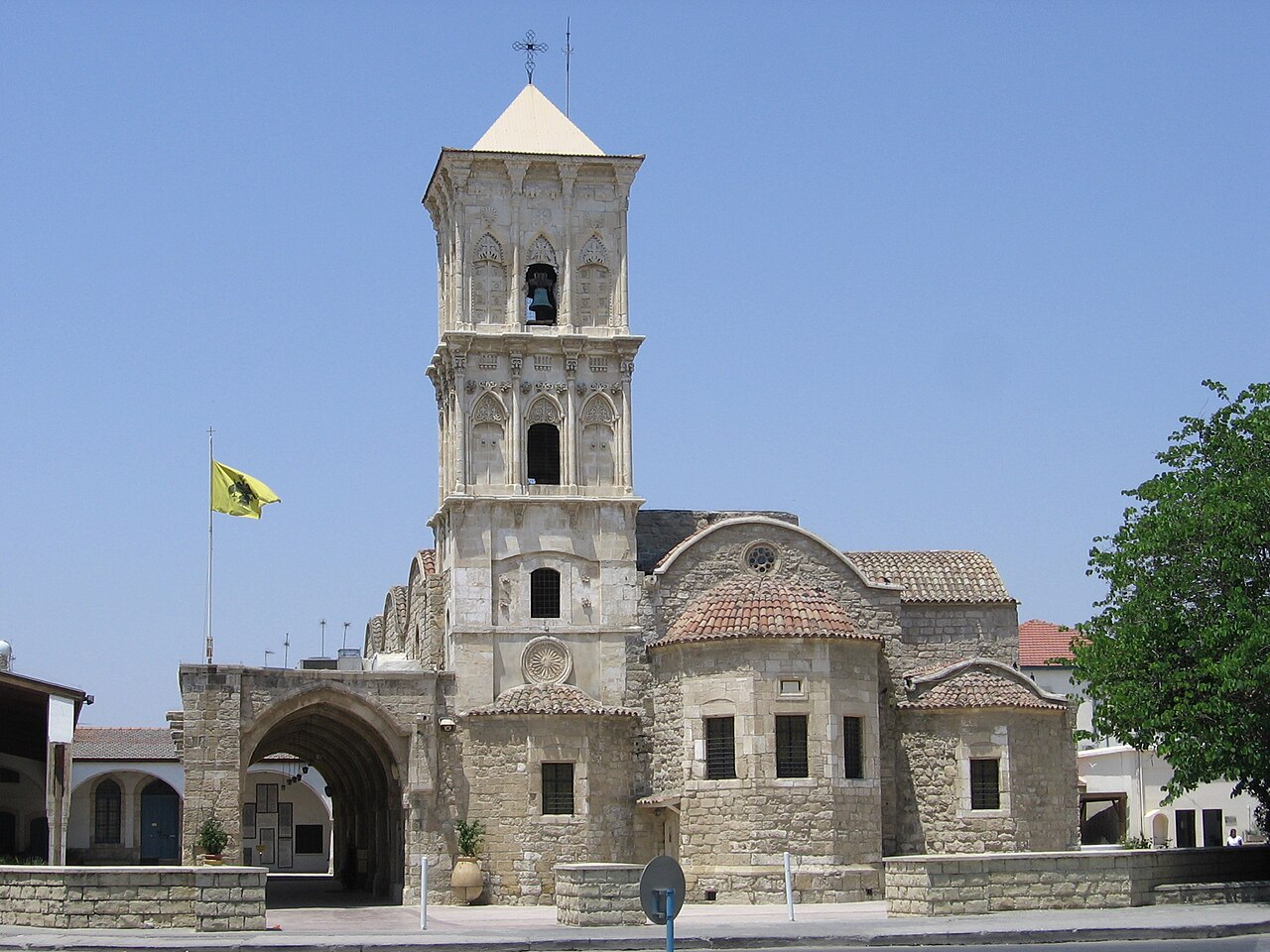
The Church of Saint Lazarus is the centrepiece of Larnaca’s old town, a stone basilica close to the port with a story that has drawn pilgrims for more than a thousand years. By Cypriot tradition, Lazarus, raised from the dead in the Gospel, fled to Cyprus, was ordained bishop of Kition, the ancient town beneath Larnaca, and lived there for about thirty more years. The tourism organisation’s account notes that a marble sarcophagus inscribed with his name was recorded in the area, that the emperor Leo VI moved the relics to Constantinople around the year 900, and that a wooden box with part of the relics was found in a marble sarcophagus in a crypt beneath the sanctuary in 1972. The present church is a three-aisled, barrel-vaulted basilica believed to date from about the tenth century, built over earlier churches whose remains were found in excavations after a fire in 1970. It has changed hands over the centuries, with Latin, Venetian and Ottoman periods leaving their marks, and both Orthodox and Catholic services were held here under Venetian rule. Inside, the highlight is the iconostasis, carved by the woodcarver Hadjisavvas Taliadorou in the late 1700s and gilded in the 1790s and again in the 1970s, with scenes including the raising of Lazarus. Next to the church, the Ecclesiastical Museum occupies a restored building from 1856 and has five halls of icons, gospels, vestments and church objects, some from other churches in Larnaca. The whole visit is easy to fit in an hour and is one of the few Larnaca sights that is as much about faith as about architecture.
How it works
The church stands in the old town near the port and the palm-lined seafront, so it is walkable from most central hotels. The tourism organisation page does not give opening hours or an entry fee, so check locally on the day, and expect that the museum may be separate. It is a working church, so services can limit access at times.
What to expect
The interior is dark and cool, with the great gilded iconostasis dominating the nave. Visitors are usually shown the crypt where the tomb of Lazarus is said to lie. The museum next door has a quieter, more traditional feel, with rows of icons and liturgical objects. Dress modestly, with shoulders and knees covered, and keep voices low, as people are praying.
Making the most of it
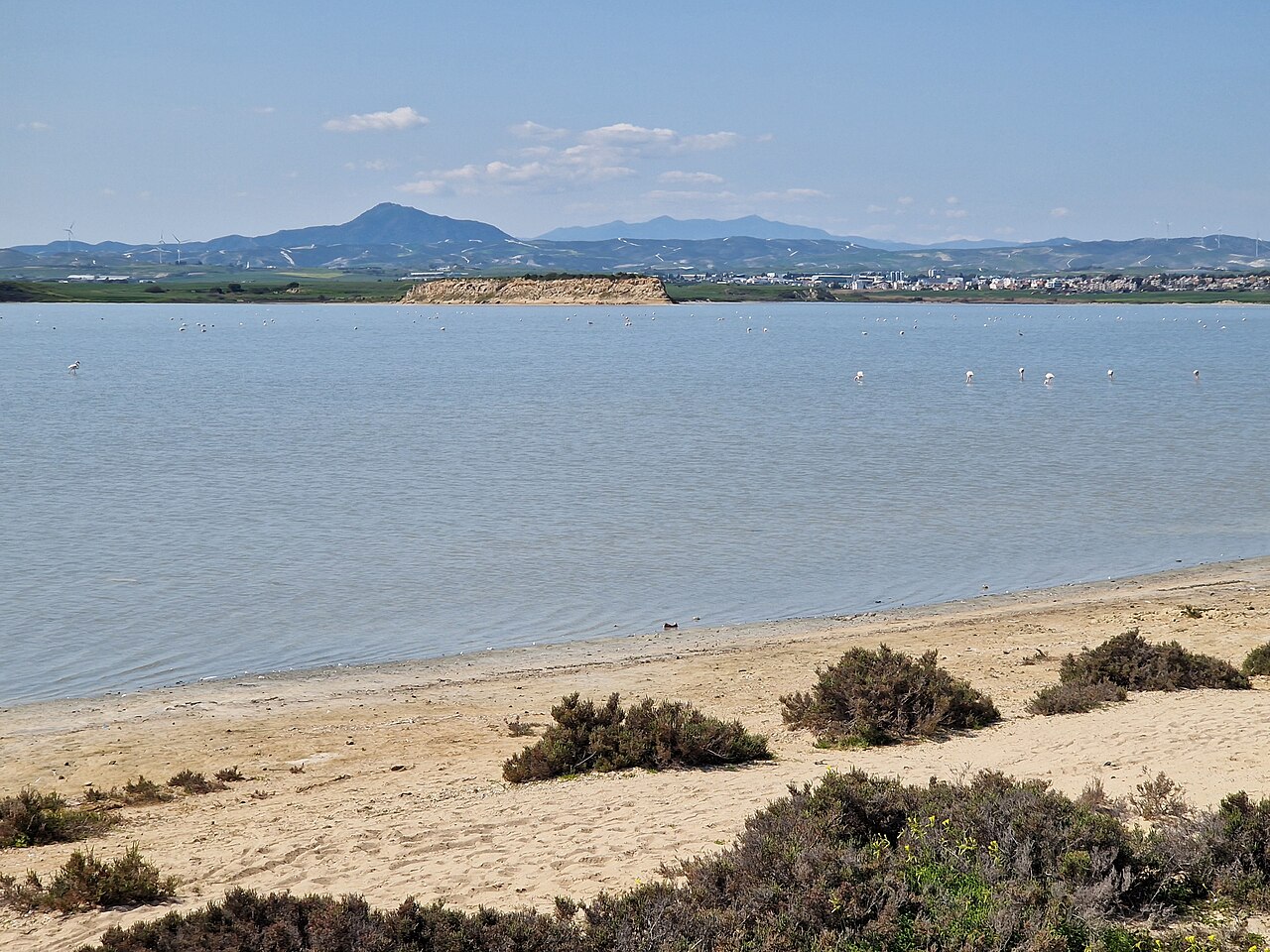
Come in the morning when it is quiet and the light in the square is good, then take a walk on the seafront promenade and a coffee under the palms. If you are visiting the salt lake and Hala Sultan Tekke, this is the natural companion stop. The old Larnaca Fort and the small Pierides museum are also close, if you want more history.
What to expect
The experience
A self-guided visit to a working Orthodox church, with the carved iconostasis, the crypt and an ecclesiastical museum beside it.
Best time
Mornings, when the church is quiet and the old town is cool.
How long
About an hour including the museum.
Tips
Dress modestly, keep voices low and check opening arrangements locally, as services can limit access.
Quick picks
- Best for
- Anyone interested in religious history or old-town Larnaca.
- Families
- A short visit that suits older children; keep younger ones quiet inside.
- Couples
- A calm, atmospheric stop before a seafront coffee.
- Pair with
- The Larnaca Salt Lake and the seafront promenade.
- Time needed
- About an hour.
Good questions
Why is this church important?+
By Cypriot tradition, Lazarus came to Cyprus, became bishop of Kition and was buried here. The church stands over the area of his tomb.
Is there an entry fee?+
The tourism organisation page does not give a fee or opening hours, so check locally on the day, as the museum may be separate.
What is the iconostasis?+
It is the carved, gilded screen of icons in front of the altar, made in the late 1700s and regilded in the 1790s and 1970s.
What should I wear?+
Modest clothing with shoulders and knees covered, since it is a working church.
How long do I need?+
About an hour, including the ecclesiastical museum in the church enclosure.