Dar es Salaam is a food city shaped by trade. Swahili coastal cooking, with its coconut, tamarind and spice, meets Indian cooking brought by merchants, Arab influences from centuries of Indian Ocean commerce and the grilled meats and starches of the interior. The result is a table that rewards curiosity, and the best meals are often the cheapest ones, eaten at a street stall or a small local restaurant.
Start with breakfast
A traditional Swahili breakfast includes mandazi, lightly spiced fried doughnuts, with sweet milky tea, or chapati with beans or a vegetable stew. Fresh fruit is excellent, with mango, pineapple, papaya, passion fruit and bananas in season, and a glass of fresh juice from a roadside stand is one of the pleasures of the tropics. Hotels serve international breakfasts, but if you can, try at least one local one.
Street food and grills
Mishkaki, marinated skewers of beef, goat or chicken grilled over charcoal, are the signature snack, and you find them in the evenings at Coco Beach and on street corners across the city. Chipsi mayai is a chip omelette that sounds odd and tastes wonderful, and roasted maize, fried cassava with chilli, samosas and peanuts are all easy to find. Nyama choma, grilled meat served by weight with salt, kachumbari salad and ugali, is the classic social meal, and a table of friends sharing a platter is a Tanzanian ritual.
Seafood
With a working port and a big fish market, Dar es Salaam does seafood well. Look for grilled kingfish, snapper, calamari, prawns and octopus, served simply or in a coconut sauce, and ask what came in that day. Samaki wa kupaka is fish grilled and coated in a rich coconut and spice sauce, and pweza, octopus, is often cooked tender in a coconut curry. The area around the Kivukoni fish market is a good place to eat fresh fish and watch the catch, and many Msasani restaurants serve high-quality seafood with a sea view.
Staples and Swahili dishes
Ugali, a stiff maize porridge, is the national staple and is eaten with stews, greens, beans or fish. Pilau, spiced rice with meat, and biryani appear at celebrations and in many restaurants, and ndizi nyama, plantains cooked with meat, is a comfort dish. Coconut rice, beans in coconut milk and cassava leaves are popular sides. Urojo, a tangy soup with potato, fried bites and chutneys, is a local favourite that visitors often love.
Indian and other influences
The Indian community has shaped the city's eating for generations, so you find excellent samosas, biryani, curries and sweets in the Upanga area and in restaurants across town. Italian, Lebanese and Chinese restaurants are also common, and the peninsula has a wide range of cafes and bistros for a change of pace.
Drinks
Tanzanian beers such as Kilimanjaro, Safari and Serengeti are widely available and cold, and local spirits and wines are on many menus. Fresh coconut water, sugarcane juice and spiced tea are good non-alcoholic choices. Tanzanian coffee, grown on the northern and southern highlands, is worth trying, and many cafes serve it well. Tap water is not recommended, so drink bottled or treated water and ask for drinks without ice if you are unsure.
Street food safety
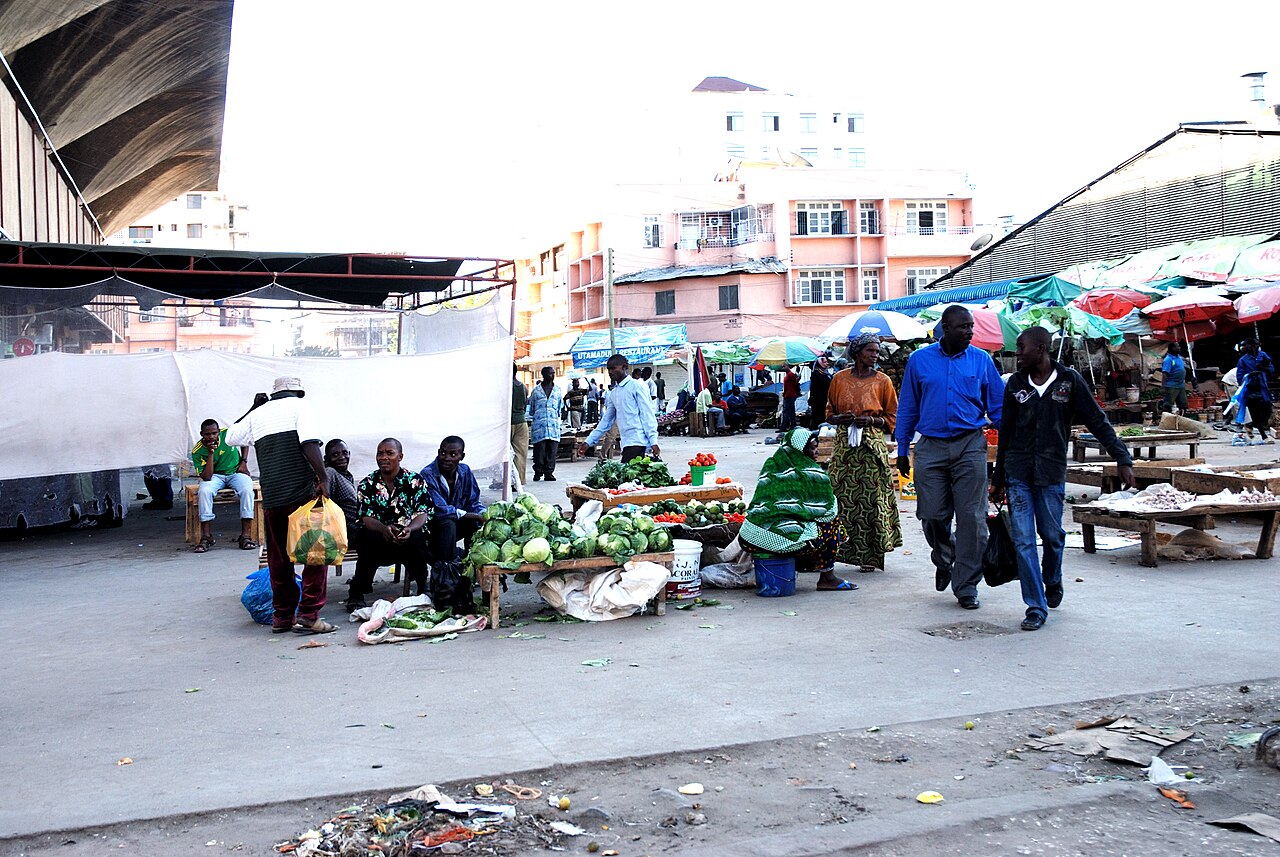
Choose busy stalls with a quick turnover and food cooked in front of you, avoid anything that has been sitting out, and carry hand sanitiser. If you are nervous, join a food tour for a guided introduction. Eat larger meals at restaurants during your first days, and introduce street food gradually.
Dining hours and money
Lunch is the main meal for many people, and dinner tends to start around seven or eight. Restaurants in hotels and on the peninsula usually accept cards, but street stalls and small restaurants take cash, so carry small notes. A service charge may be included, and a tip is appreciated. During Ramadan, some daytime eateries close or screen their dining areas, and evening meals after sunset become special occasions, so plan accordingly.
A simple eating plan
For a three-day visit, try a local breakfast on day one, a street food evening at Coco Beach on day two and a seafood dinner on the peninsula on day three. Add a food tour if you want a guide, and keep a few snacks and bottled water with you for long days of sightseeing.