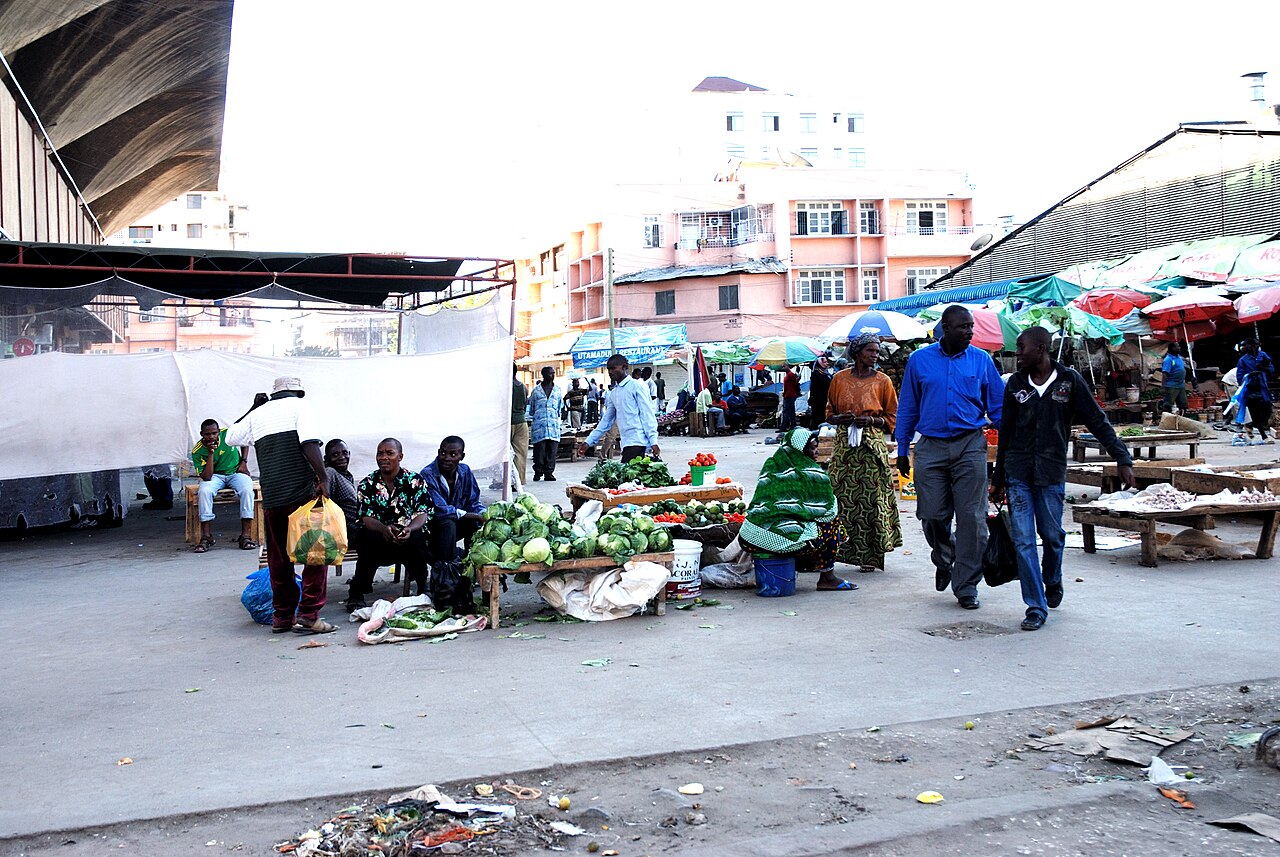
Kariakoo is the commercial engine of Dar es Salaam. This district west of the old centre is a dense grid of streets lined with shops, stalls and wholesalers, with a large central market at its core, and the whole area seems to sell everything: mountains of fruit and vegetables, spices, dried fish, kitchenware, kanga and kitenge fabric, mobile phones and building supplies. Shoppers come from across the city and from neighbouring countries, and the atmosphere is loud, fast and friendly. For visitors it is the most direct way to feel the pulse of the city. You smell cloves and fried dough, hear vendors calling prices, and watch carts, motorbikes and pedestrians negotiating the same narrow lanes. A guided visit makes it manageable, because someone local can steer you through, explain what you are seeing and help with bargaining.
The name is said to come from the Carrier Corps, the African porters and soldiers who were stationed in the area during the First World War, and the district has kept its working-class, trade-focused character ever since. Today the market building is the anchor, with fresh produce, fish, meat and spices in the main halls, and the surrounding streets specialise by trade, so you will find lanes of fabric shops, shoe sellers, kitchen suppliers and electronics.
A good visit follows a route. Begin at the produce stalls to see the tropical fruit and vegetables, then move to the spice sellers for cloves, cinnamon, cardamom and pepper, and finish in the fabric streets, where kanga cloths carry printed proverbs that locals read as messages. A guide can explain the proverbs and help you pick a design, and it is the ideal place to buy souvenirs at fair prices if you bargain politely.
Be realistic about the conditions. It is crowded, hot and noisy, the ground can be uneven or wet, and pickpocketing happens in busy places, as in any large city market. Keep your phone and wallet in a front pocket or a zipped bag, wear closed shoes, leave jewellery at the hotel and carry only the cash you expect to use. Ask before taking photographs of people or stalls, and respect a refusal.
Mornings are the best time, when produce is freshest and the heat is manageable. Weekdays are busiest and weekends can be quieter, but check which stalls are open. Combine it with a street food stop, because the area has excellent cheap snacks, from grilled maize and fried cassava to samosas and chapati with beans. With a guide, the market becomes the most memorable local-life experience in the city; on your own, it is best treated as a short, focused adventure.
A simple plan makes Kariakoo easier. Meet your guide in the morning, agree a budget for purchases and a meeting point in case you are separated, and decide in advance what you hope to find, whether spices, fabric or fruit. Smell and taste are as important as sight here, so try a slice of fresh pineapple or a roasted cashew from a vendor your guide trusts.
If you buy fabric, ask for a kanga pair with a proverb you like and have the guide translate it. Finish at a cafe or a cool shop to rest, drink water and review your photographs, because the market is rewarding but tiring.
What to expect
The experience
A guided walk through a crowded central market and surrounding trade streets, usually with time for food and fabric shopping.
Best time
Morning, when produce is fresh and the heat is lower. Avoid going after dark unless you are with a local guide.
How long
One to two hours.
Tips
Carry only small bills, keep valuables hidden, wear closed shoes and ask before photographing people.
Quick picks
- Best for
- Travellers who love markets, food and local life, and photographers with a respectful approach.
- Families
- Often overwhelming for small children. Older children who like busy places can find it exciting with a guide.
- Couples
- A lively cultural outing, best done with a guide and followed by a relaxed lunch.
- Pair with
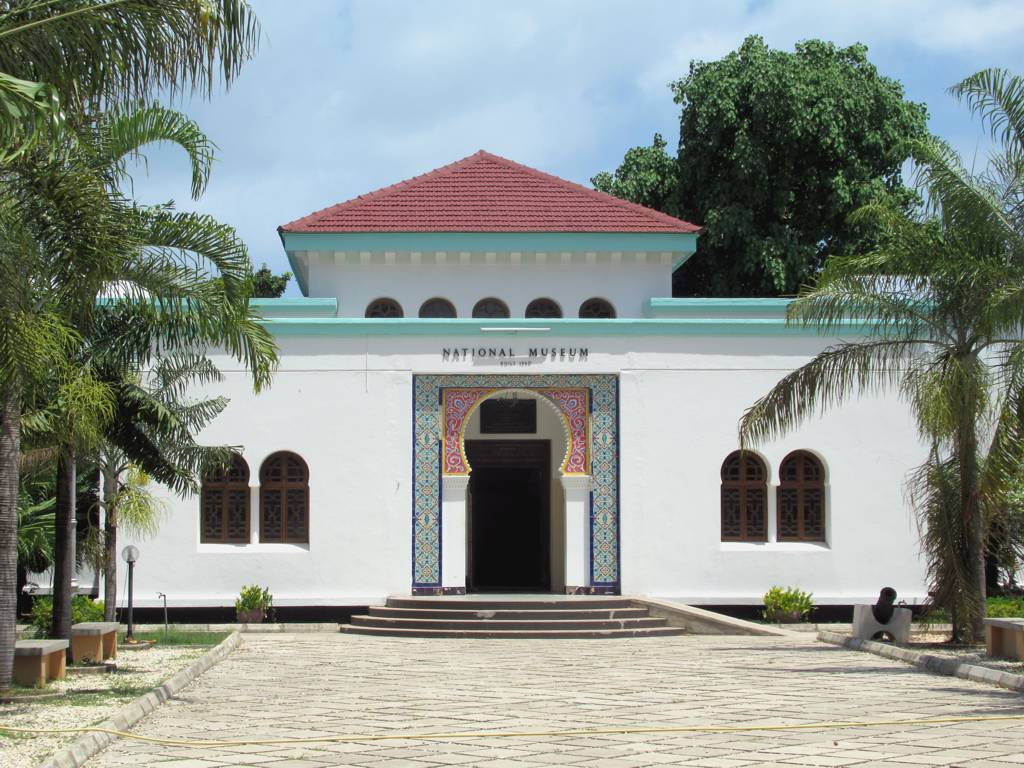
- The Kivukoni fish market, an old town food tour and a visit to the National Museum.
- Time needed
- Allow 1 to 2 hours.
Good questions
Is Kariakoo safe for visitors?+
It is busy, and petty theft happens, so go with a guide or a local companion, carry little, keep valuables hidden and stay alert.
What can I buy there?+
Fruit, spices, fabrics such as kanga and kitenge, kitchenware, clothes, electronics and everyday goods, usually at negotiable prices.
When is the best time to go?+
Mornings are best for freshness and comfort. Check which stalls are open on Sundays and public holidays.
Do I need a guide?+
It helps a great deal. A guide steers you through the crowds, explains what you see and supports fair bargaining.
Can I take photographs?+
Generally yes, but ask permission before photographing people and stalls, and accept a no politely.