The Days of '76 Museum grew out of the Days of '76 celebration, which began in 1924 to honor Deadwood's first pioneers: the prospectors, miners, muleskinners and madams who built the town. The museum holds Western and American Indian artifacts, archives, photos and artwork, and its collection includes horse-drawn wagons, stagecoaches, carriages, clothing and memorabilia from the celebration. It also houses Don Clowser's collection of Old West pioneer and American Indian artifacts, firearms and archives, and the museum describes its horse-drawn vehicle collection as the largest in the state. Where the Adams Museum gives the broad timeline, this museum is more about objects and atmosphere. You come for the stagecoaches and wagons, for the rodeo and parade heritage, and for the artifacts that show how people traveled, dressed and fought in the late nineteenth century. It is a particularly good stop for visitors who like vehicles and craftsmanship, and for families with kids who want to see something larger than a display case. Summer hours are daily with a longer day, while winter hours are shorter, so plan accordingly.
The best way to approach the museum is as the second half of a pair with the Adams Museum. Do the Adams Museum first for context, then come here for the hands-on feel of the period: the stagecoaches, the saddles and the rodeo memorabilia. Allow an hour to ninety minutes, more if you read labels closely or have a Western history enthusiast in the group. Admission is a modest adult price with a lower child rate and free entry for small children, though rates change.
The Days of '76 celebration itself is still a summer tradition in Deadwood, built around a parade and rodeo weekend, and the museum is the year-round home for the heritage behind it. If your trip overlaps with the event, expect heavy crowds and plan accommodation early. If it does not, the museum gives you a taste of the tradition without the congestion, and the collection tells the story of the parade wagons and the people who rode in them.
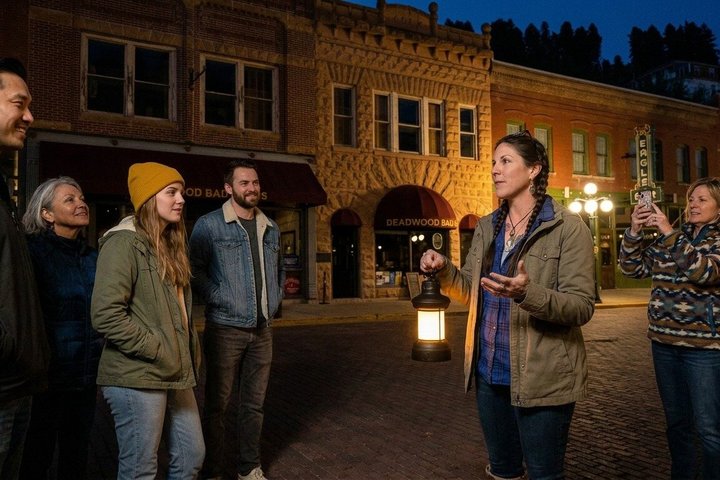
Accessibility and logistics are straightforward for a downtown museum. It is within easy walking distance of the other main sights, it is a reliable indoor stop in bad weather, and it works in any season. Combine it with the Historic District walk, the Trial of Jack McCall in the evening and a meal on Main Street, and you have a full and varied day without needing to drive anywhere.
What to expect
The experience
A downtown museum of wagons, stagecoaches, Western and American Indian artifacts, archives and celebration memorabilia.
Best time
Midday or a rainy afternoon; shoulder seasons for quieter rooms.
How long
Around an hour to ninety minutes.
Tips
Pair it with the Adams Museum, check seasonal hours and ask about discounts for children. Photography of the wagons is excellent.
Quick picks
- Best for
- Wagon and stagecoach fans, Western history readers and families who want something visual.
- Families
- A good rainy-day stop; younger kids usually enjoy the big vehicles.
- Couples
- A pleasant, low-key indoor hour.
- Pair with
- The Adams Museum and the Trial of Jack McCall.
- Time needed
- About ninety minutes.
Good questions
What is in the Days of '76 Museum?+
Western and American Indian artifacts, archives, photos and artwork, horse-drawn wagons, stagecoaches and carriages, and memorabilia from the Days of '76 celebration.
What are the hours?+
The museum lists longer daily hours in summer and shorter hours in the colder months, with some holiday closures. Check before you visit as the schedule can change.
How much is admission?+
Adult admission is around ten dollars, with a lower price for children and free entry for the youngest. Confirm current rates on the museum's page.
What is the Days of '76 celebration?+
An annual Deadwood tradition that began in 1924 to honor the town's first pioneers, built around a parade and rodeo weekend in summer.
Is it a good rainy-day option?+
Yes. It is indoors, compact and located right in the historic district, so it is easy to fit between other stops.