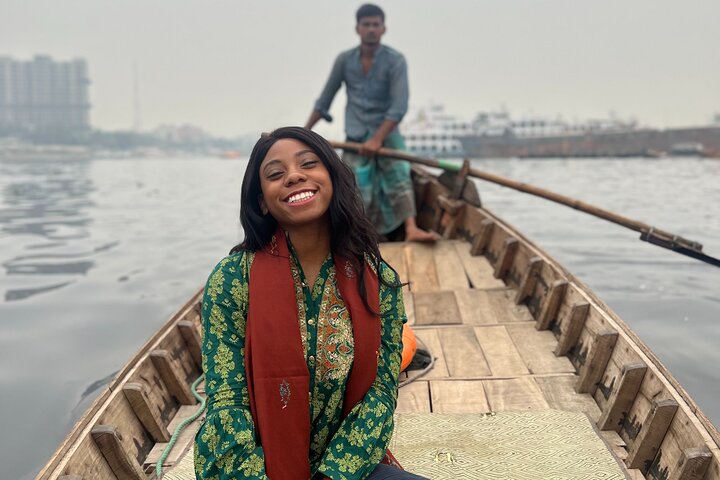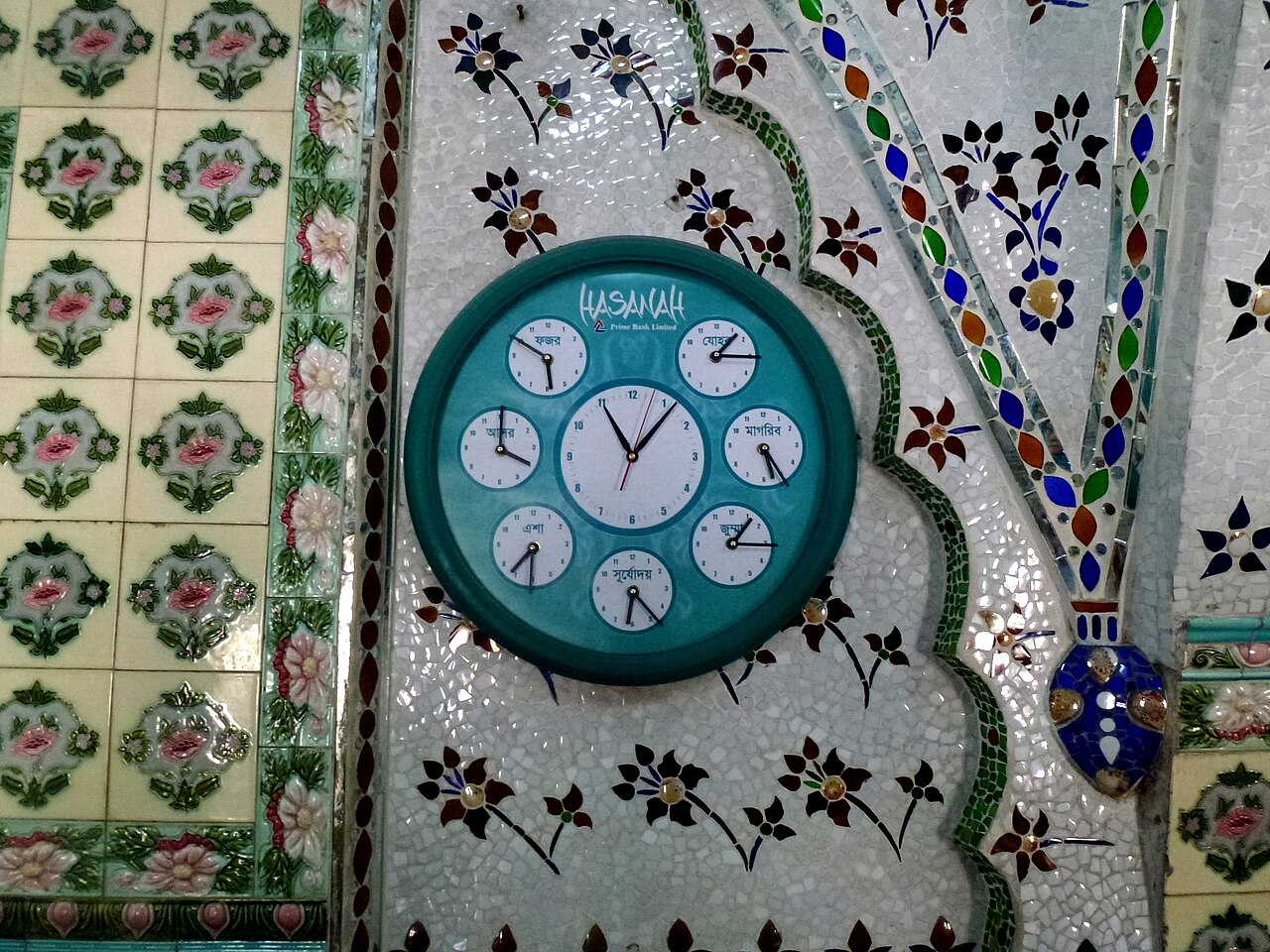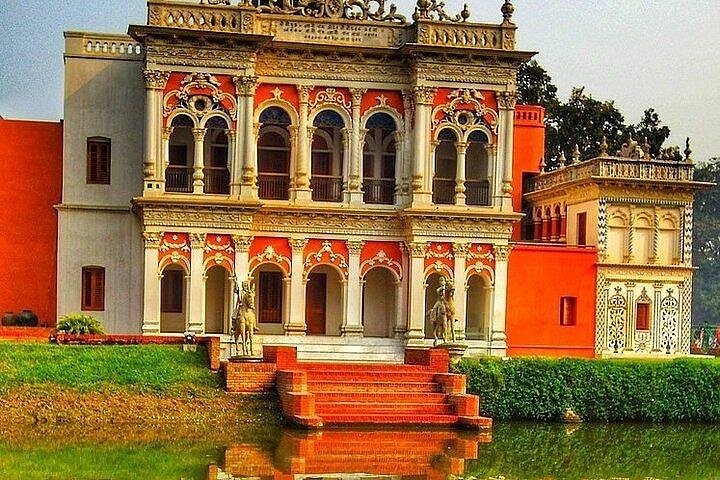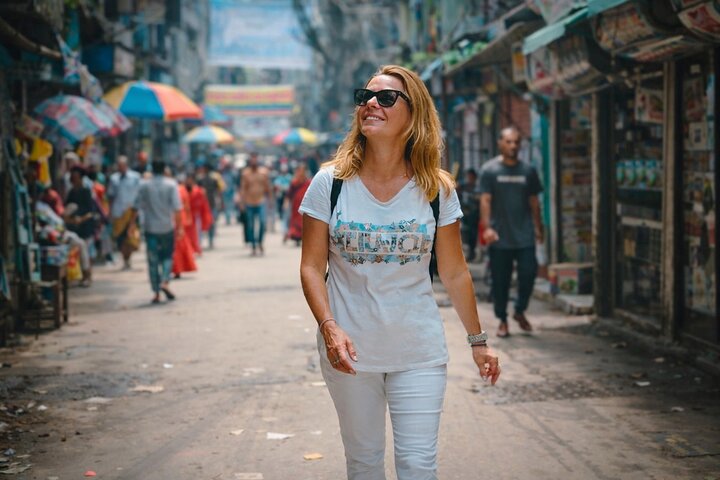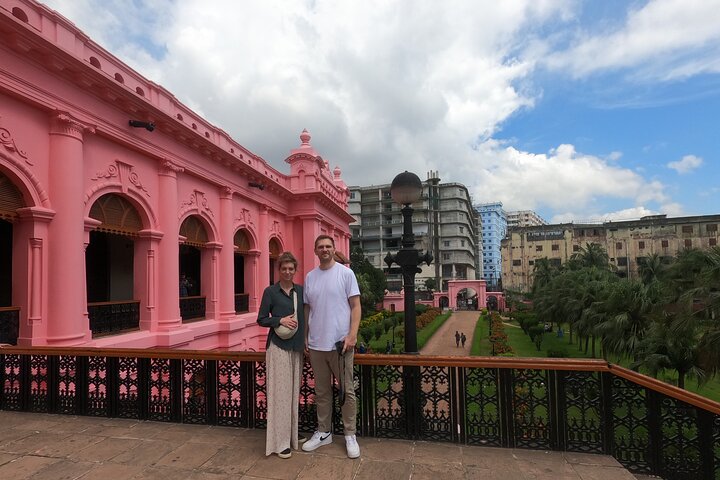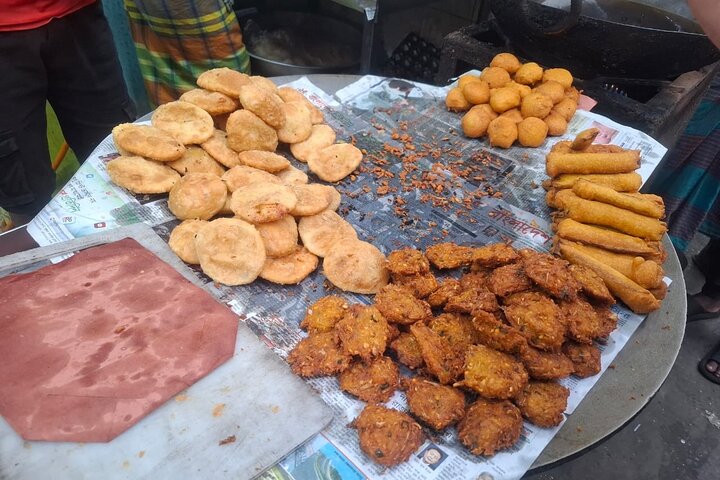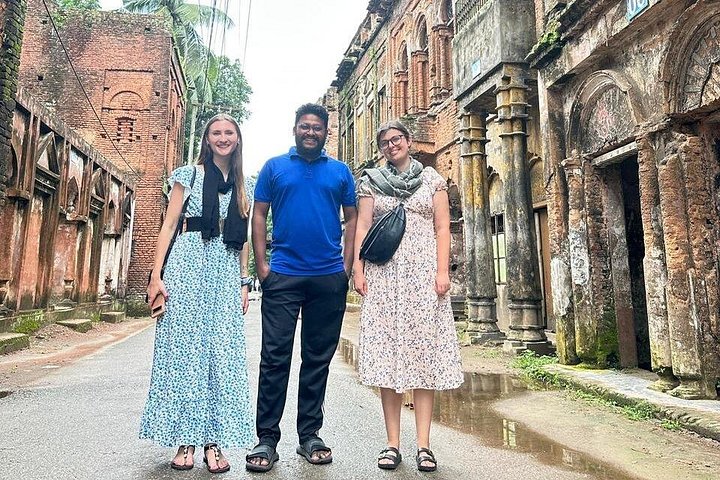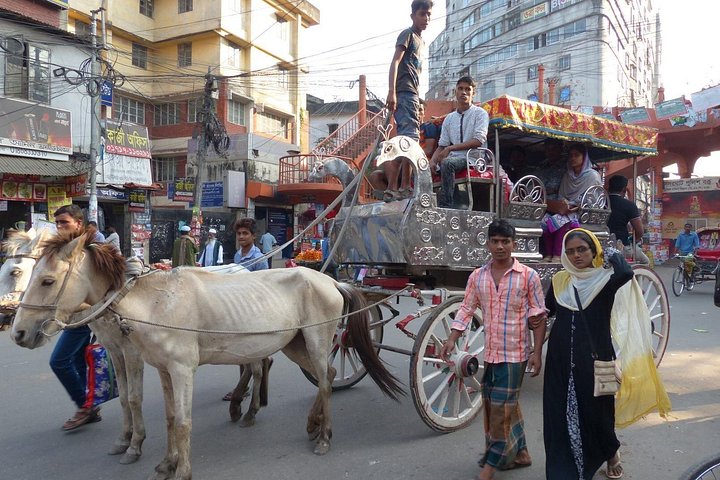
Dhaka is a gift to photographers: dense layers of rickshaws painted with bright art, river ferries, market porters, tea stalls, children playing in alleys and sudden shafts of light cutting through hanging wires. This guided street photography tour is designed to help you capture the city without stumbling into awkward moments. A local guide chooses locations where life is visible and welcoming, makes introductions when needed and explains the etiquette of photographing people in public. You can expect to visit a mix of old-city lanes, river edges and markets, depending on the day's light and conditions. It suits both beginners and experienced photographers, since the guide can adapt to your skill level and equipment. The result is a set of images, and a deeper sense of the city, that you would struggle to produce alone.
Preparation helps. Pack a light kit, with a versatile zoom or a fast prime, and avoid carrying more than you can manage in crowds. A small bag worn in front, a spare battery and memory card, and a lens cloth for dust are enough. Phone photographers will do fine too; the city rewards observation more than gear.
Etiquette matters more than technique. Ask before photographing individuals, smile, show the image on your screen if invited and accept a refusal gracefully. Women and religious sites may call for extra sensitivity, and some workplaces prefer not to be photographed. Your guide will tell you where a camera is welcome. Offering a small tip or sharing prints is appreciated in many situations.
The best light is in the first and last hours of the day, so tours often start early or late, and the heat is easier then too. Wear comfortable, closed shoes and light clothing, carry water and prepare for dust and sweat. Protect your gear from humidity and monsoon rain with a cover or dry bag.
The pace is leisurely, with time to wait for a scene to develop. Consider pairing the tour with a river morning at Sadarghat or an afternoon in Old Dhaka to build a complete photographic itinerary. Many travelers say that the tour turns anxiety about the city into confidence, and the photographs become the most treasured souvenir of the trip.
Ask your guide to help you slow down. The most compelling images often come from waiting by a good background and letting the scene arrive, such as a rickshaw painter at work, a tea seller pouring from a height or a ferryman loading passengers. Review your images with the guide at a tea stop for feedback, and keep a short list of captions or names, since stories are what turn photographs into memories.
Think about what you wear and carry, too. Neutral, modest clothes draw less attention, a small camera bag keeps your hands free and a cloth to wipe dust from your lens will save frames. If you shoot on a phone, clean the lens first and use gridlines to compose, since layers of foreground and background are everywhere. At day's end, back up your photos to the cloud or a drive, so a lost bag cannot take your best images with it.
What to expect
The experience
A guided photography walk through several of Dhaka's most visual locations, with tips on light and etiquette.
Best time
Early morning or late afternoon for the best light.
How long
A few hours; confirm with the operator.
Tips
Travel light, ask before photographing people, protect gear from humidity and carry water.
Quick picks
- Best for
- Photographers of all levels and curious first-timers.
- Families
- Best for teens and adults; the pace and crowds suit older children.
- Couples
- A shared creative outing.
- Pair with
- Sadarghat river scenes and Old Dhaka lanes.
- Time needed
- A few hours.
Good questions
Do I need a professional camera?+
No. A phone or a simple camera works well.
Where does the tour go?+
Typically a mix of old-city lanes, river edges and markets, depending on conditions.
Is it suitable for beginners?+
Yes. The guide adapts to your level.
How do I photograph people politely?+
Ask first, smile and accept a refusal. Your guide will help.
When is the best light?+
Early morning and late afternoon.