Bangladesh has a tropical monsoon climate, and the season shapes almost everything you will do. The short answer is that the cooler, drier months from November to February are the most comfortable for sightseeing. The longer answer depends on what you want to see.
Winter, November to February
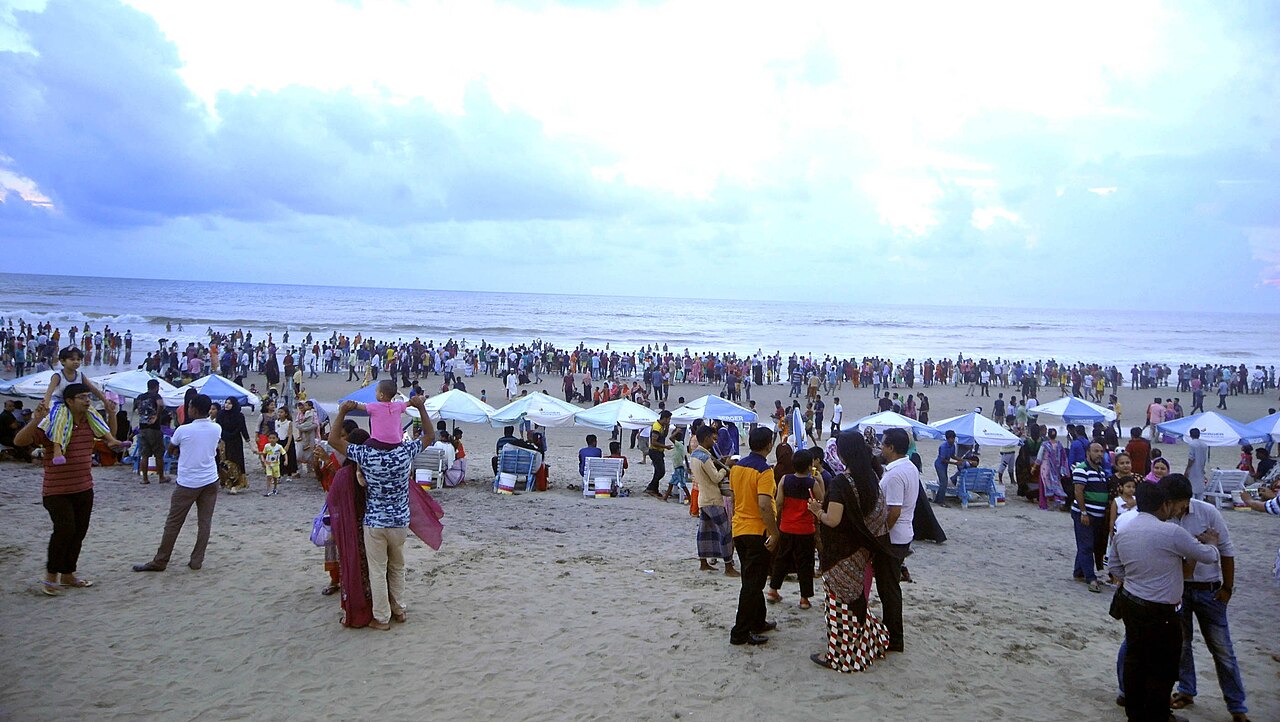
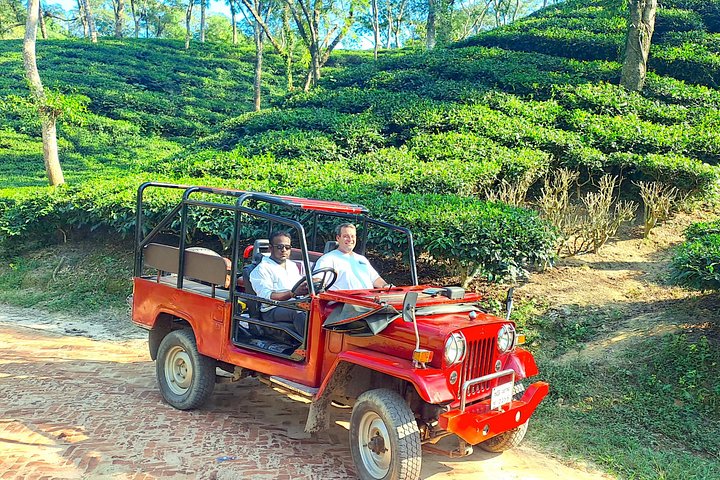
This is the main travel season. Days are warm and mostly dry, nights are cooler and humidity is lower. It is the best time for walking Old Dhaka, visiting Sonargaon, exploring tea gardens in Sreemangal and heading to the beach at Cox's Bazar. Winter mornings can be foggy or hazy, and air quality in the capital is often poor, so consider a mask on bad days. Hotels and flights are busiest, so book early.
Hot season, March to May
Temperatures climb and humidity rises, with afternoon thunderstorms known as nor'westers. Sightseeing is still possible with early starts and long midday breaks, and crowds are lighter. Mangoes and lychees appear toward the end of the season, a pleasant bonus. Plan indoor activities, such as museums, for the hottest hours.
Monsoon, June to September
Heavy rain falls, rivers swell and the countryside turns vividly green. Floating markets and river journeys can be at their liveliest, and prices are often lower. Urban flooding can disrupt travel in Dhaka, and rural roads may be affected. If you travel then, build slack into your schedule and carry a light rain jacket and a dry bag for electronics.
Autumn, October
Humidity eases and skies clear, though some rain can linger. It is a shoulder season with decent weather and fewer visitors, and a good time for the Sundarbans season to begin. Festival dates vary with the lunar and local calendars, so check ahead.
Festivals and holidays
Pohela Boishakh, the Bengali New Year in mid-April, is a joyous occasion with processions, music and street food. Language Movement Day in February and Independence Day in March are national observances with ceremonies at memorials. Eid holidays bring a mass exodus from the capital, leaving Dhaka quiet but many businesses closed and transport booked solid. Ramadan changes opening hours and meal timing, and the iftar markets are a highlight for food lovers. Durga Puja, usually in autumn, is a major Hindu festival with beautiful decorated pandals in Old Dhaka. Dates move each year, so confirm them before you plan.
Day trip timing
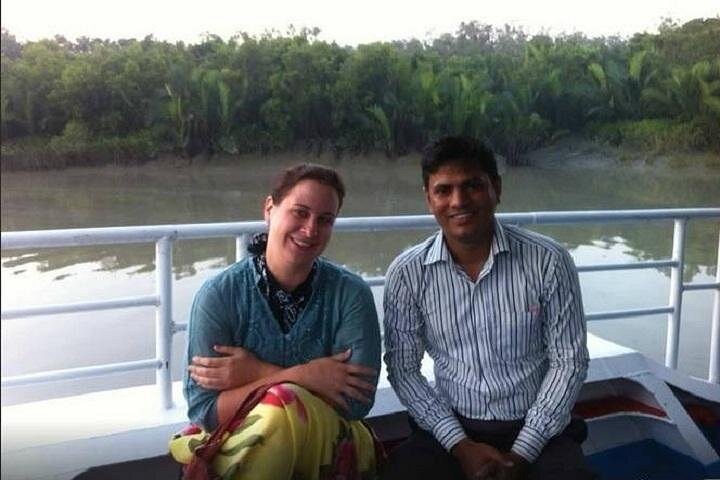
The Sundarbans are usually visited from September to March. Floating markets are best when water levels are high. Tea gardens are green year-round, with misty winter mornings. Cox's Bazar is at its best in winter, while the monsoon brings rough seas. Sonargaon is pleasant in winter and muddy in heavy rain.
Packing by season
In winter bring light layers for evenings and a scarf for mosques. In summer bring breathable cotton, a hat, sunscreen and a compact umbrella. All year, pack insect repellent, a refillable water bottle and comfortable shoes that slip off easily.
Our suggestion
For a first visit, travel in November or February, when the weather is kinder and festivals are less likely to disrupt transport. Check current government travel advice, book hotels and internal transport early and keep a flexible mindset. Dhaka never fully slows down, but it is much easier to love when you are not wilting.
Crowds and prices
Winter is the busiest and most expensive time, and some popular hotels fill early, especially near major holidays. Shoulder periods in March and October can offer better rates and thinner crowds, though the weather is less predictable. If you are flexible, watch the weather forecast a week ahead and book refundable rooms where possible. Domestic flights and long-distance trains also sell out around festivals, so reserve early for trips to the coast, the northeast or the south.
Health and comfort by season
In the monsoon and the hot season, mosquitoes are more active, so use repellent and long sleeves at dusk. In winter, dust and smog can irritate the throat and eyes, and travelers with asthma should carry their medication. Always drink plenty of water, wear sun protection year-round and take midday breaks in the hottest months. If you can only choose one month, pick February: the weather is warm but gentle, the Language Movement observances fill the city with flowers and the countryside is at its clearest.