Dhaka is a city to plan, not to improvise. Distances look short on a map and take hours in traffic, so the best itineraries group sights by district and start early. Three days is enough to meet the main layers: the Mughal and Nawabi old quarter, the river, the modern capital of museums and architecture, and a quiet escape to the medieval capital of Sonargaon. Check current government travel advice before you book, then use this plan as a framework.
Before you arrive
Book a driver or a guided tour for each day. A driver who knows the traffic is worth more than any single attraction, and a guide turns crowded lanes into stories. Arrange a local SIM or eSIM at the airport, download an offline map and a ride-hailing app, and carry small notes for tips, entry fees and rickshaws. Dress modestly in light cotton, with covered shoulders and knees, and bring a scarf for mosques.
Day one: Old Dhaka
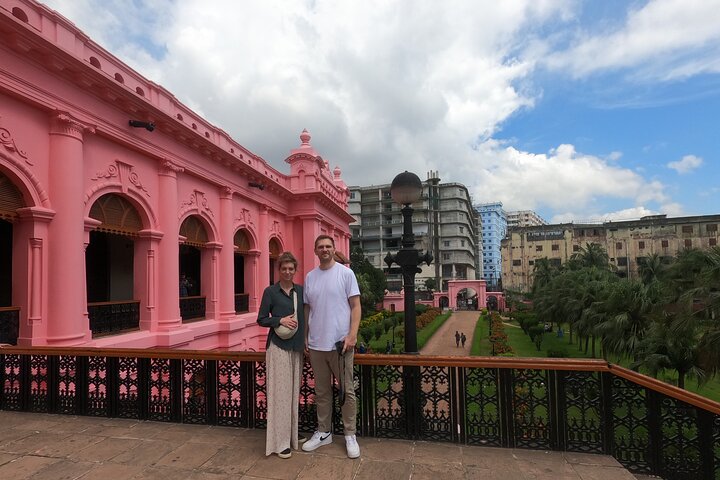
Start by about 8:30, before the heat and the worst traffic. Lalbagh Fort comes first, with its Mughal tomb, mosque and quiet lawns. From there, move through the lanes toward the Pink Palace, Ahsan Manzil, and the river terrace behind it. Walk to the Sadarghat ghats and take a short wooden ferry across the Buriganga for the view back to the old city. Lunch should be a proper Old Dhaka meal, ideally biryani or kebabs with a local guide. In the late afternoon, visit the Star Mosque with its china mosaic and the Armenian Church nearby, then rest. A guided day tour of Old Dhaka handles all the logistics and lets you concentrate on looking.
Day two: museums and modern Dhaka
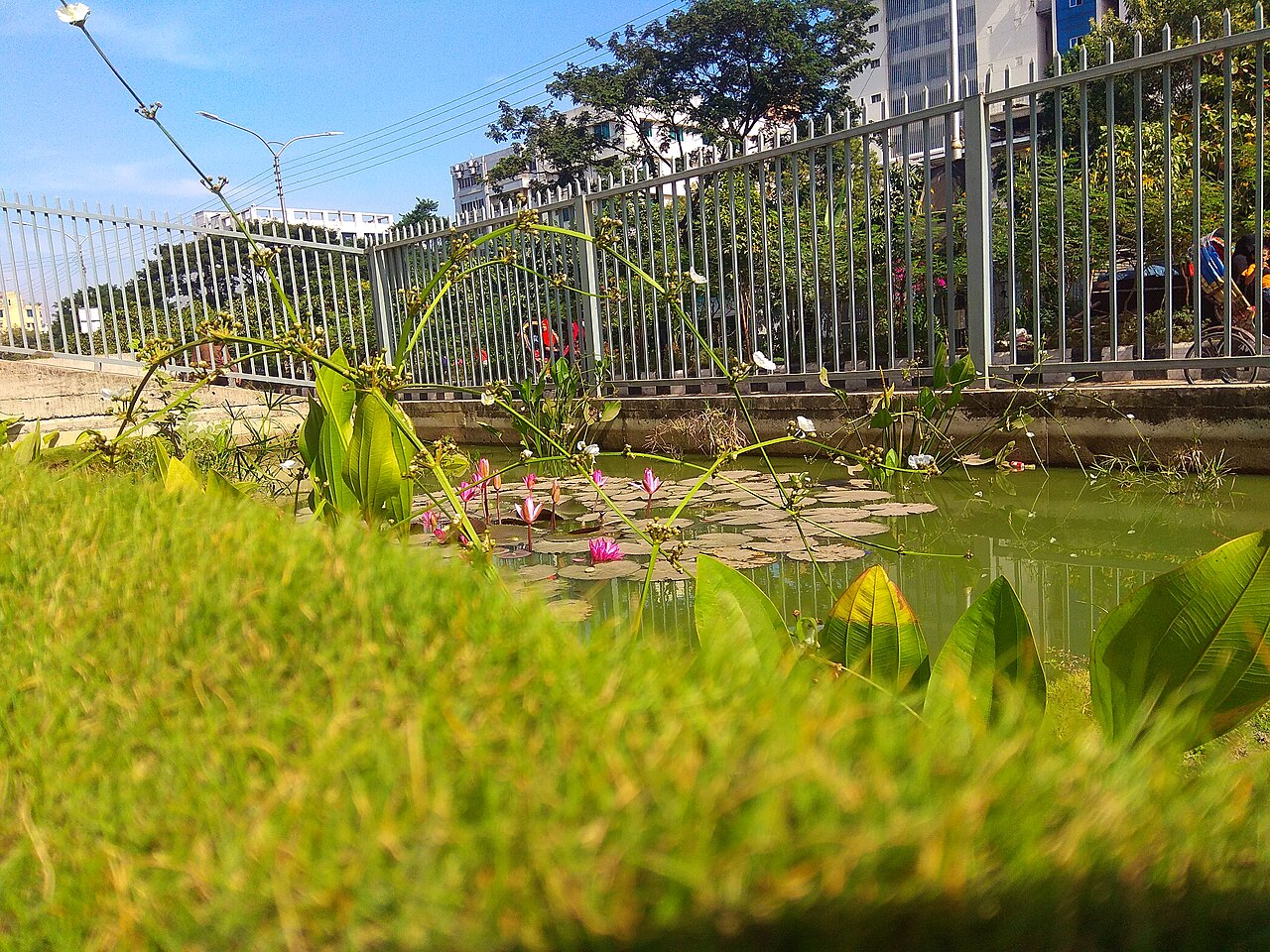
Begin at the National Museum in Shahbag, where two to three hours cover archaeology, sculpture and folk art. Move on to the Liberation War Museum in Agargaon for a sober, essential account of 1971, then to Parliament House, Louis Kahn's concrete masterpiece, in the late afternoon light. If you still have energy, end with an evening walk at Hatirjheel, where families gather as the bridges light up. Dinner in Gulshan or Banani is easy to arrange and gives a different side of the city. Check weekly closing days for museums before you commit, since many close on one day each week.
Day three: Sonargaon
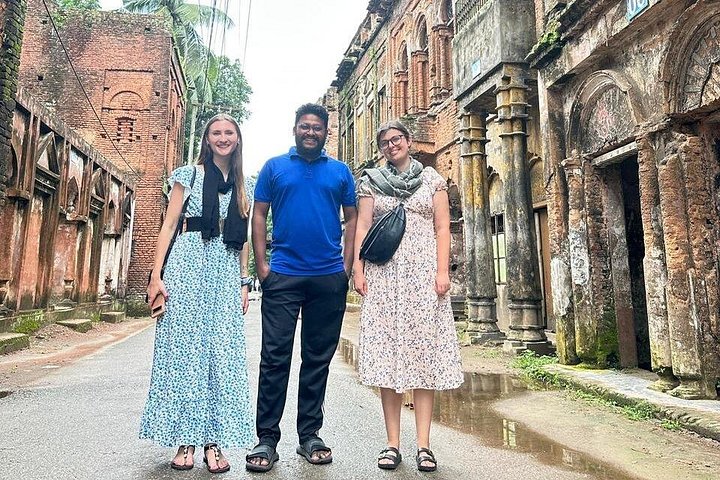
Leave early for the old capital, roughly an hour or two away depending on traffic. The Folk Art and Crafts Museum sits in a landscaped park and holds textiles, pottery and carvings. Panam City, a street of crumbling merchant houses, is the photographic highlight. Many tours add a Jamdani weaving village, where you can watch craftspeople at hand looms, and a village stop for tea. Return to Dhaka by late afternoon to avoid the evening crush.
Adjusting the plan
If you love food, swap part of day two for an Old Dhaka food tour. If you love photography, take a dedicated street photography walk at dawn. If you have a fourth day, consider the tea hills of Sreemangal or an overnight river launch to Barisal. If you have only two days, combine the first two and drop Sonargaon. Always leave a buffer after lunch, because heat and traffic make a rest worthwhile.
Practical rhythm
Start early, rest at midday, go out again in the late afternoon and eat late. Keep bottled water with you and use hand sanitizer before meals. Ask before photographing people, carry a few notes for tips and keep valuables close in crowds. Most travelers find that the city grows on them by the second day, once the noise turns into rhythm. Choose a hotel that suits your plan: central Ramna for heritage days, or Gulshan and Banani for dining and calm evenings.
If it rains or the heat is fierce
Swap outdoor stops for museums and keep the river for a clearer day. A covered rickshaw in a shower is half the fun, but lanes flood quickly, so give yourself extra time. On very hot afternoons, do as locals do: rest indoors from noon to three, drink plenty of water and go out again for the golden hour. A flexible plan with two indoor options per day makes the weather an adjustment rather than a problem.