Dhaka can overwhelm first-timers, but a few habits make it manageable and even joyful. This guide covers transport, etiquette and everyday practicalities. Before you travel, check current government travel advice and stay in touch with your hotel for local updates.
Rickshaws
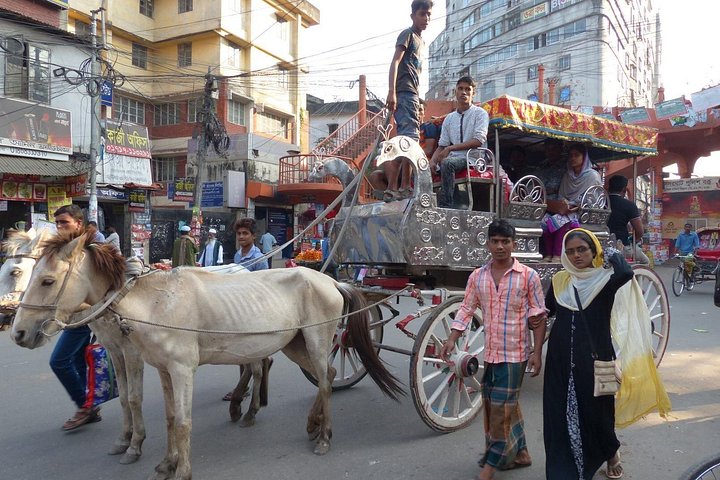
Cycle rickshaws are the soul of the city, painted with bright art and navigating lanes that cars cannot. Use them for short hops in Old Dhaka and neighborhood trips. Agree the fare before you start, carry small notes and have your destination written in Bengali. Some roads restrict rickshaws, so your driver may drop you at a boundary.
Ride-hailing and cars
Ride-hailing apps operate in the city and are convenient for cars, motorbikes and some auto-rickshaws. Many visitors prefer hiring a car and driver for the day through a hotel or a tour operator, which gives predictability and a local navigator. Expect slow traffic at almost any time, and add generous buffers to every plan.
Buses, CNGs and the metro
Local buses are crowded and best avoided by new visitors. CNG auto-rickshaws, green three-wheelers, are cheaper than cars but require bargaining. The metro line serves parts of the city and can bypass road traffic on its route; check the current map and hours if it fits your plans.
Dress and behavior
Dress modestly in lightweight cotton with covered shoulders and knees, especially for women. A scarf is handy for mosques. Remove shoes at religious sites and avoid visiting during prayer times, particularly Friday midday. Use your right hand for eating and giving. Public displays of affection are best avoided. Alcohol is restricted, and rules vary, so ask your hotel.
Photography
Always ask before photographing people, especially women and children, and accept a refusal gracefully. Some government buildings and security areas restrict photos. Drones require permission and are best left at home.
Money
Bangladeshi taka is the currency. Carry small notes for rickshaws, tips and entry fees. ATMs are common in Gulshan and Banani, and cards work at larger hotels and restaurants but rarely elsewhere. Exchange rates and fees vary, so compare options.
Health and comfort
Drink bottled or filtered water, wash your hands often and carry sanitizer. Use insect repellent, especially at dusk, and ask your doctor about vaccinations and malaria or dengue precautions. Air quality can be poor in winter, so a mask may help on bad days. Heat and humidity are real, so rest in the afternoon and keep hydrated.
Connectivity
Local SIM cards and eSIMs are available for visitors, and registration rules apply. Wi-Fi in hotels is generally reliable. Download offline maps and translation apps before you go.
Crowds and personal space
Dhaka is crowded, and personal space is a different idea here. Keep bags in front of you, avoid flashing valuables and stay alert in dense markets. Locals are famously hospitable, and a smile and a few words of Bengali go a long way. Thank you is dhonnobad, and hello is often nomoshkar or assalamu alaikum, depending on the person.
A final tip
Travel with patience. Schedules slip, roads close and rain arrives without warning. A flexible traveler with a good driver and a cold drink will enjoy Dhaka far more than one chasing a perfect timetable.
Safety sense
Dhaka is a city where most interactions with strangers are friendly, but ordinary urban care applies. Keep your phone and wallet secure in crowds, avoid walking alone in unfamiliar areas late at night, and use a hotel-arranged car or a trusted ride-hailing service after dark. Cross roads decisively but cautiously, as traffic does not always stop, and follow locals when crossing busy intersections. If something goes wrong, your hotel can help with local contacts.
Language help
English is understood at hotels, larger restaurants and tour operators, but less so in markets and lanes. Learn a few Bengali words such as thank you, how much and no thank you, and carry your hotel's address written in Bengali. A translation app with offline mode is a useful backup, and a friendly attitude works in every language. Plan arrival and departure days with care too: allow extra time for airport traffic, keep a printed copy of your booking and visa documents and ask your hotel to confirm your pickup the evening before. Calm preparation at the edges of the trip makes everything in between feel easier.