Meissen is where European porcelain began. In the early eighteenth century Augustus the Strong, a passionate collector of Asian porcelain, held the alchemist Johann Friedrich Böttger in Saxony to find the secret of making it, and in 1708 to 1710 Böttger and the scientist Ehrenfried Walther von Tschirnhaus produced the first European hard-paste porcelain. The manufactory was founded in 1710 and at first worked inside the Albrechtsburg castle that crowns the hill above the town, before moving to the Triebisch valley in 1863, where it still stands. Its crossed blue swords, painted under the glaze, are one of the oldest trademarks in the world and the sign that a piece is genuine. A visit today is a chance to see the whole chain of craftsmanship in one building: the Museum of Meissen Art displays centuries of masterpieces from the earliest red stoneware to elaborate figurines and table services, while the show workshop lets you watch modellers, painters and finishers at work. The town itself, with its medieval centre, cathedral and castle, makes a pleasant half-day on its own.
How to visit
Meissen lies on the Elbe about twenty-five kilometres northwest of Dresden, and the suburban S-Bahn line from Dresden runs there in under an hour, which is the easiest way to go. The manufactory is in the Triebisch valley a short walk or bus ride from the old town, and the ticket is an admission ticket for the manufactory. Check what the ticket covers, such as the museum, the show workshop and any demonstrations, and the days and hours of operation, because these vary by season, and note that a separate behind-the-scenes tour in English is also sold if you want a deeper look at the production floor.
What to expect
Allow two hours for the manufactory, and a full day if you add the old town. The museum is the centre of the visit, and its cases reward patience: you will see the first red Böttger stoneware, the elaborate baroque figures and the huge table services made for royal courts, and the contrast between the delicate painting and the sheer technical difficulty of firing large pieces.
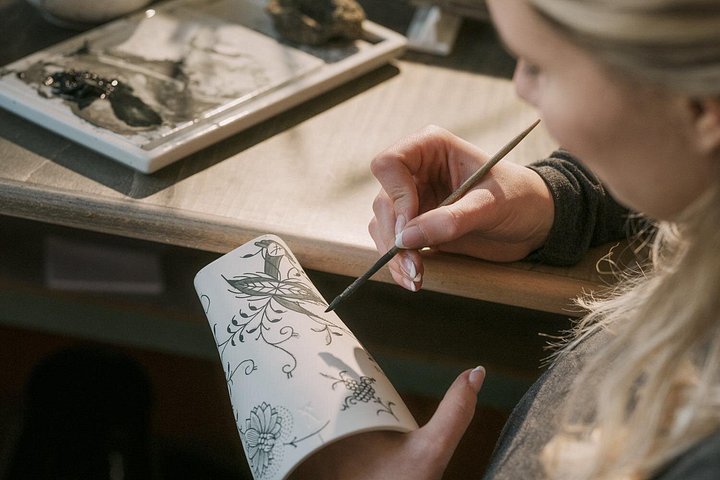
In the workshop, artists paint cobalt blue under the glaze and apply gold by hand, and the explanation of how many pairs of hands each piece passes through makes the prices in the shop easier to understand. The shop and the attached cafe are on site, and the pieces for sale range from small gifts to formal sets.
Making the most of it
Go in the morning so that you have time for the old town afterwards. The Albrechtsburg, the cathedral on the Burgberg and the market square are an easy walk, and the Frauenkirche in Meissen has a carillon of porcelain bells that plays through the day. Wear comfortable shoes for the cobbled streets and the climb to the castle, and bring a bag for the shop.
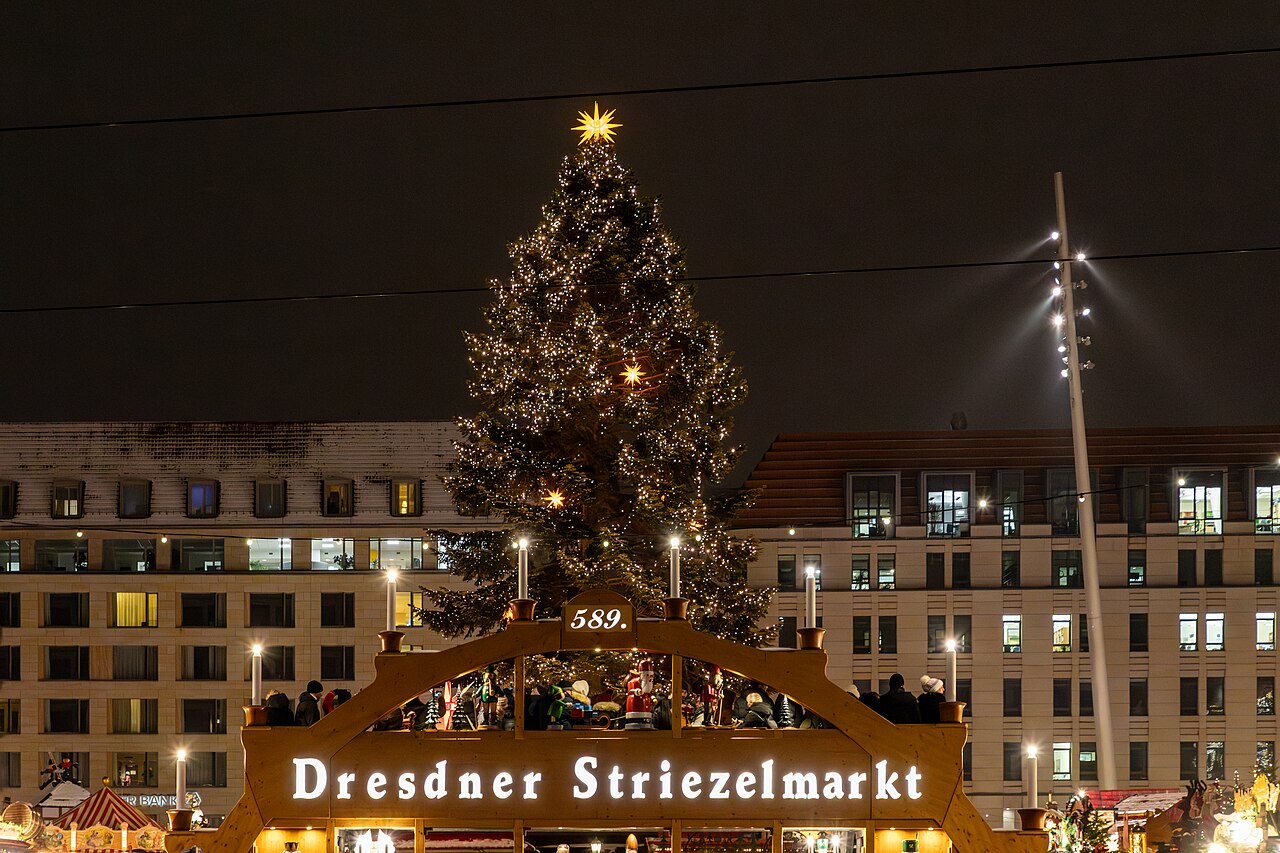
If you are visiting in the Christmas season, check the market dates for Meissen as well as Dresden, and remember that museums and workshops can have changed hours around the holidays. Meissen suits visitors who like crafts, history and a quieter town, and it can be combined with Moritzburg on a second outing.
What to expect
The experience
An admission ticket for the manufactory in Meissen, with a museum of porcelain masterpieces and a show workshop.
Best time
A weekday morning, with time left for the Meissen old town afterwards.
How long
Two hours for the manufactory, a full day with the town.
Tips
Check which parts of the manufactory the ticket covers, take the S-Bahn from Dresden and keep time for the castle hill.
Quick picks
- Best for
- Lovers of crafts, ceramics and history, and anyone wanting a calm day trip from Dresden.
- Families
- Teenagers enjoy the painting demonstrations, but small children may tire in the museum rooms.
- Couples
- A morning at the manufactory followed by lunch in the old town below the castle.
- Pair with
- Moritzburg Castle on another day, or the Albrechtsburg and cathedral in Meissen itself.
- Time needed
- Half a day to a full day with travel.
Good questions
How do I get from Dresden to Meissen?+
The suburban S-Bahn runs along the Elbe from Dresden to Meissen in under an hour. The manufactory is a short walk or bus ride from the old town.
Why is Meissen porcelain famous?+
It was the first hard-paste porcelain made in Europe, produced in Saxony from 1708 to 1710 and manufactured from 1710. The crossed blue swords mark is one of the oldest trademarks in the world.
What does the Meissen ticket include?+
It is an admission ticket for the manufactory. Check the ticket details for the museum, the show workshop and any demonstrations on your date.
Can I see porcelain being made?+
Yes, the show workshop lets you watch modelling, painting and finishing. A separate behind-the-scenes tour in English is also available.
Is Meissen worth a full day?+
It can be. The manufactory takes about two hours, and the Albrechtsburg castle, the cathedral and the old town fill the rest of the day.