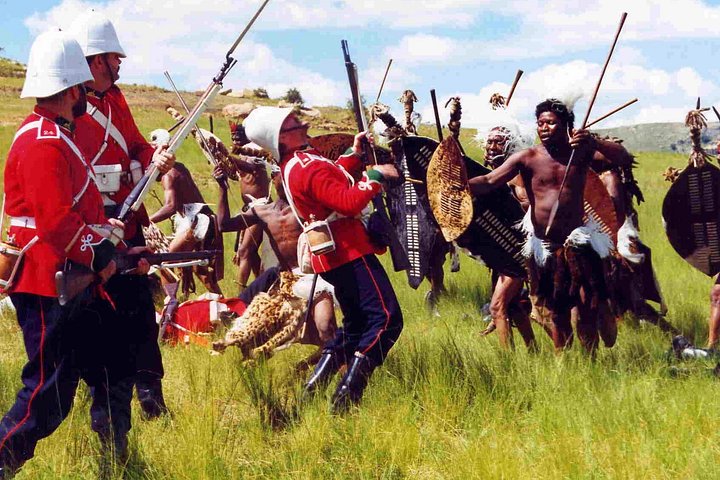
The battlefields of northern KwaZulu-Natal are among the most studied sites of the Anglo-Zulu War of 1879. This day tour visits Isandlwana, Rorke's Drift and Fugitives Drift, three places that tell connected parts of one story. At Isandlwana, a Zulu army overwhelmed a British column in January 1879, and the hill and its memorials still dominate the plain. At Rorke's Drift, a small garrison held a mission station against repeated attacks that night. Fugitives Drift is where survivors of Isandlwana tried to cross the Buffalo River to safety. With a knowledgeable guide, the landscape explains the events far better than a book does. The tour is rated 4.8 from forty reviews, which is a strong result for a long, specialist outing, and it is an excellent choice for visitors who care about history and want to leave the beachfront behind for a day.
What the day is like
The battlefields are a long drive from Durban, so this is a full day with hours on the road in each direction, and the real value is the guide, who explains the sequence of events as you stand where they happened. Expect walking over uneven ground, open country with little shade and memorials that are quiet and moving rather than theme-park displays.
Your guide should be able to describe the Zulu perspective as well as the British one, which gives the day balance. Ask the operator beforehand about the length of the day, the group size and whether lunch and entry fees are covered.
Who it suits
History enthusiasts, military-history readers and anyone curious about the Zulu kingdom will get the most from it. If your companions are not interested in history, a game reserve day is likely to be more rewarding. Older teenagers who have studied the period often find the day compelling. The sites are open and exposed, so wear sturdy shoes, a hat and sunscreen, and carry water. Summer afternoons can be very hot, and winter mornings can be chilly.
Planning it
Because the day is long, book it for a time when you are not rushing to a flight and pair it with a quiet beachfront evening afterwards. Reading a short account of the war beforehand makes the stops more meaningful. It is a respectful experience: these are burial sites and memorials to people on both sides, so follow the guide and the signage. Ask about the pick-up area when you book, and keep in mind that conditions on rural roads and at the sites can change.
Understanding what you see
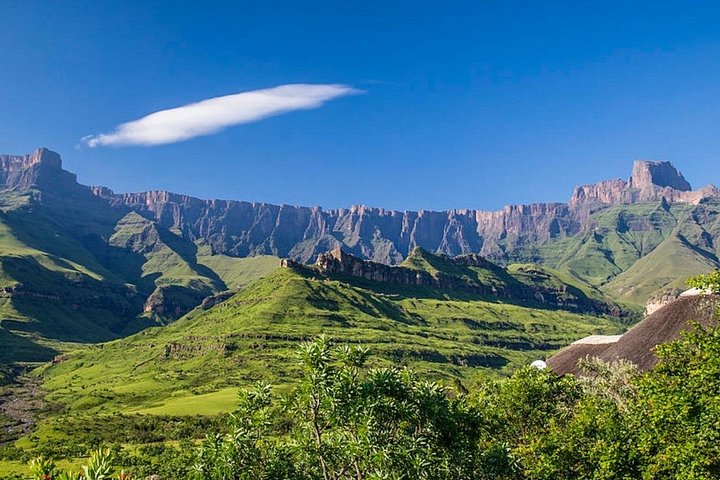
The names of Isandlwana and Rorke's Drift are widely known from books and films, but the real places are quieter and more complex than the popular accounts suggest. The plain at Isandlwana is wide and open, and standing on it makes it clear how a column could be surrounded.
The white memorial cairns mark where soldiers fell, and Zulu memorials honour those who died on the other side. Allow time to reflect, ask your guide for sources to read afterwards and resist the temptation to rush for photographs. It is a day that stays with people long after the beach days have blurred together.
What to expect
The experience
A guided full-day tour to three Anglo-Zulu War sites, with commentary at each stop and a long drive from Durban.
Best time
Cooler months are more comfortable for walking in open country, though the tour runs year-round.
How long
A full day, with several hours of driving and time on foot at each site.
Tips
Wear sturdy shoes, a hat and sunscreen, carry water, and read a short account of the war beforehand.
Quick picks
- Best for
- History enthusiasts and travellers interested in Zulu and colonial history.
- Families
- Best for older children and teenagers who have studied the period, since the day is long.
- Couples
- A thoughtful, absorbing day for two with an interest in history.
- Pair with
- The Culture Walking Tour for the city story, and a free evening on the Golden Mile.
- Time needed
- A full day, with an early start.
Good questions
Which sites does the tour visit?+
Isandlwana, Rorke's Drift and Fugitives Drift, three linked places from the Anglo-Zulu War of 1879.
Is it a long day?+
Yes. The battlefields are a long drive from Durban, so expect hours on the road in each direction.
Is it only about the British side?+
A good guide covers both the Zulu and British perspectives, and it is worth asking the operator about this before you book.
What should I wear?+
Sturdy walking shoes, a hat, sunscreen and layers. The sites are open and exposed, with little shade.
Is it suitable for children?+
It suits older children and teenagers with an interest in history. Younger children may find the long day tiring.