Edmonton is a city of strong seasons, and the right time to visit depends on what you want to do. Summer is the full-service season, winter is cold but surprisingly rewarding, and spring and autumn are quieter shoulder seasons with changeable weather. This guide walks through each, with practical notes on what is open, how busy it is and what to pack.
Summer: June to August
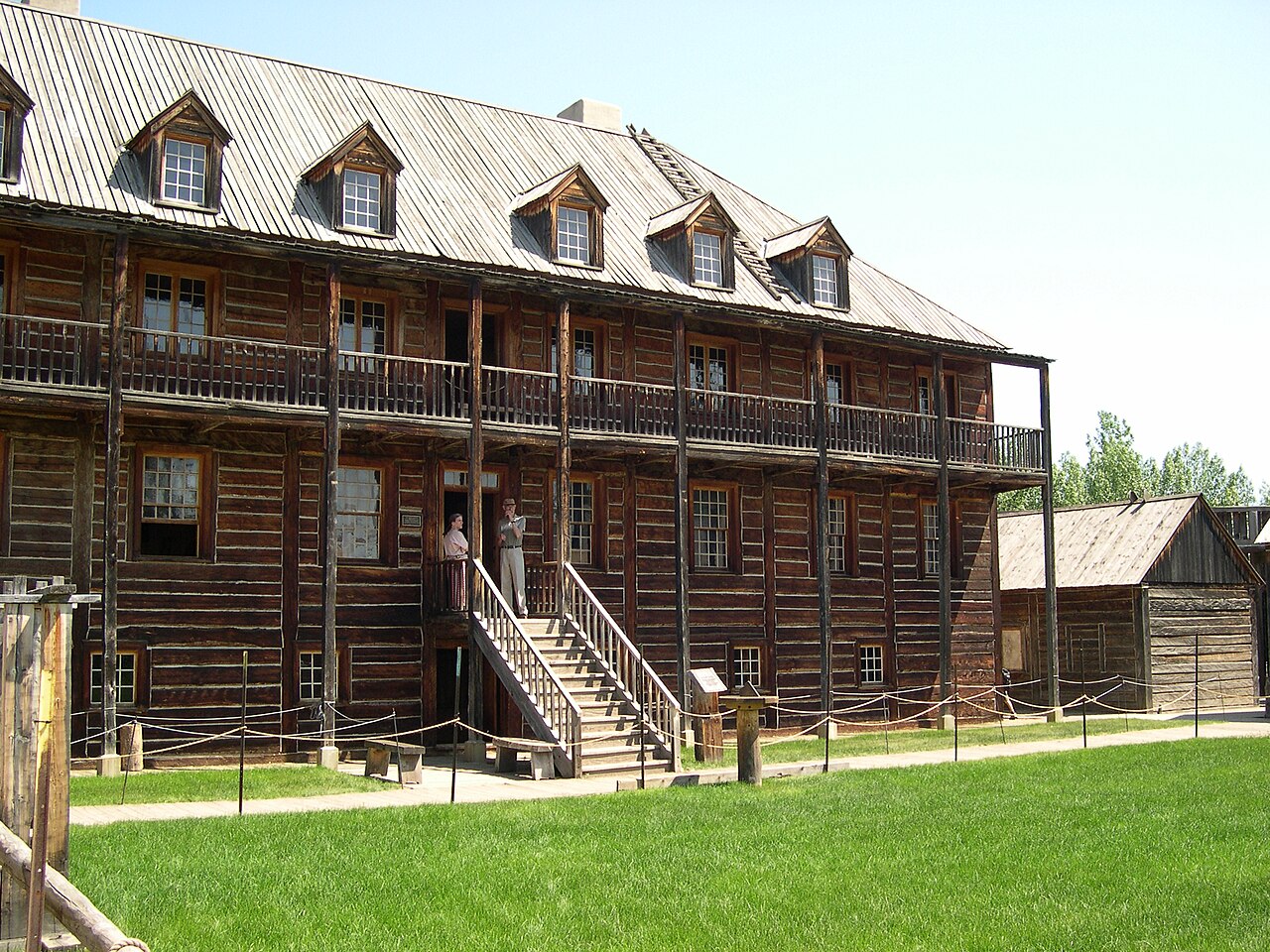
This is the peak season for a reason. Days are long, the river valley is green, patios are open and the city is full of festivals. Fort Edmonton Park runs its full living-history programme, the Valley Zoo operates its miniature train and food outlets, and the Old Strathcona streets come alive. The Fringe Festival in August is the biggest event of the year in Old Strathcona and brings crowds, higher hotel prices and a lively atmosphere. Book accommodation early for August, and expect warm days and cool nights, with the occasional thunderstorm. Pack sun protection, a light rain layer and insect repellent for time in the river valley or Elk Island.
Autumn: September and October
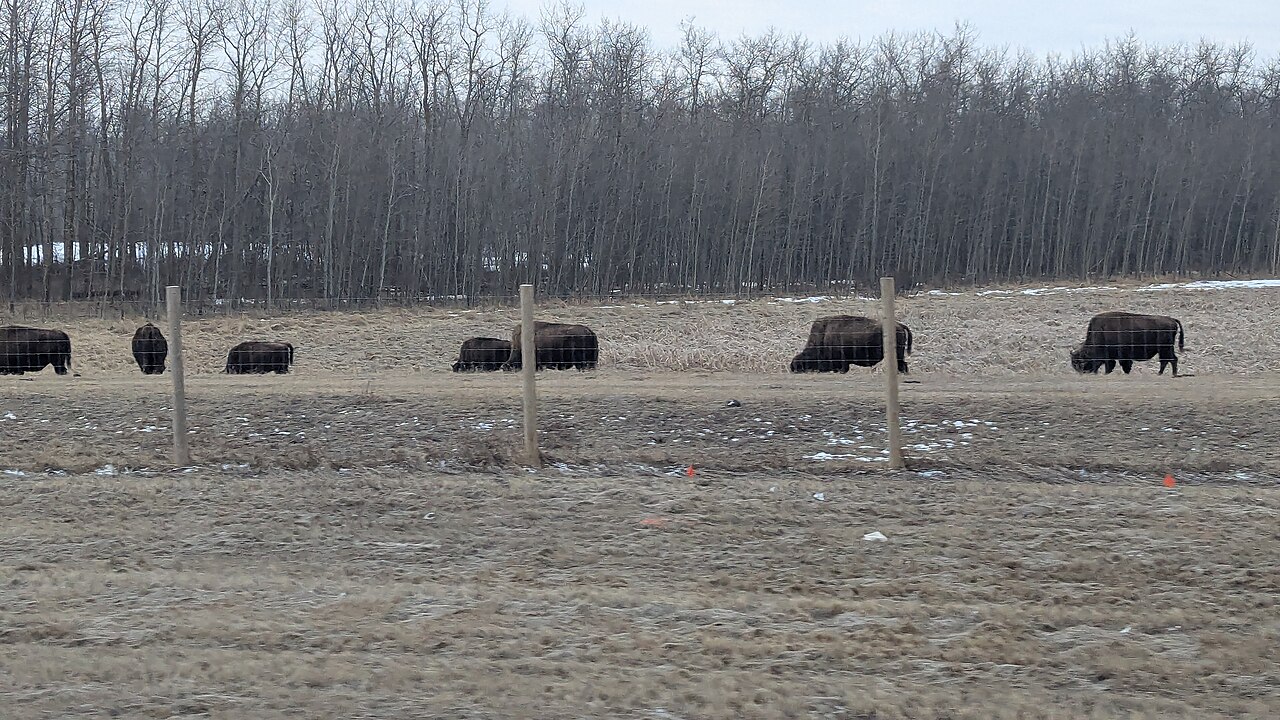
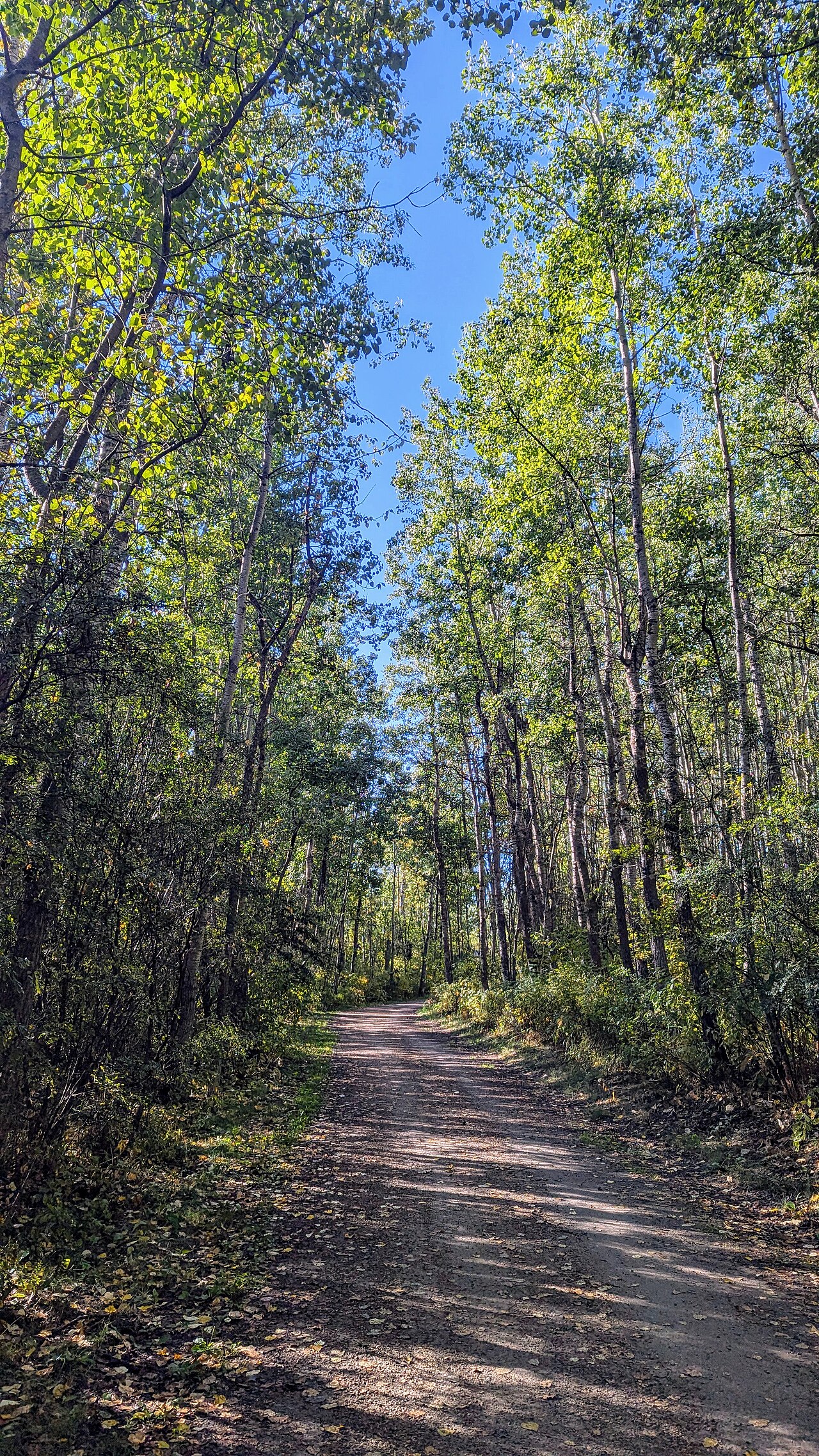
Many locals say this is the best time of year. The aspen turn gold across the river valley and Elk Island, crowds drop, and hotel rates soften once school returns. Fort Edmonton Park moves to a reduced weekend programme from late September, so plan around the schedule. Days are cooler and the first snow can arrive early, so bring layers. It is a good season for hiking, wildlife viewing and museum visits, and for travellers who prefer a quieter pace.
Winter: November to March
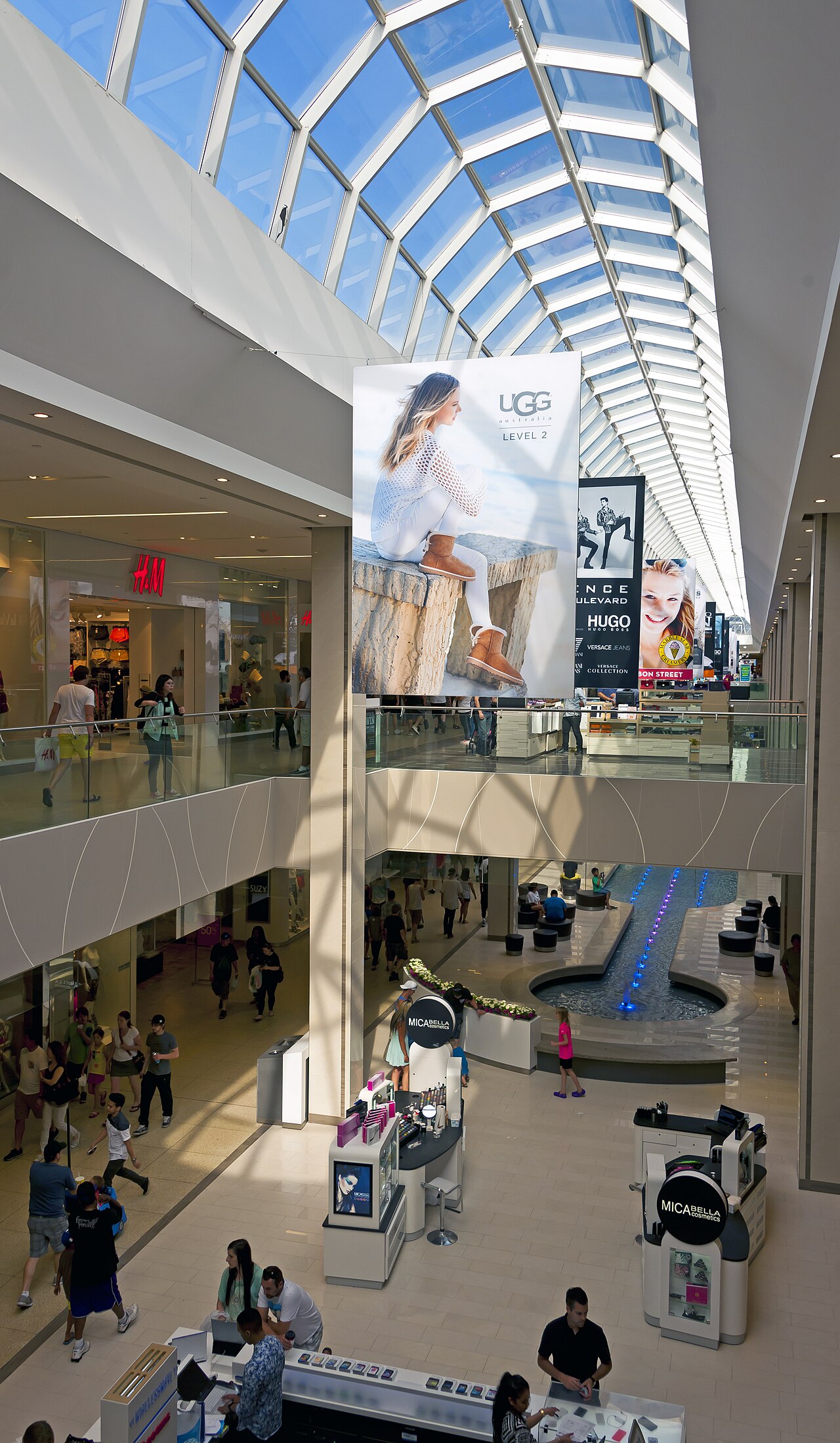
Edmonton winters are cold, dry and often sunny, and the city is designed for them. Dress in thermal layers, insulated boots with grip, a warm hat and mittens, and limit your outdoor sessions to an hour or two at a time. West Edmonton Mall, Galaxyland and World Waterpark are indoors and welcome in any weather, and the Muttart Conservatory is warm and tropical. The river valley is beautiful under snow, with skiing and snowshoeing in the parks and at Elk Island, and the Segway company offers a winter trek. In the weeks around Christmas, evening lights at the Valley Zoo and a Christmas market at Fort Edmonton Park add festive options that need advance tickets. Winter hotel rates are often the lowest of the year, except on hockey nights.
Spring: April and May
Spring is a transition. Snow melts, trails can be muddy, and weather swings from warm sun to wet snow. Fort Edmonton Park returns to its full programme in late spring, and the river valley starts to green up. Birdwatchers enjoy the migration at Elk Island and the wetlands. Prices are moderate, and crowds are light, which makes it good for flexible travellers who do not mind packing for every kind of weather.
Choosing by interest
For festivals and patios, come in summer, especially August. For colour, wildlife and fewer crowds, come in autumn. For hockey, indoor fun and the lowest hotel prices, come in winter, with proper clothing. For quiet and flexibility, come in spring. If you are travelling with young children, the Valley Zoo and Fort Edmonton Park are best in summer, while the mall and the waterpark are good all year.
What to book ahead in any season
Fort Edmonton Park and the Christmas market sell tickets in advance, Zoominescence uses timed entry, tours at the Legislature need registration, and the Royal Alberta Museum is closed on Monday and Tuesday. Hockey games, big concerts and August festivals drive hotel prices up, so reserve those dates early. A rental car helps for Elk Island, and in winter you should check road conditions and carry a full tank.
Where to stay by season
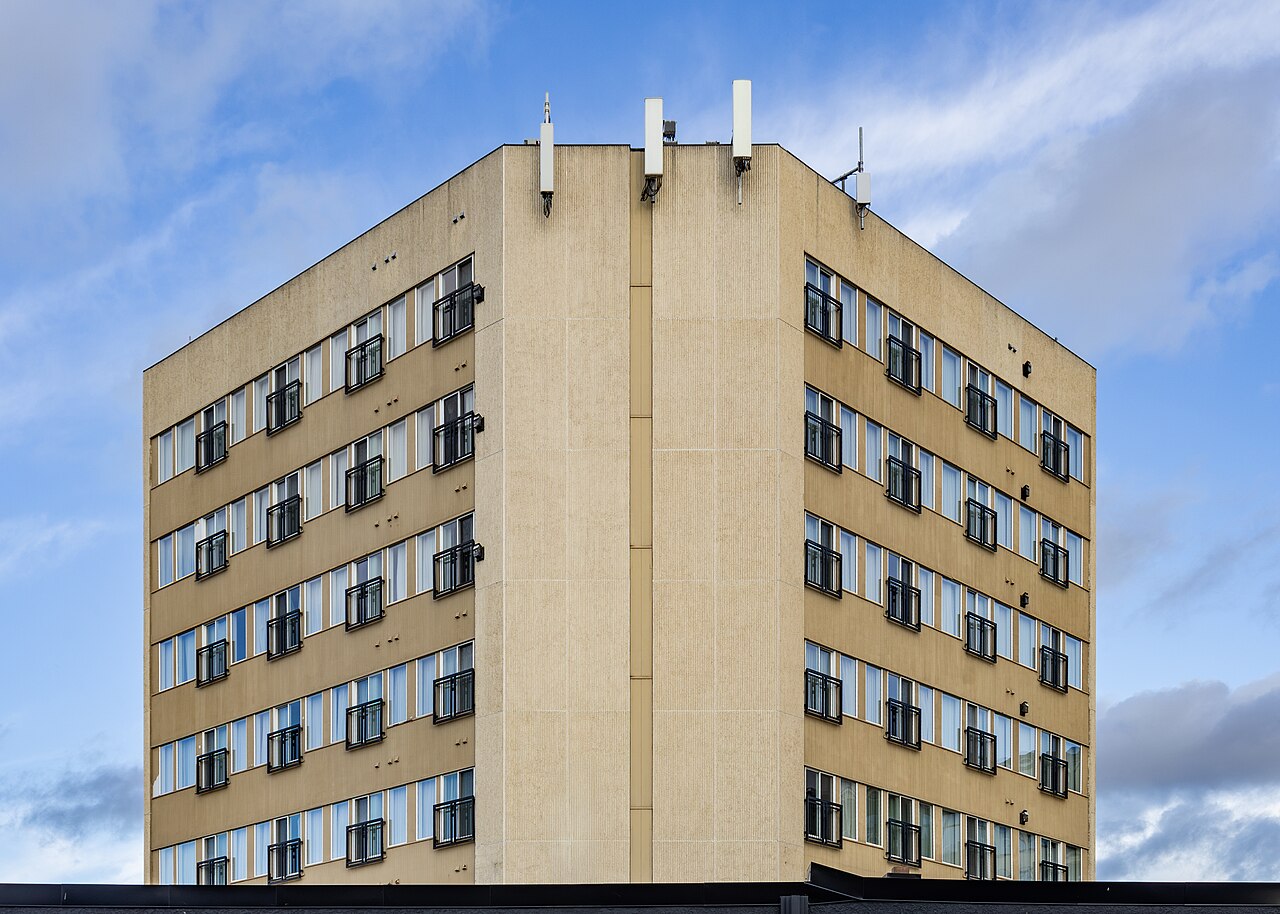
In summer, a downtown or Old Strathcona hotel puts you near festivals and patios, and the Metterra Hotel on Whyte is the obvious choice for the Fringe. In winter, the Fantasyland Hotel inside the mall lets you stay warm all weekend, and a downtown hotel such as the Westin keeps indoor routes and the LRT close. Whatever the season, take the weather seriously, pack layers and enjoy a city that has learned to make the most of every part of the year.