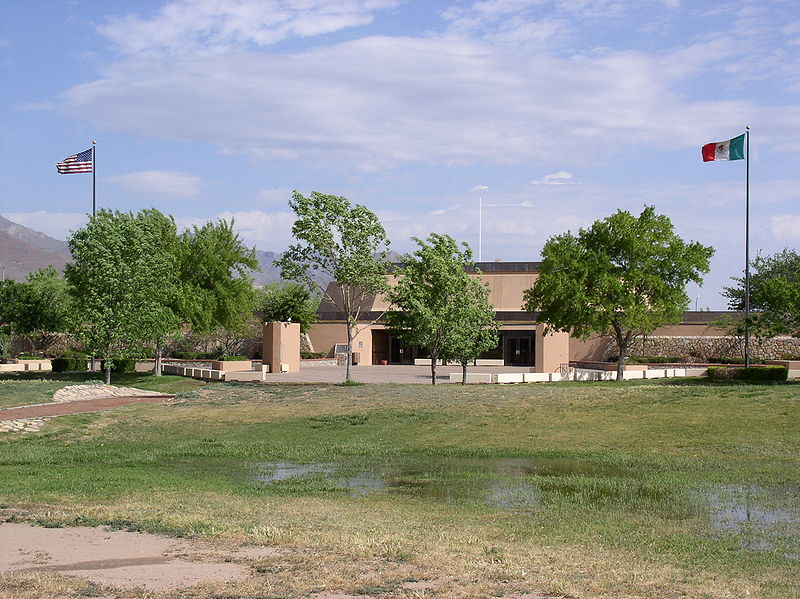
Chamizal National Memorial tells a story that is rare in the history of borders: a long dispute that ended in a negotiated settlement. For nearly a hundred years, a shifting stretch of land along the Rio Grande known as the Chamizal had been claimed by both nations after the river changed course. The dispute was finally resolved in 1963 through a treaty that moved the boundary and transferred land to Mexico, and the memorial in El Paso honors the agreement and the neighboring community that lived through it. The site includes a visitor center with exhibits, a theater, an art gallery and a quiet park of lawns, trees and walking paths. Admission is free, and the staff can explain the history in a way that is relevant to anyone interested in the border today.
The museum exhibits trace the timeline of the dispute, the role of the river, the diplomacy behind the 1963 Chamizal Convention and the effect on families and neighborhoods on both sides of the border. A short film adds context, and rotating art exhibits in the gallery highlight borderland artists and traditions. Outside, the park is a pleasant place to walk, picnic or let children run, with shaded areas and open lawns that are popular with local families in the evening.
Chamizal is also a cultural venue. The Siglo de Oro Drama Festival, held each spring, presents Spanish-language classical theater from the Golden Age, and a summer concert series known as Music Under the Stars brings free live performances to the outdoor stage. Exact dates change each year, so check the National Park Service site or the park's event page before you go.
Other community events, including heritage celebrations, parades and children's activities, make the grounds lively on weekends. If you are visiting for a short time, the combination of exhibits, art and green space offers an easy, low-cost half day.
Practical tips are simple. The memorial sits close to downtown, near the international bridges, so it fits well with a morning downtown and an afternoon in the park. Parking is free, restrooms and water are available, and the visitor center is air-conditioned, which is a real advantage in summer.
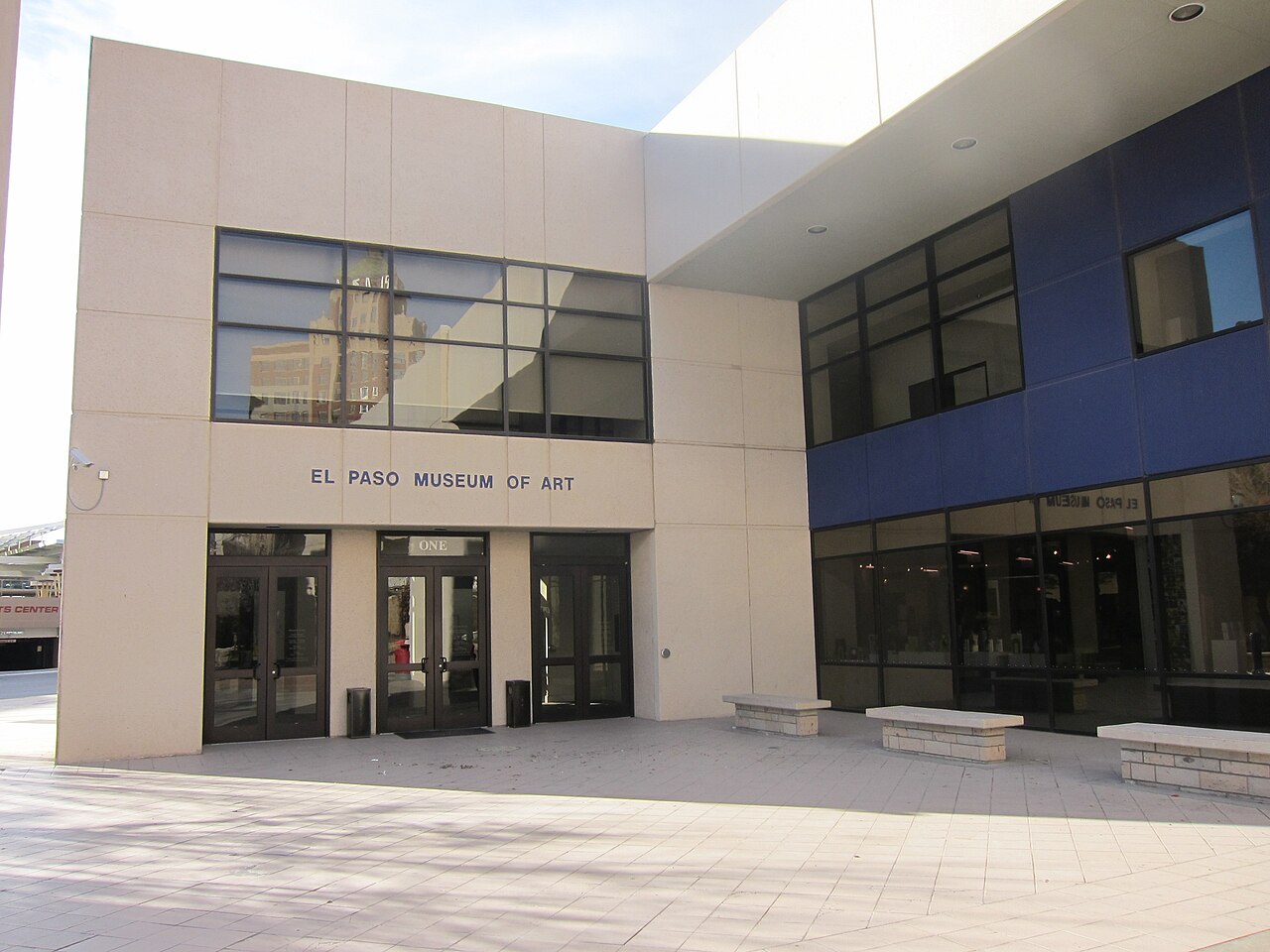
Pair the visit with the El Paso Museum of Art, San Jacinto Plaza or a border-focused tour to build a day that explains both the history and the present of the region. For those who like their history to leave a sense of hope, the Chamizal story is a good one to hear.
Families may like to ask about Junior Ranger activities, which are commonly offered at National Park Service sites and give children a structured way to explore the exhibits. Photographers will find good light on the lawns and the memorial architecture in the late afternoon, and birdwatchers can spot a variety of species around the trees. The memorial also serves as a gathering place for community celebrations, so a visit on a festival day gives a strong sense of how the border region shares its culture.
Check accessibility details on the park's page if you need them. Ask rangers about guided programs, and check whether the theater is showing the introductory film when you arrive. Accessible parking and paths make the site comfortable for visitors of every age and ability.
What to expect
The experience
A free park-service visitor center with exhibits, film, gallery and landscaped grounds, plus seasonal festivals and concerts.
Best time
Spring for the drama festival, summer evenings for concerts, or any weekday for quiet exhibits.
How long
One to three hours, longer for events.
Tips
Check the event calendar, use the air-conditioned museum in summer and bring a blanket for outdoor concerts.
Quick picks
- Best for
- History fans and families looking for a free, shaded stop.
- Families
- Open lawns, a short film and hands-on exhibits keep children engaged.
- Couples
- A summer evening concert on the lawn.
- Pair with
- El Paso Museum of Art, the downtown plaza and a Ciudad Juarez tour.
- Time needed
- One to three hours.
Good questions
What is the Chamizal dispute?+
A boundary disagreement over land along the Rio Grande that lasted about a century and was resolved in 1963 by a treaty between the United States and Mexico.
Is admission free?+
Yes, the memorial is free to enter, though some special events may charge separately.
What events are held here?+
The Siglo de Oro Drama Festival in spring and a summer outdoor concert series are among the best known. Check the park's calendar for dates.
Is it good for children?+
Yes. The grounds are open and shaded, and the exhibits and film are short and accessible.
How long should I stay?+
One to three hours, depending on the exhibits and whether an event is happening.