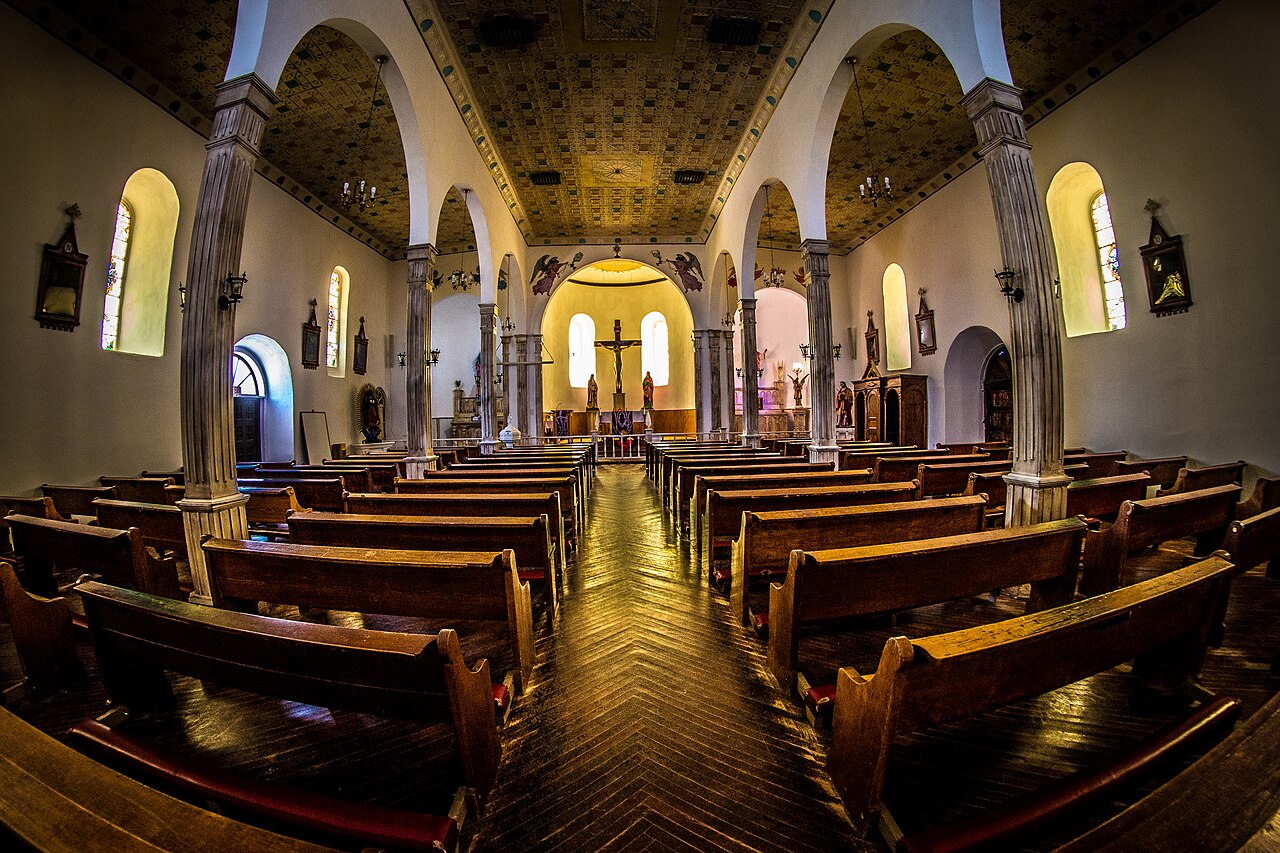
East of downtown, the Mission Trail follows Socorro Road along the Rio Grande through pecan orchards, irrigation ditches and old farming villages, and it ties together three Spanish colonial churches that survive from the days when this valley was the northern frontier of New Spain. Mission Ysleta, Socorro Mission and the Presidio Chapel in San Elizario are all still active parishes, so the visit is not a museum tour but a glimpse of a community that has worshipped in the same places for centuries. The route is only about nine miles end to end, but the three stops are as different from one another as three chapters of the same long story. Mission Ysleta, founded in the 1680s after the Pueblo Revolt sent refugees south, is widely described as the oldest continuously active parish in Texas. Socorro Mission, with its rebuilt adobe walls and carved wooden vigas, honors the same refugee story. The Presidio Chapel at San Elizario recalls the military post that once guarded the river crossing.
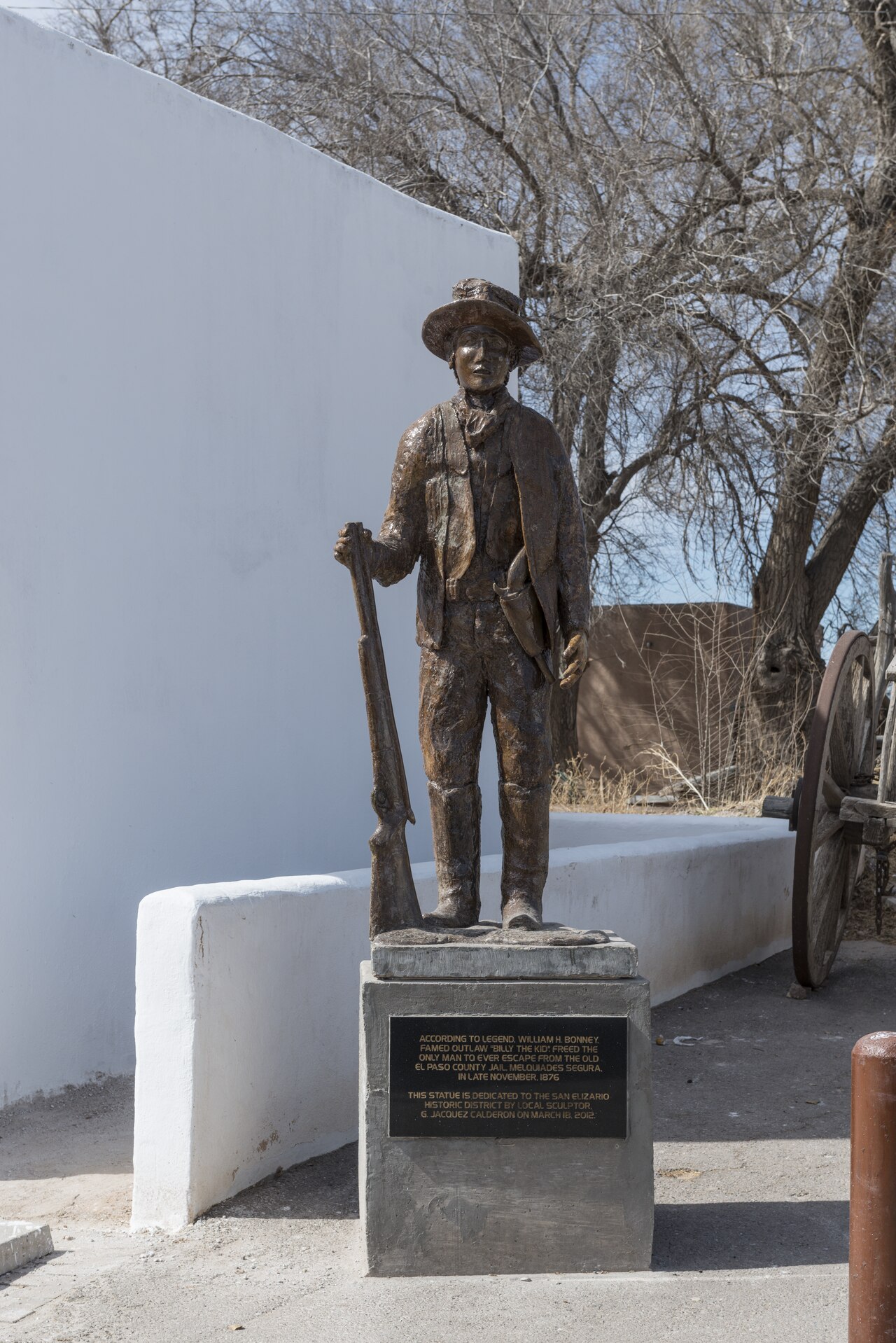
A good Mission Trail day runs west to east. Start at Ysleta in the late morning, when the church is most likely to be open to visitors, and take time in the plaza that surrounds it. Continue along Socorro Road to the Socorro Mission, where the whitewashed facade, the bell tower and the painted interior reward a slower look, then finish in San Elizario, where the plaza, the old jail and a small cluster of galleries and restaurants make a natural lunch stop.
The drive between the churches is itself part of the appeal, with low adobe walls, cottonwoods along the river and glimpses of the Mexican bank across the water.
Etiquette and logistics are straightforward. These are working churches, so dress modestly, speak quietly and avoid entering during services or funerals, and check opening hours with the parish or the visitor bureau, since doors may be closed on some weekdays. Photography rules vary by site. Some visitors join a guided tour, which adds names, dates and stories, while others rent a car and go independently; the road is easy and well marked. Many people combine the trail with Hueco Tanks or with the Tigua cultural sites at Ysleta del Sur Pueblo.
Plan around the weather. In July and August the afternoon heat can make walking uncomfortable, so go early, and in winter the low sun gives warm light on the adobe. Look for the local food stops along the route, where chile rellenos, tamales and fresh tortillas are standard, and consider timing the trip around a parish festival day, which brings music, dancing and food into the plazas.
Most visitors need about half a day for all three missions, and a full day if they add lunch, the Tigua center and the San Elizario galleries. The trail rewards curiosity: ask questions, listen to local guides and notice how the layers of Indigenous, Spanish, Mexican and American history are still visible in the buildings, the street names and the food.
A few extra ideas make the day richer. Bring a small notebook or use your phone to record the dates, names and stories you hear, because the three churches share a long history that is easier to follow when you connect the dots. Look for the old irrigation ditches called acequias that still water the fields beside the road, and notice the cottonwoods and pecan orchards that mark the river valley.
If you enjoy photography, the low sun in the late afternoon gives the adobe walls a warm color that is hard to match at any other time.
What to expect
The experience
A self-guided drive of about nine miles along Socorro Road, stopping at three active mission churches and their plazas.
Best time
Late morning on a weekday or Saturday, outside services; autumn to spring for comfortable weather.
How long
Half a day for the churches, a full day with lunch and side stops.
Tips
Dress modestly, avoid service times, check church opening hours first and carry water in summer.
Quick picks
- Best for
- History lovers and anyone curious about the Spanish borderlands.
- Families
- Short stops, open plazas and good food make it easy with children.
- Couples
- A slow drive with lunch in San Elizario and golden-hour photos of the adobe.
- Pair with
- Hueco Tanks State Park and Ysleta del Sur Pueblo.
- Time needed
- Half a day.
Good questions
What is on the Mission Trail?+
Three Spanish colonial churches in Ysleta, Socorro and San Elizario, all still in use as parishes, linked by a scenic road along the Rio Grande.
Can I go inside the churches?+
Usually yes outside services, but hours vary. Check with the parish or the visitor bureau, and dress respectfully.
How long does it take?+
About half a day for all three stops, longer if you add lunch and the San Elizario galleries.
Do I need a guide?+
No. The route is easy to drive yourself, though guided tours add depth and local stories.
Is it free?+
Visiting the churches and plazas is generally free; donations are welcome, and museums or tours may charge separately.