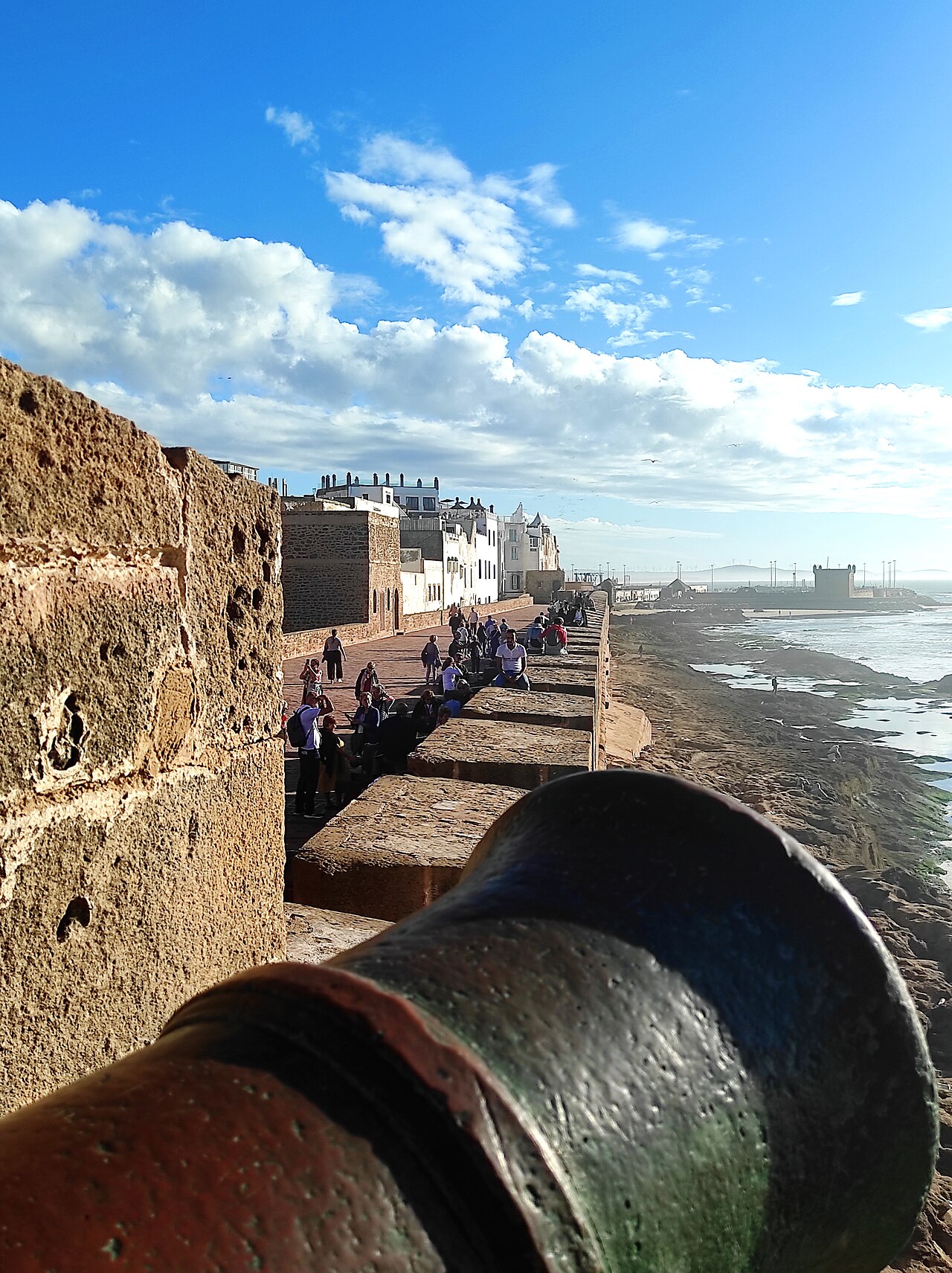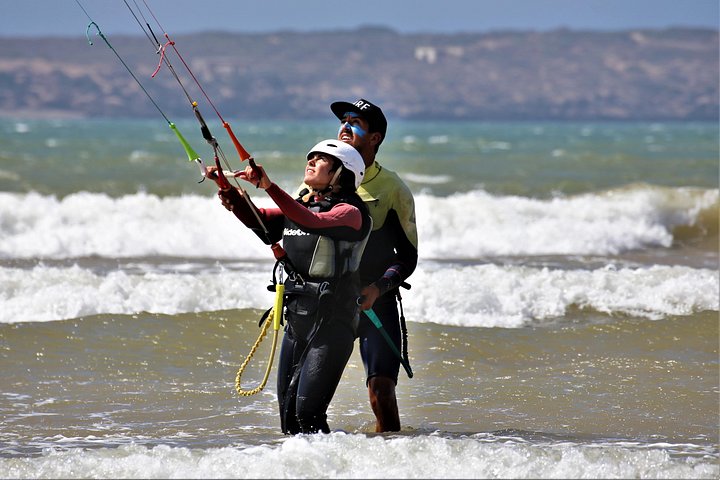
Essaouira is known as the windy city, and the bay is one of Morocco's main wind- and kitesurfing spots. A curved bay with a gently sloping, shallow sandy bottom suits beginners, and the steady northwesterly trade wind means lessons rarely wait on conditions. This pick is an individual kitesurfing lesson, which gives you full attention from an instructor, a good option if you are new to the sport or want to progress quickly. The water is cool, reaching only about twenty degrees in summer, so a wetsuit is provided or needed all year. If you prefer board surfing, local schools run beginner sessions, though the waves around town are more variable than at the surf villages on the coast. Check conditions with your instructor and be flexible about timing.
Wind sports shape the town's identity. The northwesterly trade wind blows throughout the year, stronger in summer, while the swell tends to be bigger in winter. That seasonal pattern matters when planning: summer brings the stronger, more reliable wind that kitesurfers love, while winter offers larger waves for experienced board surfers. For a first lesson, any month works, but wind strength changes through the day, and many instructors prefer afternoons when it builds. Ask for the best slot rather than assuming morning.
A typical first lesson covers safety, reading the wind, handling the kite on the sand and then body-dragging and your first attempts in the water. Expect to be tired and a little sore, and expect to need more than one session before you stand up and ride.
A wetsuit, harness, helmet and kite are normally part of the package, but confirm what is included, and bring sunscreen, a towel and a windproof layer for afterwards. Learn from certified instructors where possible, and follow their guidance about safe areas, since the beaches are shared with swimmers, walkers and camels.
If you want to surf rather than kite, a travel guide recommends heading to Imsouane for board surfing, since conditions in Essaouira itself are better suited to the wind sports. Watching the kites from the beach is also free and enjoyable if you would rather stay on land. Whatever you choose, treat the Atlantic with respect: the wind can change quickly, the water is cool and rescue cover is more limited than at big resort beaches.
What to expect
The experience
A private kitesurfing lesson with an instructor on the shallow, sandy bay, covering safety, kite control and first water starts.
Best time
Afternoons, when the trade wind is usually strongest, but follow your instructor's advice on the day.
How long
Two to three hours including briefing and kit.
Tips
Confirm that equipment is included, bring sunscreen, a towel and a windproof layer, and plan more than one session if you want to ride.
Quick picks
- Best for
- Active travellers and beginners who want to learn kitesurfing in a famously windy bay.
- Families
- Suitable for fit teenagers and adults; check age and weight limits with the operator.
- Couples
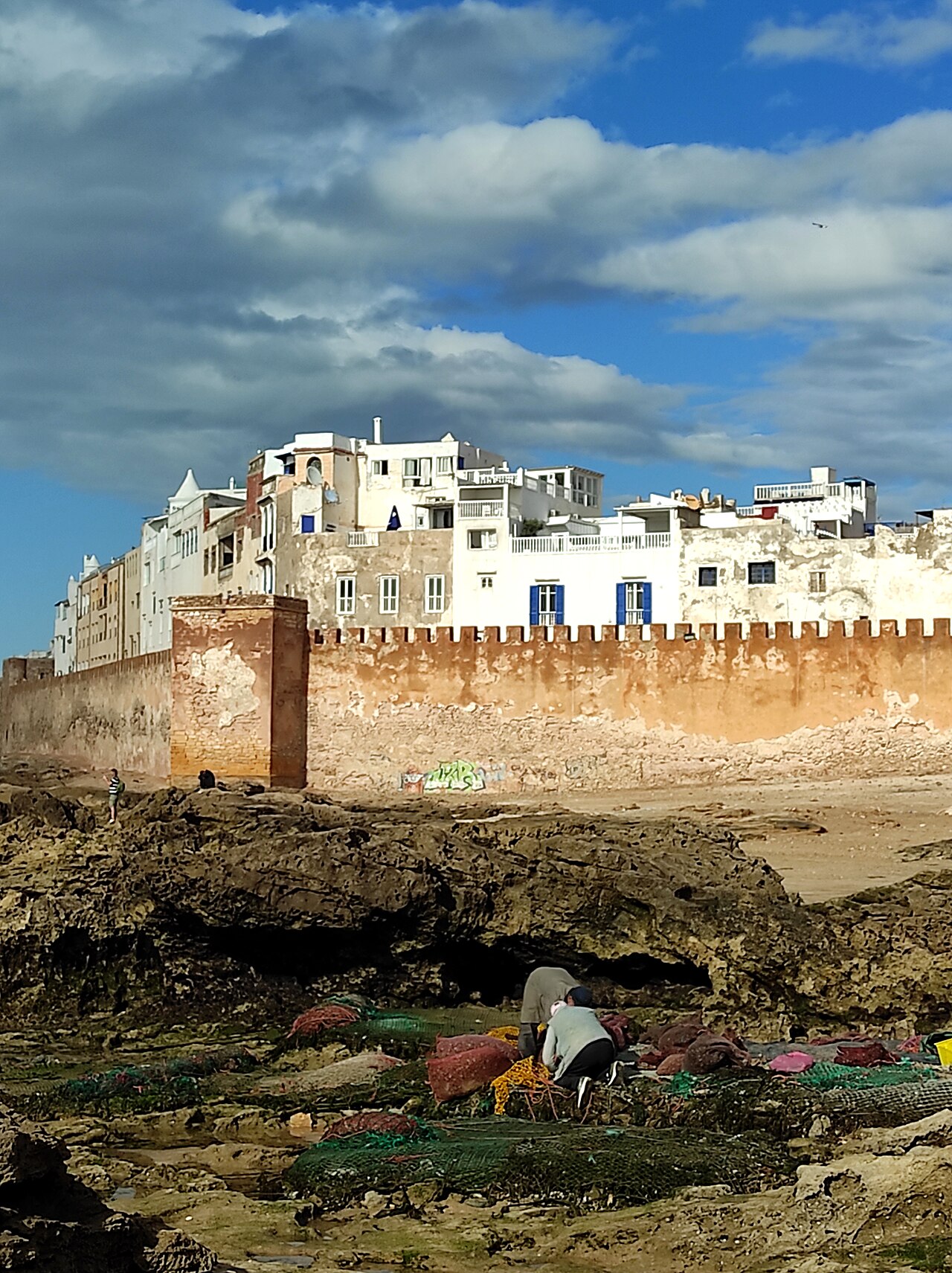
- A fun shared challenge, with a cafe and the ramparts for afterwards.
- Pair with
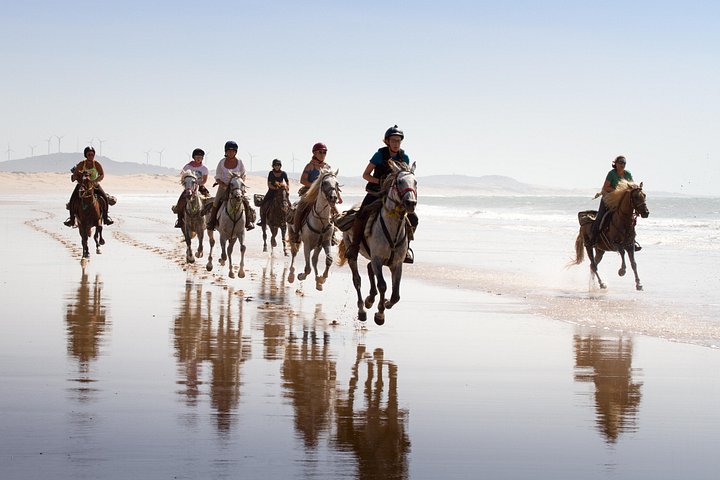
- Pair it with a beach walk or the sunset horse ride.
- Time needed
- Half a day including kit and recovery.
Good questions
Is Essaouira good for learning to kitesurf?+
Yes, the curved bay, shallow sandy bottom and steady trade wind suit beginners. Lessons are still best taken with a qualified instructor.
Do I need to be able to swim?+
Yes, you should be comfortable in the water, and instructors will ask about your swimming ability. Wear the safety kit you are given.
When is the wind strongest?+
The trade wind blows year-round and is stronger in summer, often building through the afternoon. Your instructor will choose the best slot.
Is it good for board surfing?+
Waves are possible, especially in winter, but a travel guide suggests Imsouane for board surfing. Local schools do offer beginner sessions in town.
What is included?+
Packages usually include instruction and kit, but confirm the details when booking. Bring sunscreen and a towel.