The Everglades has two seasons that matter more than the calendar months: a dry season and a wet season. They change the weather, the insects, the wildlife and the cost of your trip. This guide explains each so you can choose the best time for your priorities.
Dry season, roughly November through April
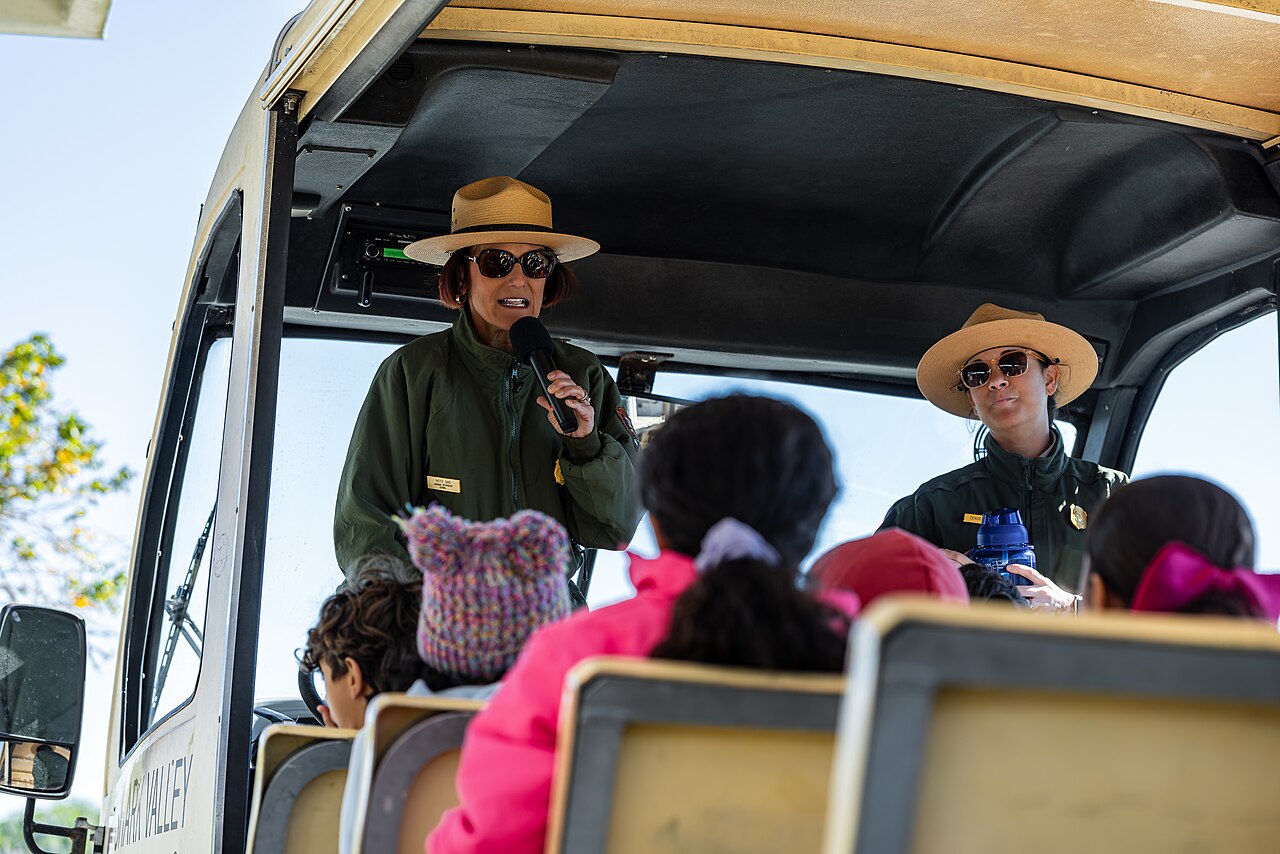
This is the best time for most visitors. Temperatures are mild, humidity drops and rainfall is low. Water levels fall, so fish and wildlife concentrate in the remaining pools and sloughs, which makes alligators, wading birds and turtles easy to spot. The Anhinga Trail and Shark Valley are at their best, ranger programs run more often and boat tours operate on full schedules. The trade-offs are crowds and higher prices, especially on weekends and holidays, so book tram tickets, tours and hotels early.
Wet season, roughly May through October
Heat and humidity rise, afternoon thunderstorms are frequent and the marsh floods. Wildlife spreads out across the wider water, so sightings are less concentrated. Mosquitoes, deer flies and other biting insects increase sharply, especially in shaded areas and at dawn and dusk. Some park services and tours reduce hours or close. On the plus side, crowds thin, prices fall, the landscape turns lush and green, and some wildflowers and rare orchids bloom. If you visit then, go early in the day, use repellent, wear light long sleeves and keep an eye on the weather.
Mosquitoes
They are a real factor, especially in the wet season. The park publishes mosquito conditions, and many visitors find that the worst times are summer evenings and shaded boardwalks. Use repellent, wear long sleeves and avoid still, shaded places at dusk. Airboat rides are relatively insect-free while moving but not when stopped.
Heat
Summer afternoons are hot and humid, and the sun on open marsh is strong all year. Shark Valley's loop road has little shade. Carry water, wear a hat and sunglasses and take breaks in air conditioning when you can.
Wildlife by season
In the dry season, alligators gather at gator holes and along canals, wading birds feed in shrinking pools and migratory birds arrive. In the wet season, alligators nest and hatch, and the ghost orchid blooms at Fakahatchee. Dolphins and manatees appear on the Gulf Coast, with manatees more likely in cooler months. Sightings are never guaranteed in any season.
Storms and hurricanes
Hurricane season runs from June through November, and storms can close roads, boardwalks and services. Check the park website and your tour operator's weather policy before you travel, and read the cancellation terms, since they vary by tour and rate.
Time of day
Early morning is best year-round. The light is soft, animals are active and temperatures are lower. Late afternoon is a good second choice in winter. Midday is hottest and the light is harsh.
Month by month
November and December bring the first cooler air and the start of the busy season. January and February are the peak, with the best weather and the highest prices. March and April are warm and still dry, with wildlife concentrated as water recedes. May is hot and the rains begin. June through September are the stormiest and buggiest months. October is a transition, with lingering humidity and the first signs of the dry season.
Families and seniors
Winter is easier for children and older visitors because heat and insects are less of a problem. If you must travel in summer, choose shorter outings, stay hydrated and plan indoor breaks. Boardwalk trails are easier than long loops in hot weather.
Photographers
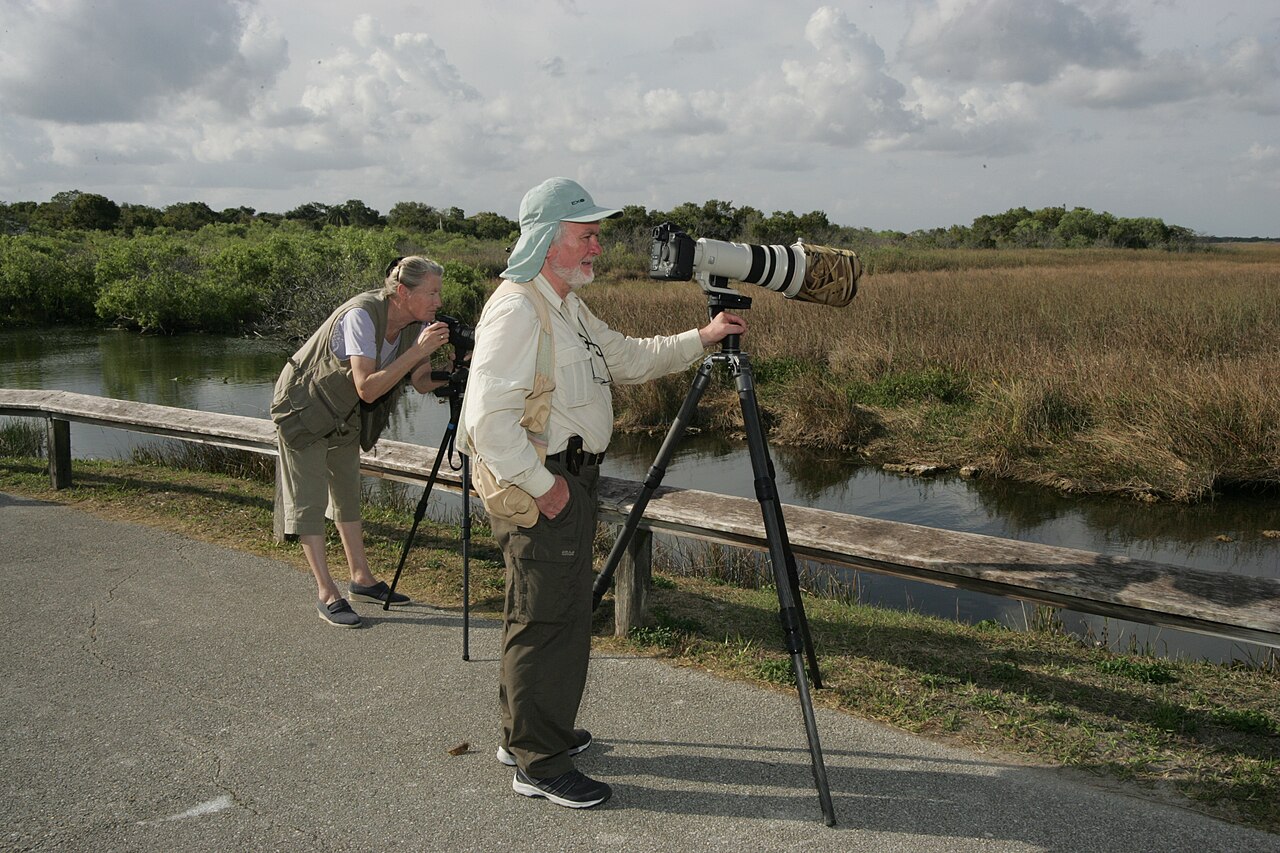
The dry season offers concentrated wildlife and clear skies, and the wet season offers dramatic clouds and green landscapes. Sunrise and the hour before sunset are best in every season. Bring a zoom lens, a rain cover and a microfiber cloth for humidity.
Booking tip
Because the dry season is also peak season, reserve tram tickets, popular tours and hotels well ahead. In the wet season, you can often book at short notice, but check whether specific tours and services are operating. Always read the cancellation terms, since they vary by tour.
Our recommendation
Visit between December and April if you can, book early and start your days at dawn. If you must go in summer, plan flexible days, start early, carry repellent and consider indoor alternatives such as wildlife parks for the hottest hours.