Everglades City sits at the western edge of Everglades National Park, where the road meets the Gulf of Mexico and the mangroves of the Ten Thousand Islands begin. It is a small town of fishing docks and a few restaurants, about two hours from Miami and an hour from Naples. It offers a quieter, more rural Everglades than the Miami and Fort Lauderdale parks, with more water and fewer crowds. This guide explains what to do and how to plan.
The setting
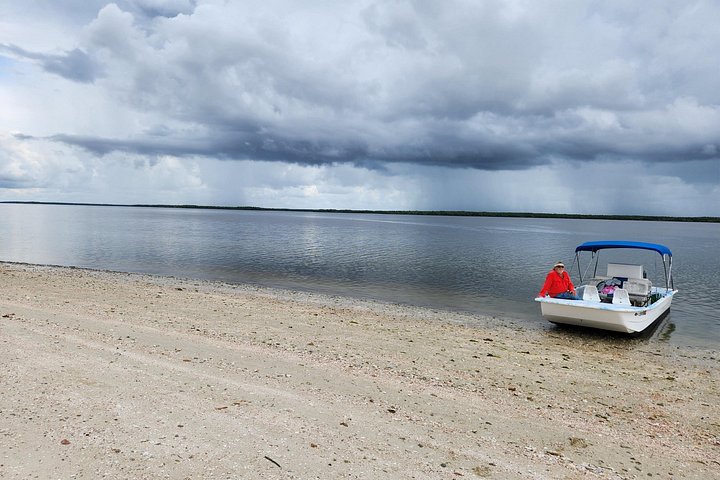
The Ten Thousand Islands are a maze of mangrove islets and oyster bars where fresh water from the Everglades meets the Gulf. The landscape supports dolphins, manatees in cooler months, ospreys, pelicans and many fish. The Gulf Coast Visitor Center of Everglades National Park sits in town, and boat tours leave nearby.
Boat tours
A guided boat trip is the classic way to see the islands. Small-group trips with a naturalist, such as the boat and walking expedition, emphasize learning, while the Ten Thousand Islands tour with a naturalist walk gives a broader view with a stop on land. Dolphins are common and sightings are never guaranteed.
Kayaking
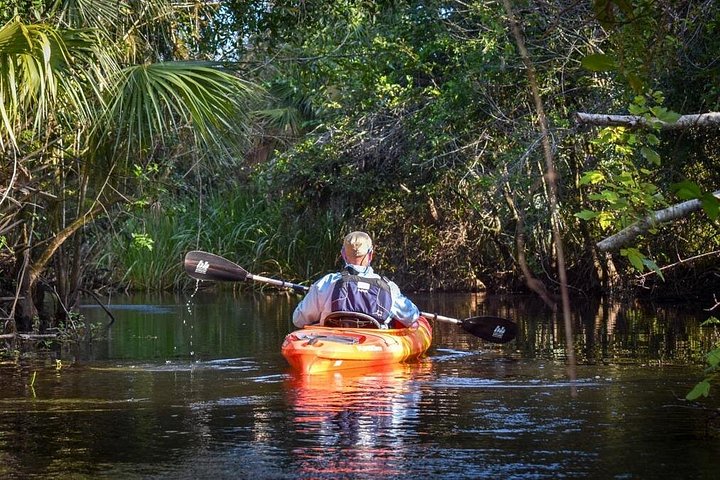
A guided paddle through mangrove tunnels is the quietest way to explore. Beginners are usually welcome on calm routes. Bring quick-dry clothes, a hat, water and a dry bag, and expect to follow the guide's advice on tides.
Airboat rides
Everglades City airboat tours, such as Captain Jacks, cross prairie and mangrove tunnels and feel less commercial than the big parks. Check the operator's page for current tours, and choose the dry season for the best chance of seeing alligators.
Eating
Everglades City is known for seafood, including stone crab in season, which typically runs from mid-October to early May. Restaurants are casual and many sit on the water. Plan dinner early in the quiet months, since hours can be short.
Where to stay
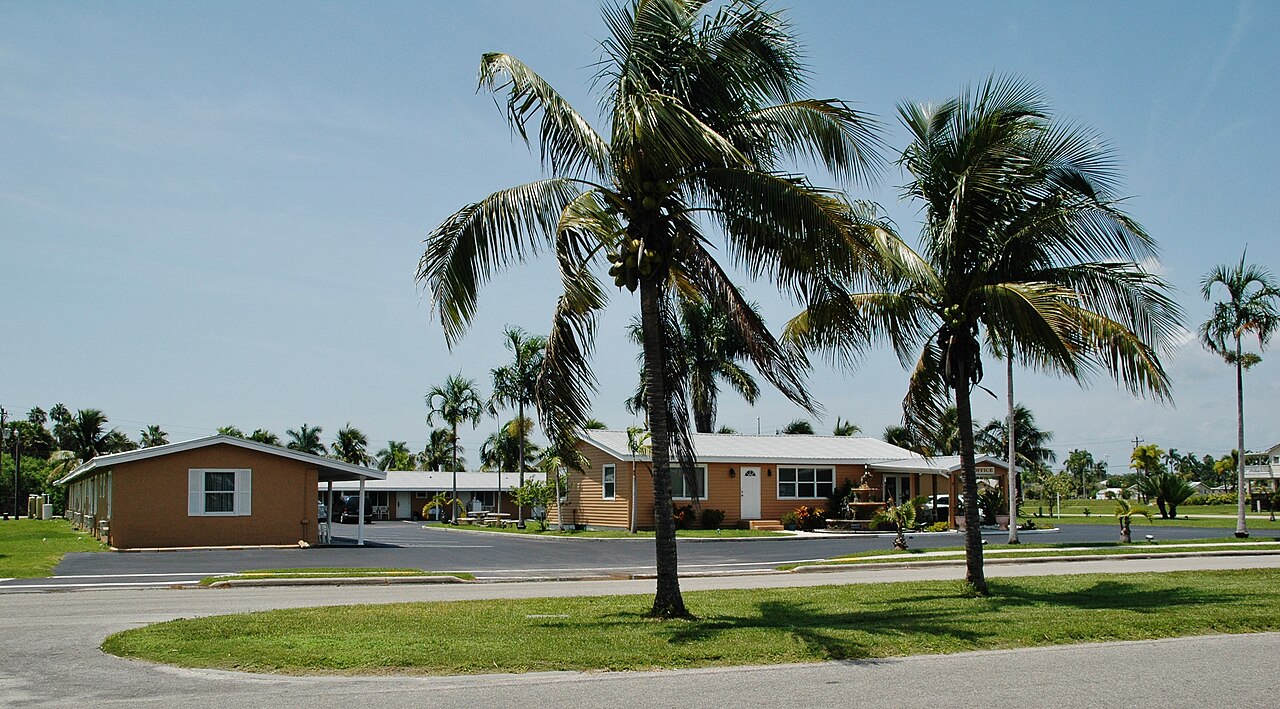
The historic Ivey House Inn is the most atmospheric option, and the Everglades City Motel is a simple, budget-friendly alternative. Both put you minutes from the boat ramps. Confirm seasonal operating dates, since schedules can vary.
The Tamiami Trail
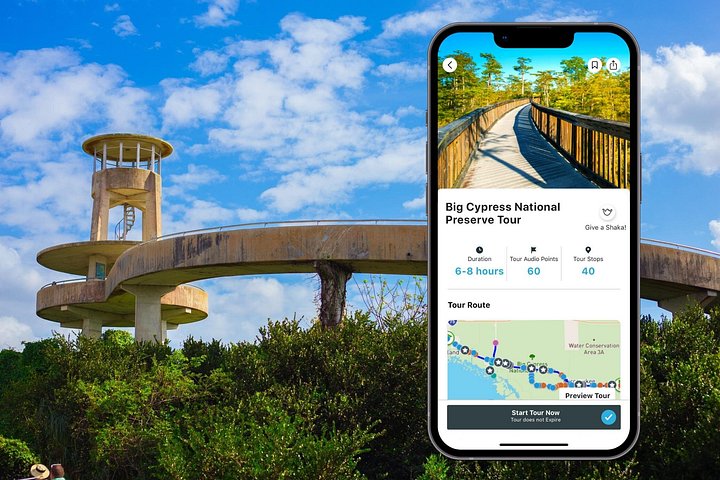
Everglades City pairs well with other stops on US 41. The Oasis Visitor Center and boardwalk in Big Cypress National Preserve are a short drive away, the Fakahatchee boardwalk is nearby, and Clyde Butcher's gallery is on the road. Together they make a full day on the western Trail.
When to go
Winter and early spring, roughly November through April, bring cooler weather, less humidity and concentrated wildlife. Summer is hot, buggy and stormy, and some services reduce hours. Book early for winter weekends.
How long to stay
A day trip from Naples or Marco Island is easy. From Miami the round trip is long, so many visitors stay one night and start early on the water. Two nights allow a boat trip, a kayak tour and a drive along the Trail without rushing, and give you time to enjoy the quiet town in the evening.
History in a paragraph
The town grew in the 1920s as a base for road building and for the development company that shaped the county, and later became a center for fishing and, for a time, illicit trade. Calusa people lived along this coast for thousands of years before that, building shell mounds on the islands. Learning even a little of this history gives the quiet waterways more weight.
Wildlife to look for
Ospreys nest on channel markers, brown pelicans dive for fish and roseate spoonbills feed in shallow bays in the cooler months. Bottlenose dolphins are common in the open channels, and manatees visit warmer pockets in winter. In the mangroves, look for crabs on the roots, and small fish in the shallows. Bring binoculars if you have them.
What to bring
Sun protection, polarized sunglasses, repellent, water and a dry bag for phones and cameras. Wear quick-dry clothing and shoes that can get wet. Carry cash for small businesses that may not take cards, and download maps before you drive, since coverage can be patchy.
Practical tips
Fuel up before the drive, bring water and repellent, and expect limited phone coverage. Wear sun protection and closed shoes. Check the cancellation and weather terms for tours, since policies vary.